

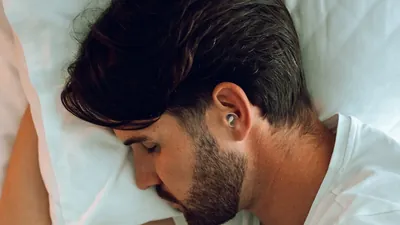
 Sleeping
 Concerts
 Motorcycle
 Swimming
 Work
 Kids
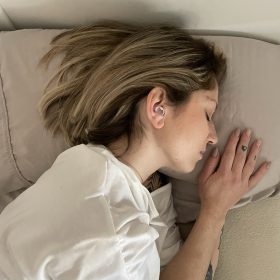

 On stage
 In the studio
 Rehearsals
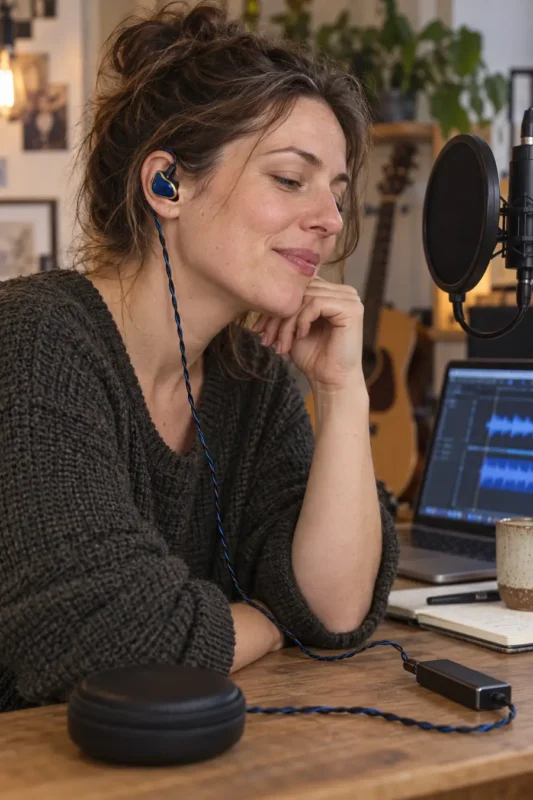 Writing music
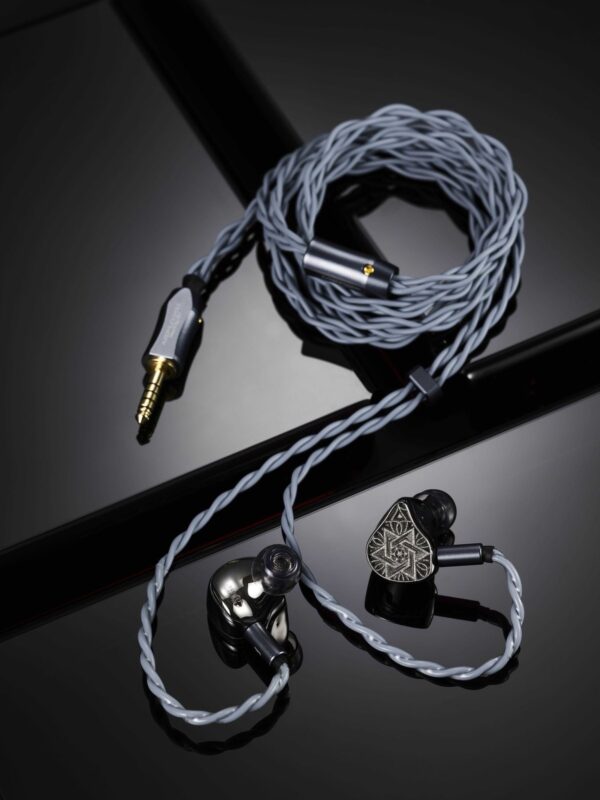 Mixing at home
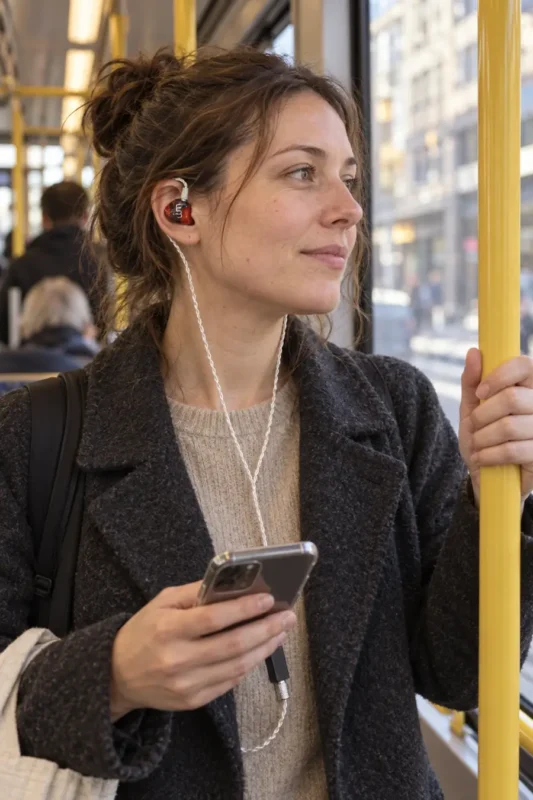 Daily commute
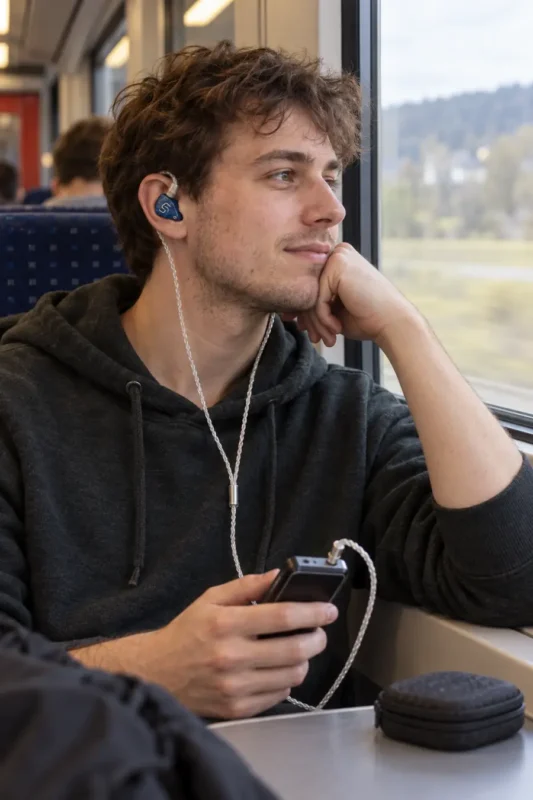 Long journeys
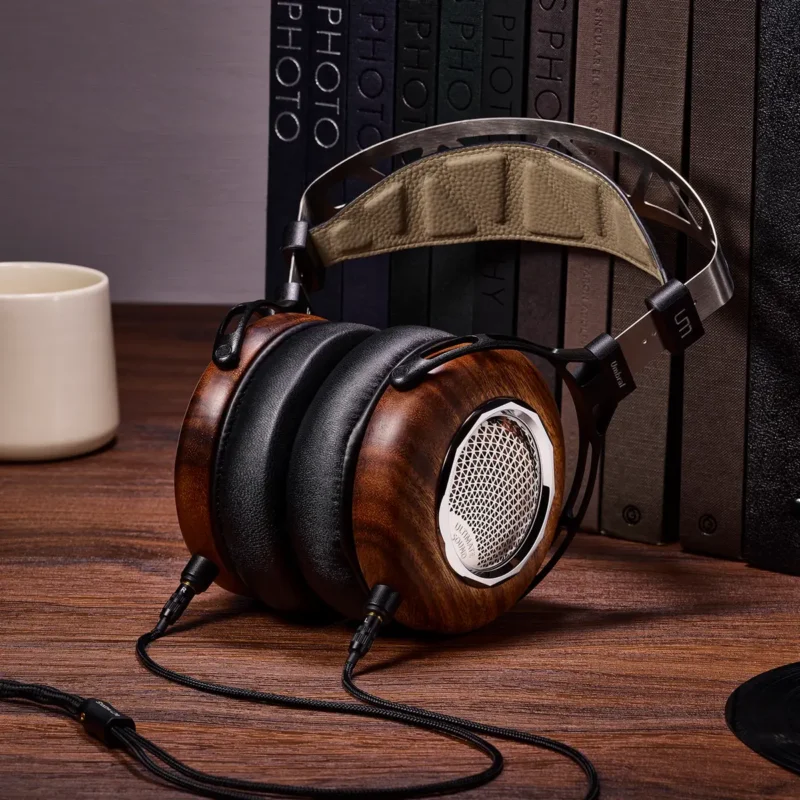 Listening at home
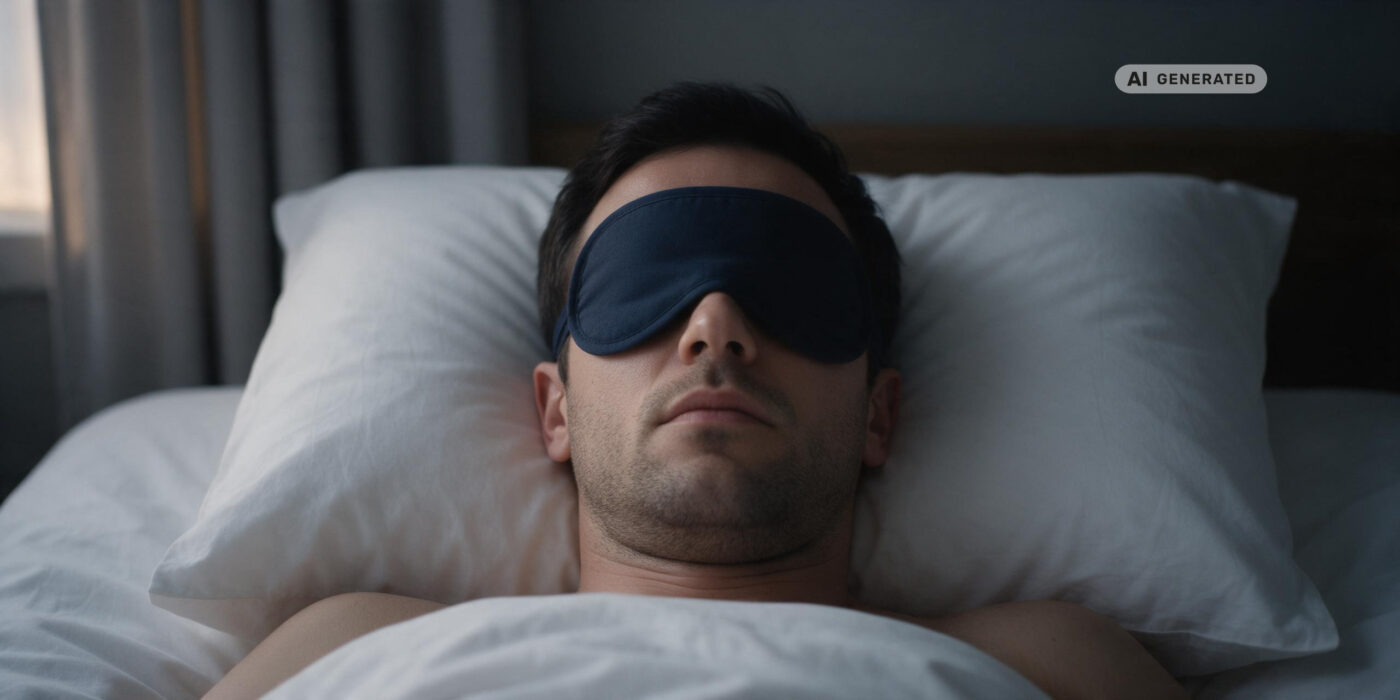
Most sleep mask research tested masks and earplugs together in intensive care, and the one home study of masks on their own found no change in how sleep was structured. Here is what the evidence shows, what it doesn’t, and who a mask is most likely to help.
26
Oct
Oct
Mulberry, momme, 6A, pure silk: most of the words on a silk mask label describe the fabric, not the darkness. Here is what each one means, what silk does better than cotton and satin, where it doesn’t, and how to check a mask is real silk.
23
Oct
Oct
Most light reaches your eyes around a sleep mask, not through it. Where the leaks are, what closes them and a two-minute torch test for total darkness.
22
Oct
Oct
Light and noise wake people through different routes, so one device rarely covers both. Here is who benefits from wearing a sleep mask and earplugs together, whether a matched set beats separates, and how to wear the pair comfortably on your side.
01
Oct
Oct
Blackout curtains darken the whole room but leak at the edges, while a sleep mask covers your eyes wherever you sleep. When each one wins, how to make a bedroom darker for little money, and when to use both.
19
Aug
Aug
Satin is a way of weaving, not a fibre, so a satin eye mask can be polyester or silk. Here is how the two compare on feel, warmth, static, washing and price, and how to read the label before you buy.
12
Aug
Aug
After a night shift, daylight is the main thing standing between you and sleep. Here is how to keep the light low from the journey home to waking, where blackout curtains fall short and where a sleep mask fits in.
29
Jul
Jul
Contoured masks keep fabric off your eyelids and lashes; flat masks are thinner, lighter and pack smaller. Here is how each shape seals out light, how it copes with a pillow, and which suits back, side and front sleepers.
23
Jul
Jul
Twenty minutes in the fridge in a clean bag, never the freezer, turns a silk sleep mask into a cold compress for a puffy morning. Here is how to do it, how long to wear it, and how it compares with a gel mask and a cool flannel.
15
Jul
Jul
Light at night delays and suppresses melatonin. The bedroom light sources that matter most, ranked, with the simplest way to darken each one.
15
May
May
The best sleep mask is the one that seals at your nose and cheekbones, not the most expensive one. Here are the five checks that matter, six mask types compared side by side, and which one suits which sleeper.
11
Mar
Mar
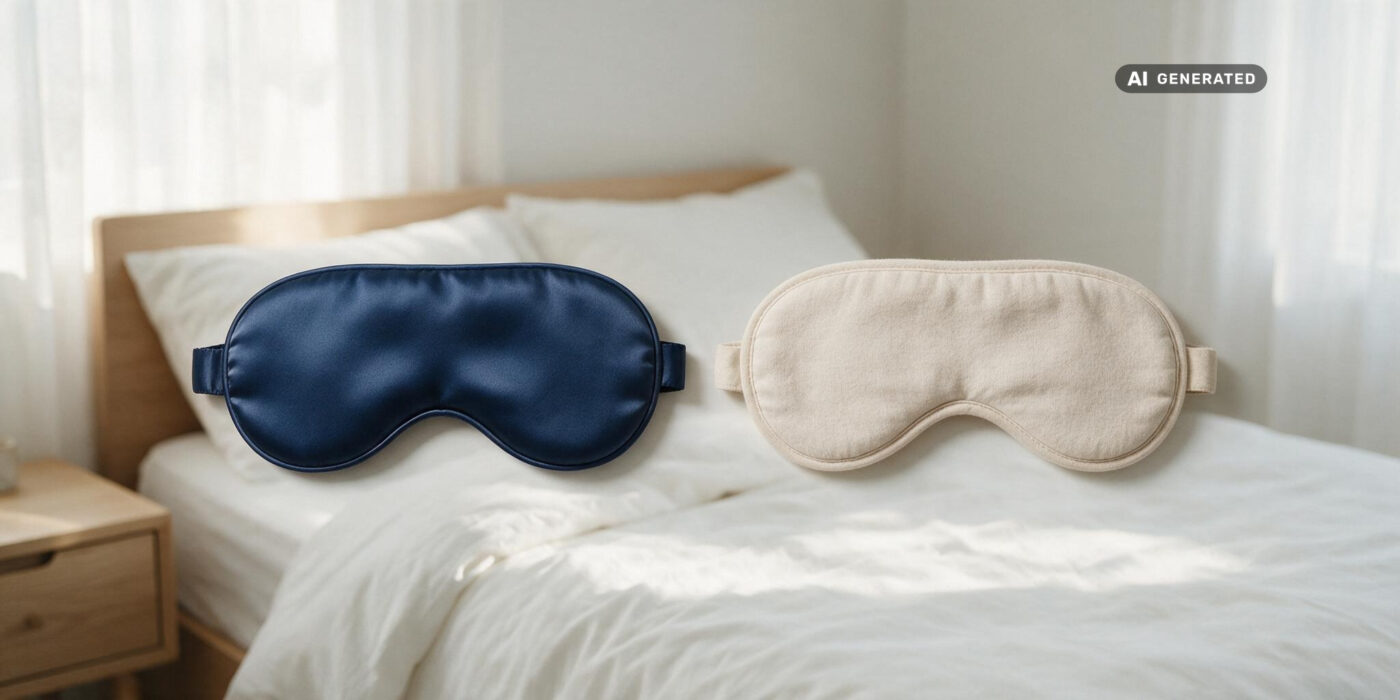
A weighted eye mask gives gentle pressure some sleepers like. A flat silk mask is lighter, runs cooler, packs flat and is easier to wash. Here is how they compare on heat, side sleeping and care, and when the weighted one is the better buy.
04
Mar
Mar
Cotton is breathable, cheaper and easy to wash. Silk glides with less friction and stays dry-feeling for longer. Here is how the two fabrics compare on heat, sweat, washing and price, with a verdict for each kind of sleeper.
01
Dec
Dec
In June the sun rises before 5am in most of the UK and the sky brightens even earlier. Real sunrise times by city, what British Summer Time changes, and how to keep your bedroom dark until the alarm.
12
Aug
Aug
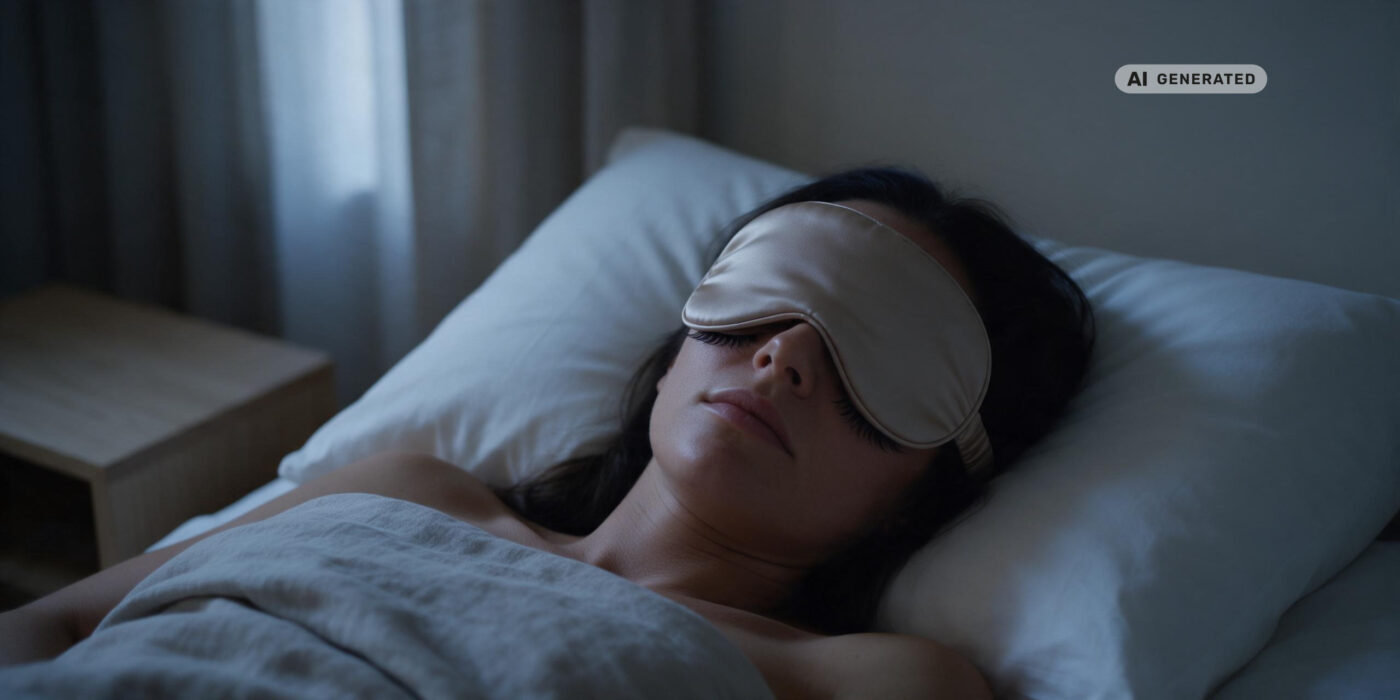
Cabin lights, hotel curtains that never quite meet and a sunrise at the wrong hour all get in the way of sleep away from home. Here is what makes a sleep mask for travel worth packing, how to wear it with a travel pillow, and when to block light or seek it after a long-haul flight.
01
Jul
Jul
You can wear a sleep mask with lash extensions if the fabric never rests on the set. How cup depth, side sleeping, strap tension and cleaning affect your lashes at night, and when to ask your lash technician.
09
Jan
Jan
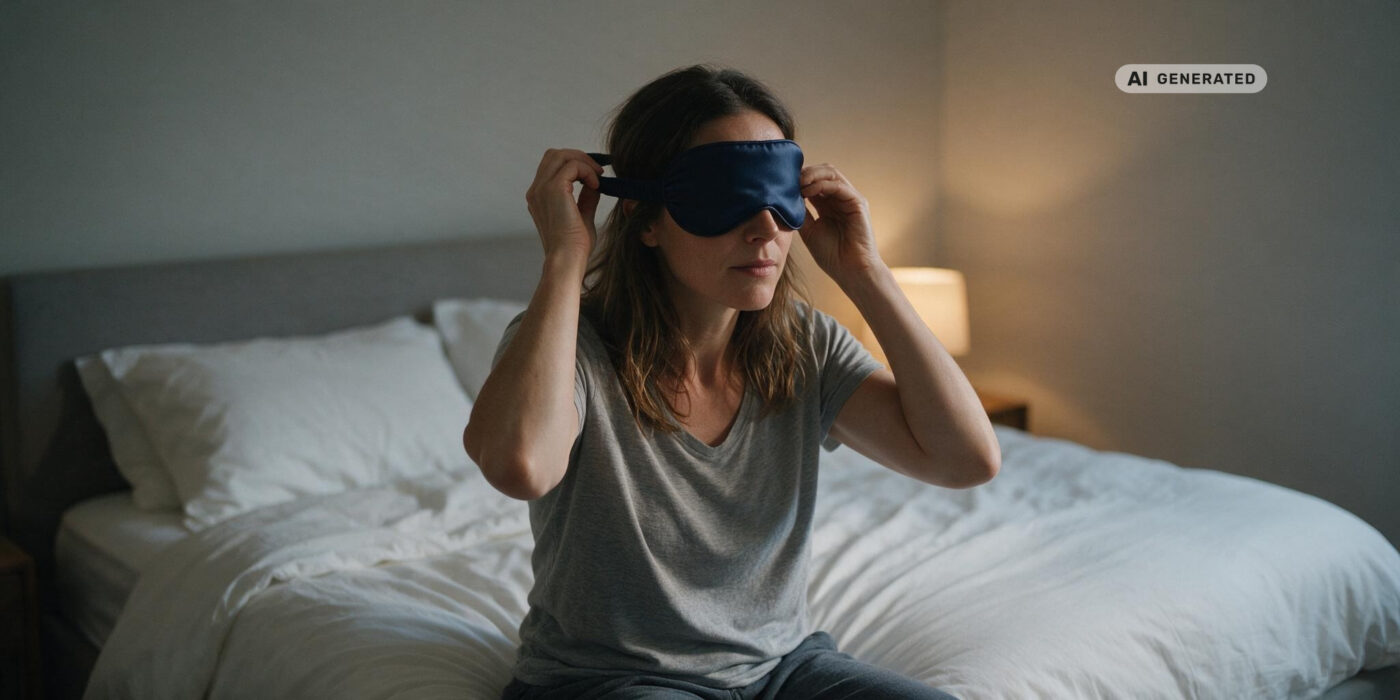
A sleep mask stays on when the strap sits above your ears and is set snug without pressing on your eyes. Here are the fitting steps, the signs a mask is too tight, and how to get used to wearing one.
07
Jan
Jan
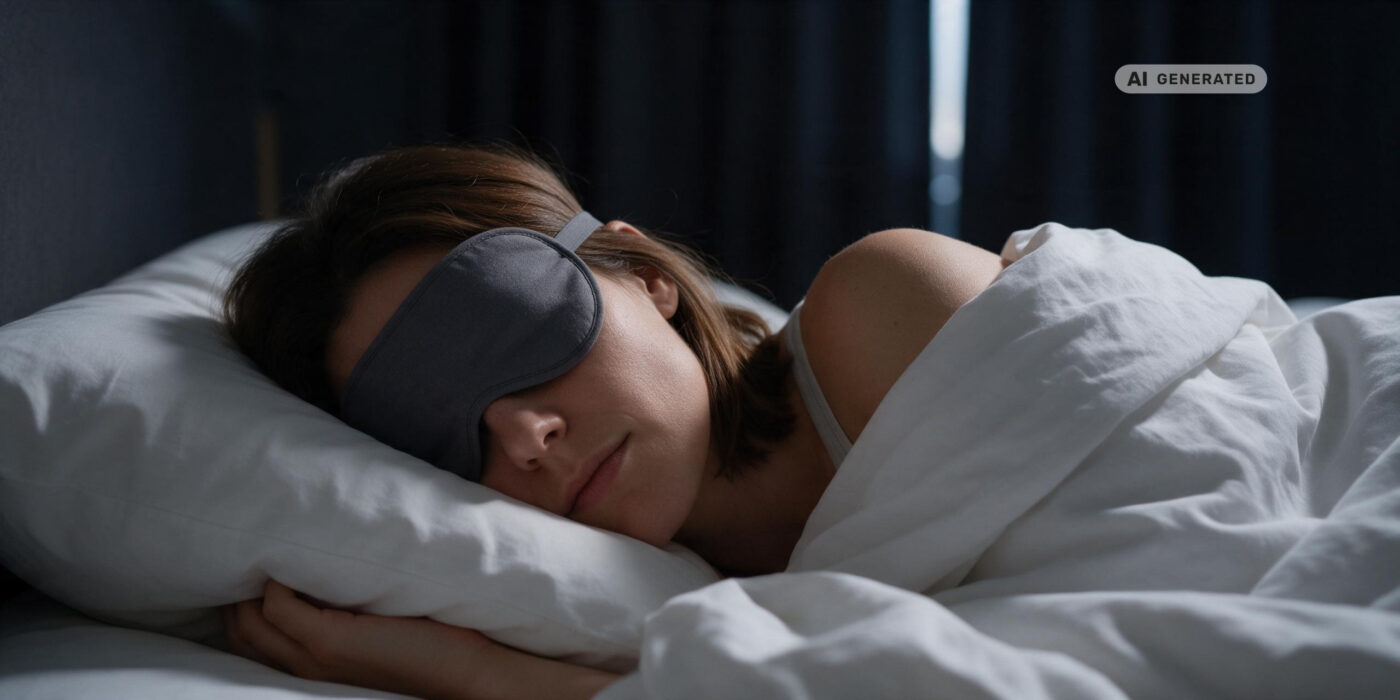
For most adults, a sleep mask is safe to wear every night as long as it fits without pressing on the eyes and gets washed regularly. Here is how to tell when a strap is too tight, what to do about contact lenses and children, and when to see an optometrist or GP.
06
Jan
Jan
On your side, the pillow pushes a sleep mask sideways and up and opens a gap at the nose. Here is which shape, strap position and seal keep it dark and comfortable, and how to add earplugs if noise wakes you too.
03
Jan
Jan
Silk dislikes heat, rubbing and strong sun, so a silk mask wants cool water, a mild non-bio detergent and a slow dry in the shade. Here are the steps by hand and at 30 °C in the machine, what the care label means and how often to wash it.
02
Jan
Jan
Most sleep masks sold “for men” or “for women” are the same mask with a different photo. Here is what actually decides fit, from head size and the strap to hair, fabric and colour, and how to choose one as a gift.