
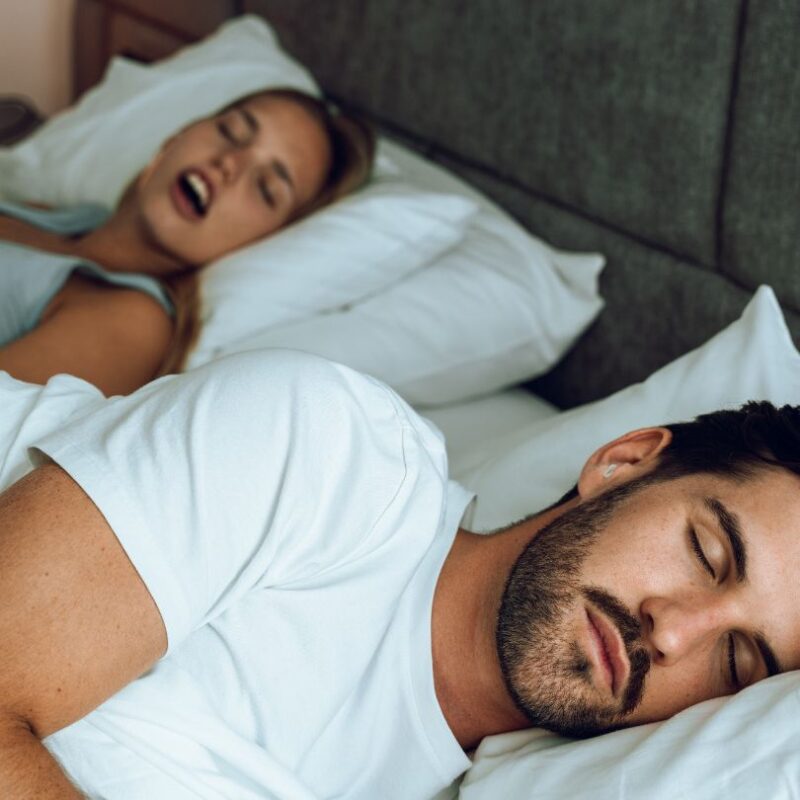
Schnarchen tritt auf, wenn der Luftstrom durch die oberen Atemwege teilweise blockiert wird, wodurch das Weichgewebe des Rachens, der Uvula und der Zunge während des Schlafs vibriert. Diese Vibration ist nicht zufällig, sondern wird durch anatomische und physiologische Faktoren verursacht, die bestimmen, wie offen oder eng Ihre Atemwege nachts bleiben.
06
Nov
Nov
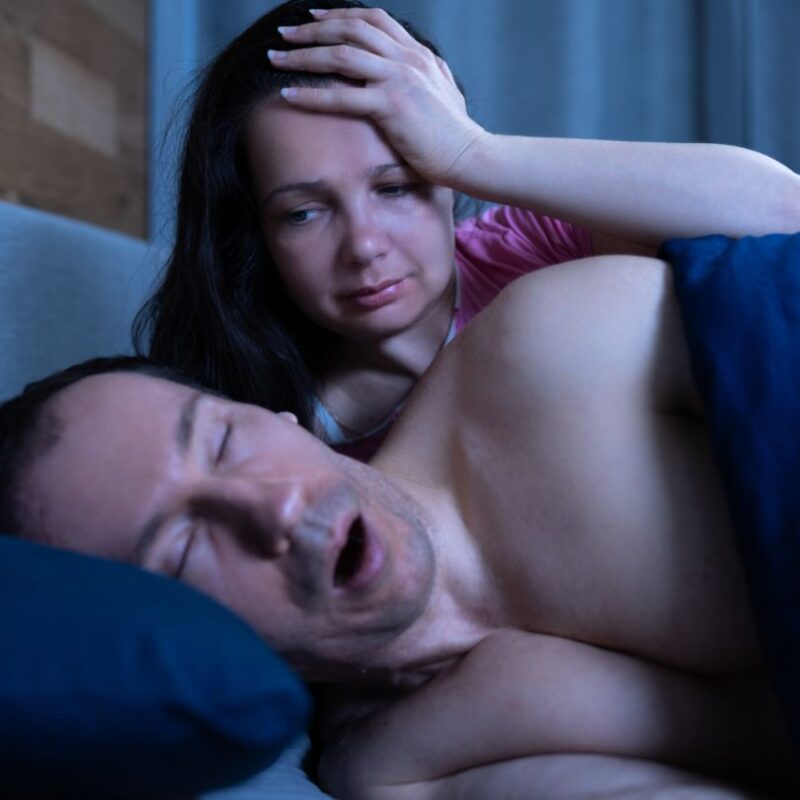
Snoring isn’t just a funny or annoying habit it’s a real health issue that can affect your ears, sleep, and overall well-being. Loud snoring happens when air struggles to move freely through your throat during sleep, creating vibrations that can reach dangerous sound levels. According to studies, heavy snorers can produce noise between 50 and 100 decibels, which is similar to a motorcycle engine or a busy street corner.
05
Nov
Nov
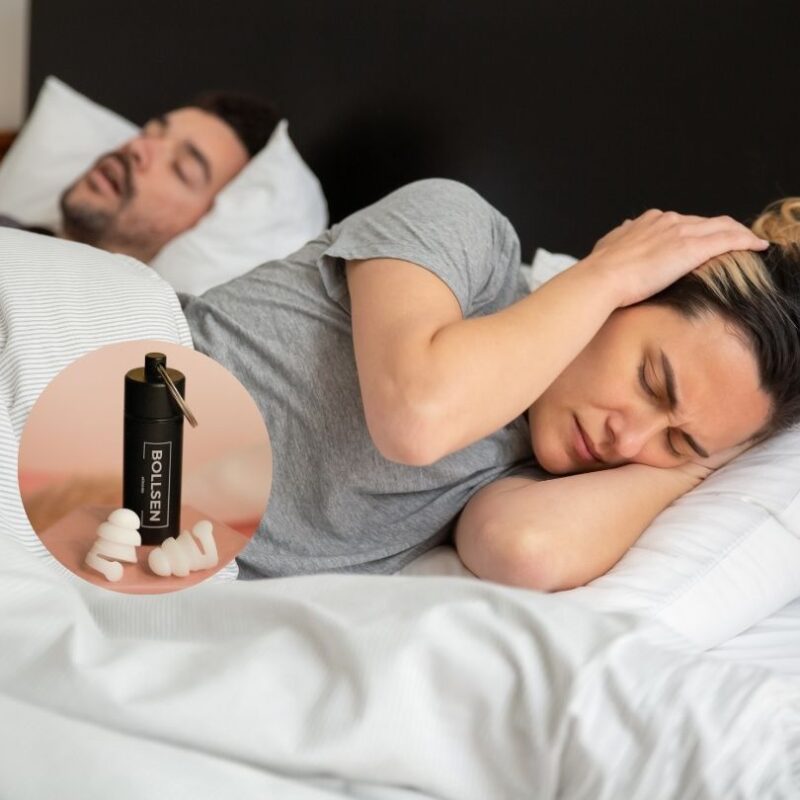
Snoring occurs when airflow through the upper airway becomes partially blocked, causing the soft tissues of the throat, uvula, and tongue to vibrate during sleep. This vibration isn’t random it’s driven by anatomical and physiological factors that determine how open or narrow your airway stays at night.
05
Nov
Nov
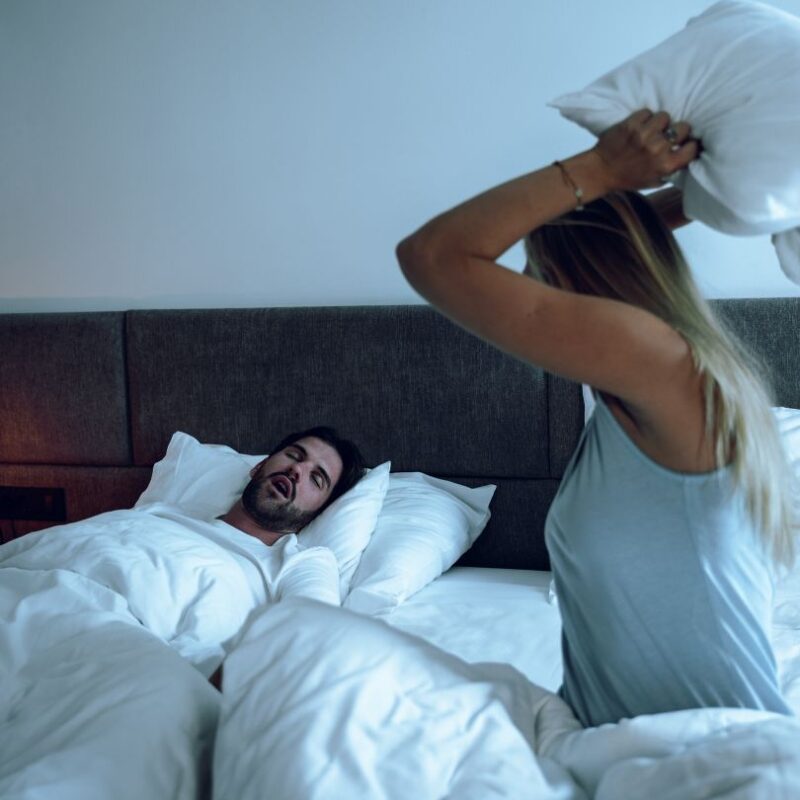
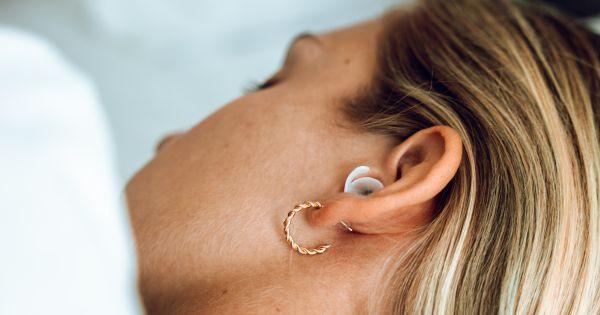
Earplugs for snoring work by mixing noise reduction, sound absorption, and a tight seal that lowers the rumbling noises that keep people awake. These earplugs make snoring much quieter, helping you fall asleep and stay asleep even if your partner still snores a little.
03
Nov
Nov
Snoring happens when your airways get partly blocked, making the soft parts of your throat vibrate and create that loud noise that can keep everyone up. It’s not just annoying it’s a sign that your breathing system isn’t working as smoothly as it should.

23
Oct
Oct
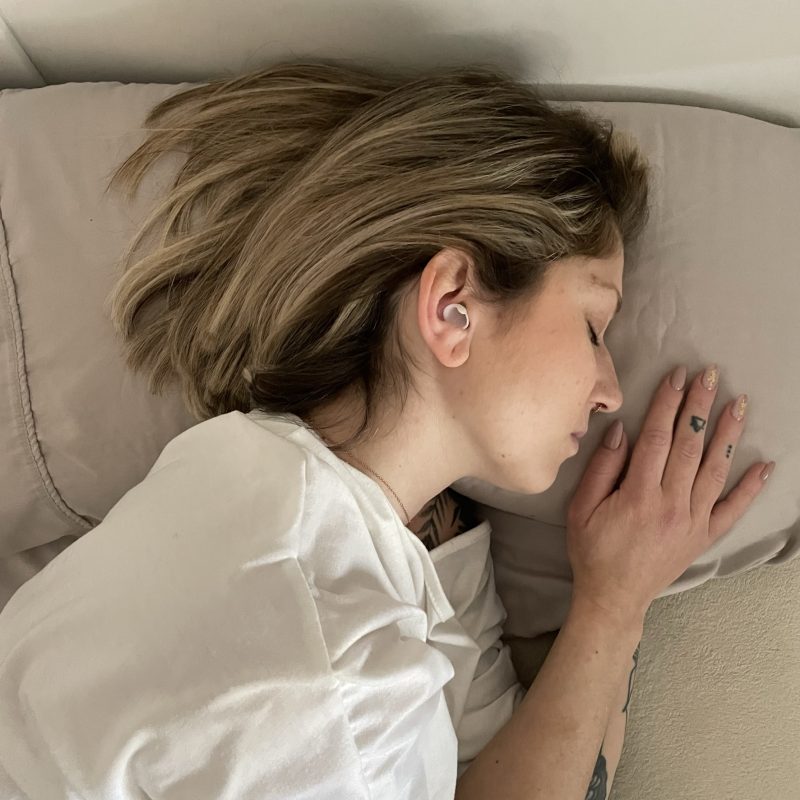
Earplugs for sleeping do more than just block noise they help you get better sleep and feel more rested. When you wear earplugs at night, they keep out sounds like traffic, snoring, or loud TVs, so your body can stay in deep sleep longer and wake up feeling refreshed.

23
Oct
Oct
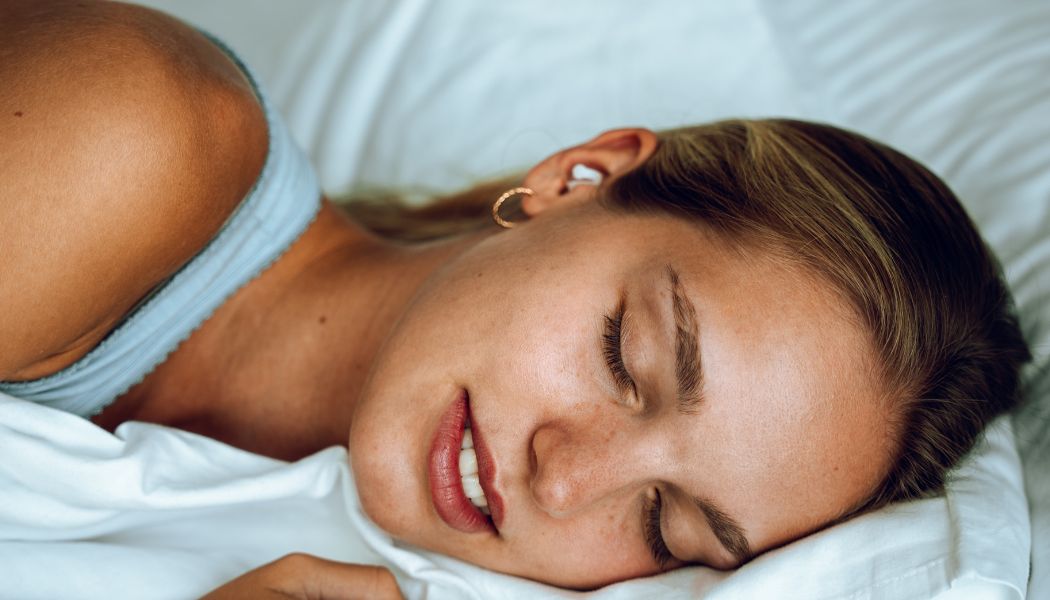
Is your dog scared of fireworks or thunder? You’re not alone – loud noises can terrify our furry friends and even damage their sensitive ears. Fortunately, dog hearing protection offers a safe, drug-free way to keep pets calm and prevent noise-related harm. In this expert-reviewed guide, we explore why dogs need hearing protection, when to[…]
21
Oct
Oct
Using sleep earplugs can transform your quality of rest, but comfort and hygiene depend entirely on how they are inserted and maintained. Many people experience discomfort or even ear infections simply because of incorrect use. Proper technique not only ensures quiet nights but also safeguards your ear health.

09
Oct
Oct
Custom-moulded sleep earplugs are created to match the individual shape of a person’s ear canal. They are usually crafted from silicone and are made of durable materials designed to block outside noise during rest. Unlike foam or wax plugs, they require a fitting process, either through an audiologist or a do-it-yourself kit. Once produced, they take two to four weeks to arrive and often cost significantly more than standard alternatives. These earplugs claim to provide 25 to 30 decibels of noise reduction and last three to five years with proper maintenance.

06
Oct
Oct
Why Do Musicians and Concert Lovers Need Earplugs? Loud concerts and clubs can damage your hearing surprisingly fast. A night of music might leave your ears ringing or muffled – a sign that the sensory cells in your ears are overworked (WHO). Over time, repeated exposure to high decibel levels can cause permanent noise-induced[…]

02
Oct
Oct
Disposable earplugs and reusable earplugs both promise quieter nights, but the choice impacts comfort, hygiene, and long term sustainability. For nightly users, the trade offs between foam and silicone earplugs are measured by cost, health, and sleep quality. The following comparison explores how these two categories differ in durability, performance, safety, and environmental impact when worn every night.

02
Oct
Oct
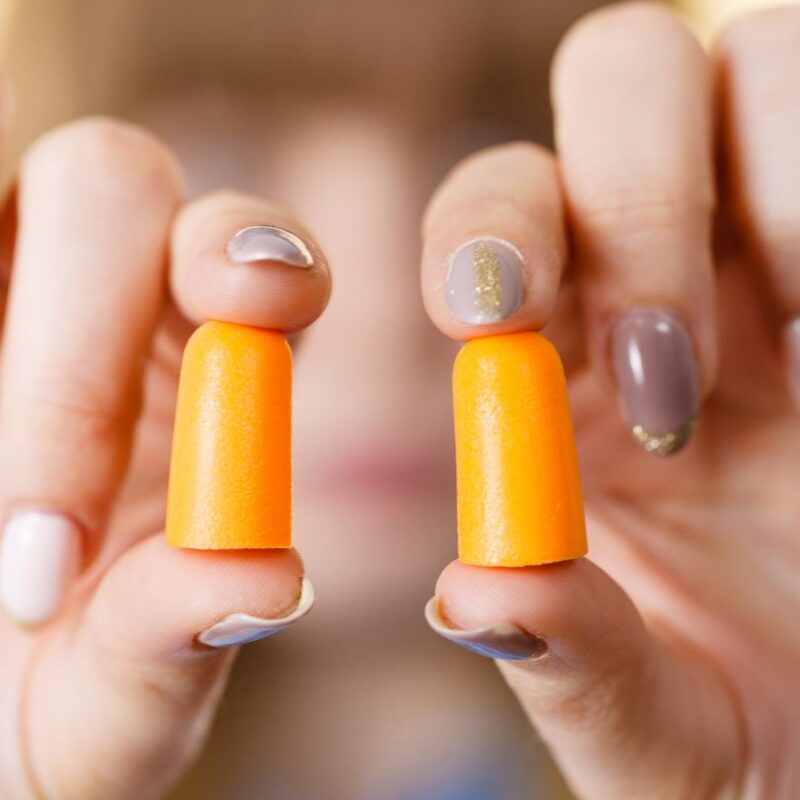
Wax earplugs are made of soft wax blends, sometimes mixed with cotton or lanolin. They mould to the entrance of the ear canal and provide moderate noise reduction for limited situations. Wax plugs are classified as disposable, and they require replacement after short use periods. Their purpose is basic protection in environments with steady background sound, but they also come with several drawbacks compared to reusable options.
02
Oct
Oct
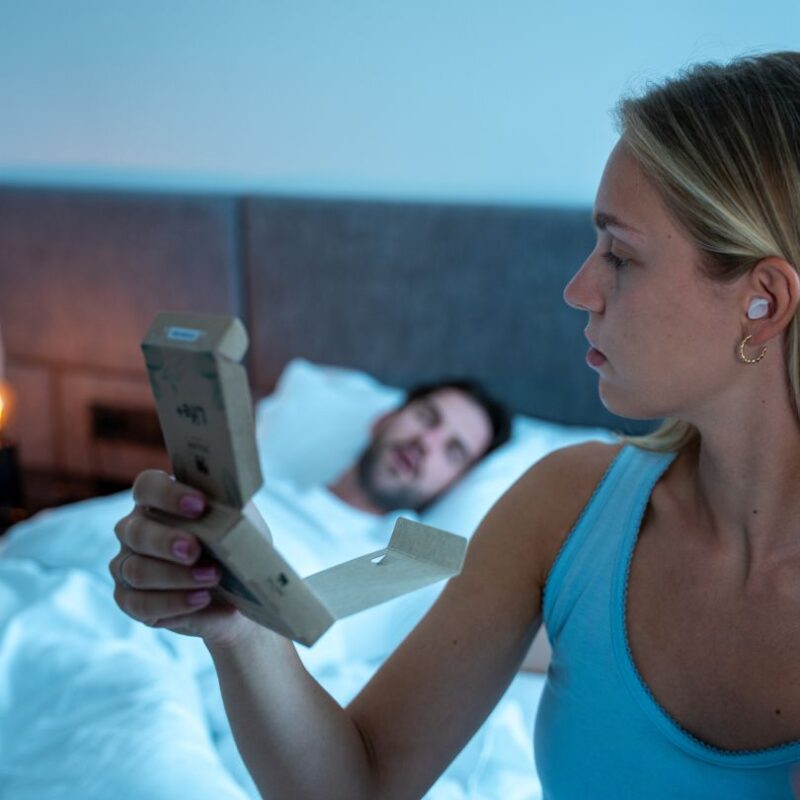
Foam earplugs are made of compressible materials such as polyurethane. They expand in the ear canal to limit exposure to high sound levels and are classified as single use items. They are frequently distributed in bulk for workplaces, events, or for occasional sleeping use. Their design and characteristics make them effective in some contexts, but they also come with limitations when compared to other earplug materials.
01
Oct
Oct
Silicone earplugs are widely used for sleeping, swimming, music, etc. They combine comfort with reusability and are generally considered safe and hypoallergenic. Unlike disposable alternatives, they are made of hypoallergenic silicone that fits gently in the ear, making them safe for regular use. This guide explains what silicone earplugs are, how they offer unique benefits, where they fall short, and how they compare to foam and wax versions.

24
Sep
Sep
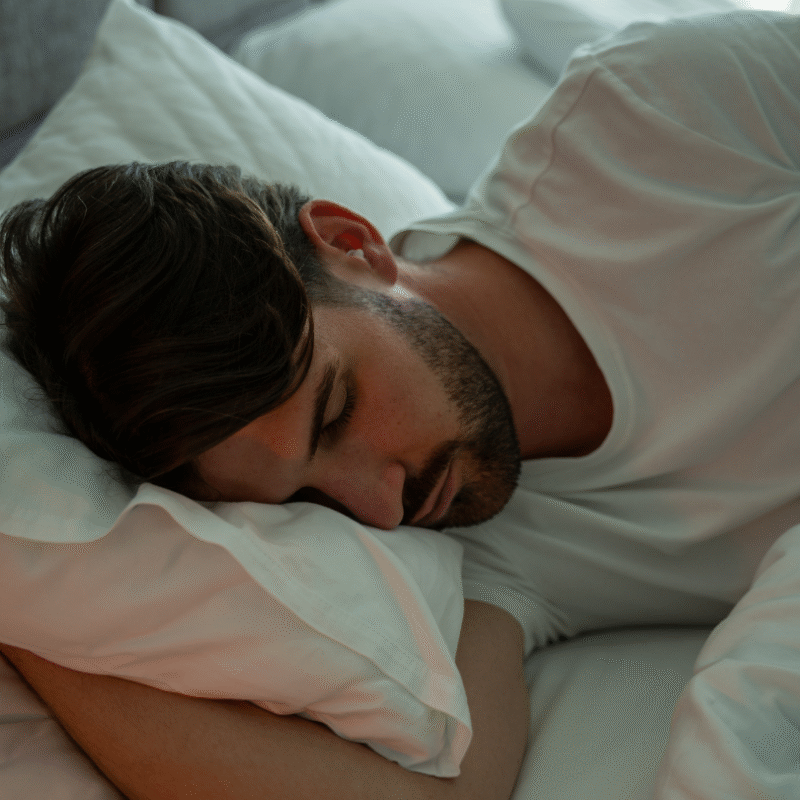
Not all earplugs are created equal and neither are the noise ratings printed on their packaging. If you’re trying to sleep through a snoring partner or street traffic, understanding the difference between NRR and SNR can help you choose the right level of silence.
23
Sep
Sep
External sounds can interrupt brain activity during sleep, especially during light and REM phases. While deep sleep helps the brain detach from external awareness, the earlier stages of sleep remain responsive to surrounding noise. This means that low-volume sounds such as distant vehicles, footsteps, or hallway conversations can affect brainwave patterns even when the sleeper remains unconscious. The result is a night of rest that feels light or broken, even if the person believes they slept through.
18
Sep
Sep
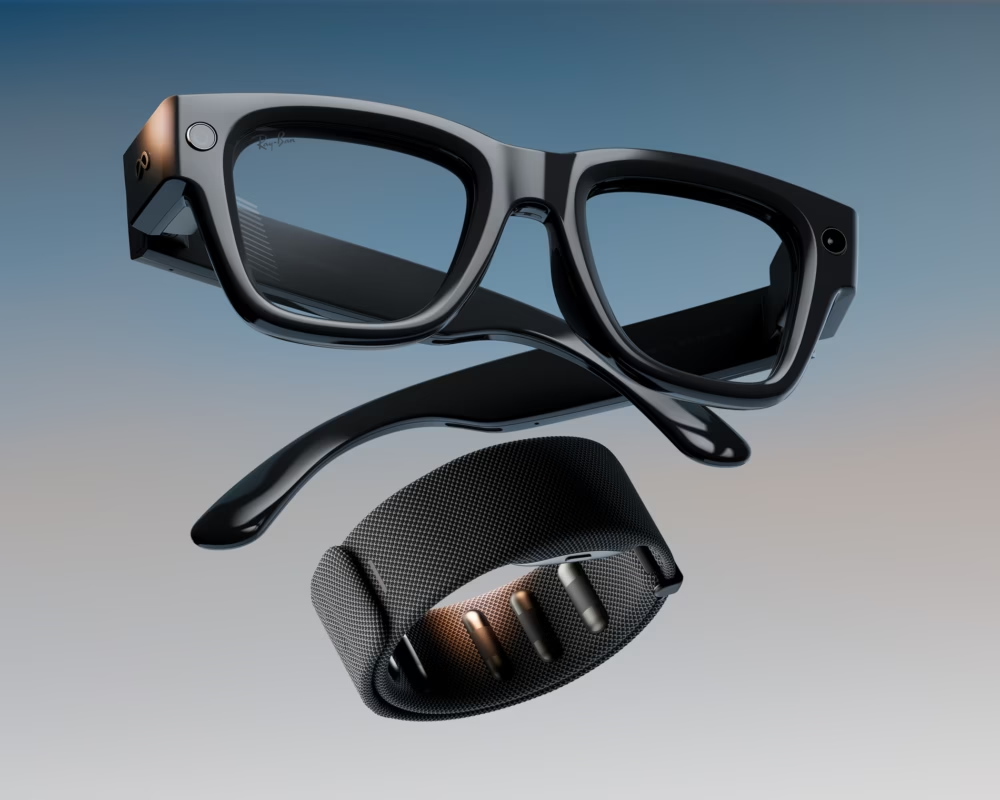
Home Blog Meta Ray-Ban Display Glasses: Live Subtitles as a Hearing Aid Complement Meta Ray-Ban Display Glasses: Live Subtitles as a Hearing Aid Complement By Alen Kurbegovic, Founder of BOLLSEN Hearing Protection Meta made waves this week by unveiling the new Ray-Ban Meta Display smart glasses – a stylish pair of Wayfarer-style glasses[…]

17
Sep
Sep
Sustainability at BOLLSEN We’re building a quieter world—and a cleaner one. BOLLSEN is reducing plastic across packaging, moving to recycled and certified cardboard sourced in Germany, and introducing grass paper to lower our environmental footprint from the box up. See what changedRead FAQs What we changed and why From plastic to cardboard We’ve reduced plastic[…]

16
Sep
Sep
DJs are the lifeblood of any vibrant music scene, bringing energy and rhythm to parties and events. However, amidst all the excitement, DJs face a significant risk noise-induced hearing loss. This article explores the benefits of using DJ ear plugs, ensuring that DJs can enjoy their craft while safeguarding their hearing health.

12
Sep
Sep
Learn how to choose earplugs for swimming with our step-by-step guide, ensuring comfort and protection against water and noise.

10
Sep
Sep
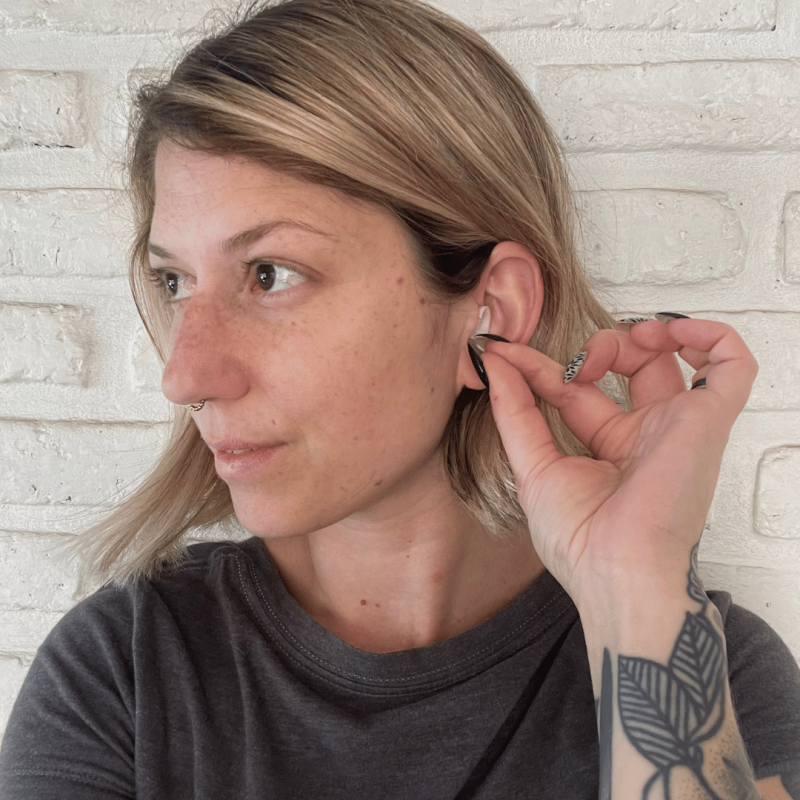
For drummers in the UK whether you’re pounding out beats in a packed gig venue or practicing in a small rehearsal space protecting your hearing is as essential as tuning your kit. Every cymbal crash and snare hit sends powerful sound waves towards your ears, and over time, repeated exposure can lead to permanent hearing loss.
08
Sep
Sep
Noise sensitivity also known as hyperacusis happens when everyday sounds, like a refrigerator hum or distant conversation, feel overwhelming or even painful. This heightened reactivity can affect one’s quality of life by disrupting concentration, sleep, and social comfort.

05
Sep
Sep
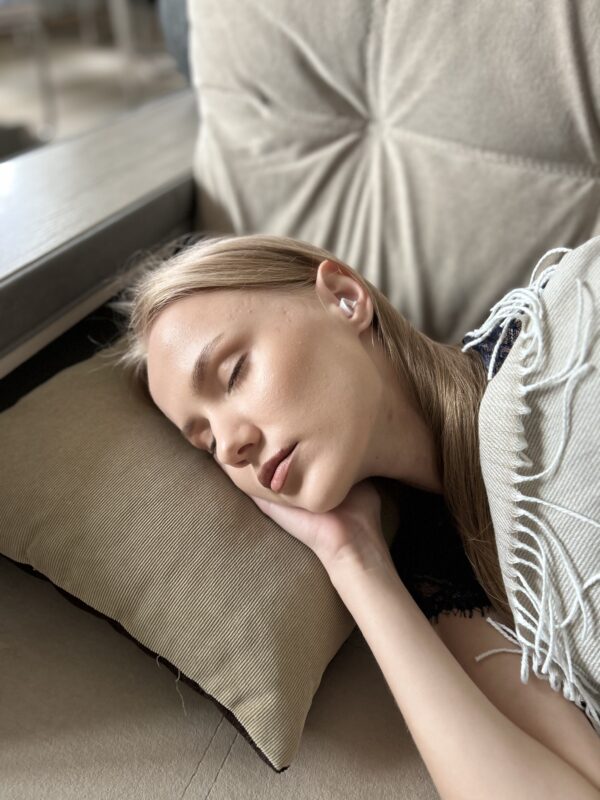
Air travel can be an exciting adventure, but for many, the experience is marred by discomfort due to changes in cabin pressure. This discomfort, often manifesting as ear pain, can put a damper on your journey. Fortunately, there is a simple solution: aeroplane earplugs. In this article, we’ll explore the benefits of using earplugs during flights and why they are a must-have travel accessory for anyone who frequently takes to the skies.
04
Sep
Sep
Side sleepers face unique challenges when it comes to finding comfortable earplugs. The pressure exerted on the ears by the pillow can make sleeping with regular earplugs uncomfortable or even painful. This discomfort can lead to restless nights and constant waking, impacting overall sleep quality. Moreover, side sleepers need side sleeper earplugs that stay in place throughout the night despite movement. It’s crucial for earplugs to maintain their position without causing irritation, as ill-fitting earplugs can exacerbate discomfort rather than alleviate it.

27
Aug
Aug
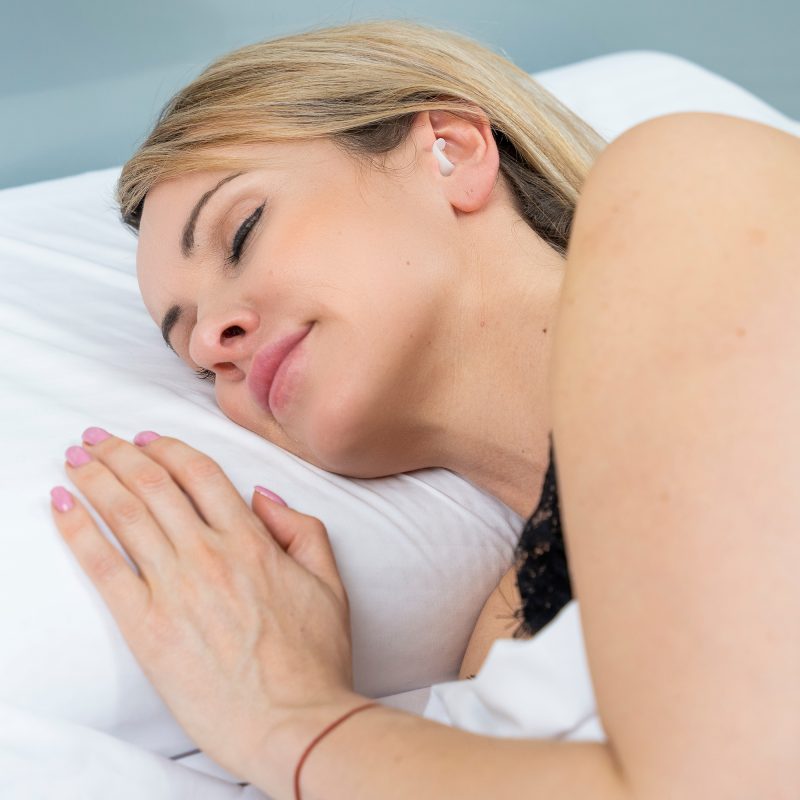
Attending music festivals can be an exhilarating experience filled with live performances, vibrant crowds, and unforgettable moments. These events are a celebration of music, community, and culture, drawing people from all walks of life to share in the joy of live performances. However, amidst the excitement, it’s crucial to consider the health of your ears.
18
Aug
Aug
Finding the perfect ear plugs for sleeping can transform your nights. They offer a simple solution to noise disturbances. At Bollsen, we’ve spent years studying sleep optimization tools and Life+ ear plugs are among the simplest yet most effective solutions.

15
Aug
Aug
In today’s noisy world, protecting your hearing is more important than ever. Whether you’re working in a loud environment or trying to sleep peacefully, noise reduction solutions are essential.

13
Aug
Aug
Tinnitus is a condition that affects millions worldwide. It manifests as a persistent ringing or buzzing in the ears. This can be both annoying and distressing.
Many seek relief through various methods. One popular option is tinnitus ear plugs. These are designed to reduce noise and provide comfort.

11
Aug
Aug
Water in the ear can be a common annoyance, especially after swimming or taking a shower. This issue is more than just an inconvenience; it can cause discomfort, a clogged feeling, and sometimes even lead to infections if not addressed promptly. Understanding how to get water out of ear safely and effectively is essential to prevent complications like swimmer’s ear, which can lead to more severe health issues if neglected.

10
Aug
Aug
In the vibrant world of music, where sound levels can reach dangerous heights, prioritizing hearing protection is vital. Musicians face constant exposure to loud noises during performances, rehearsals, festivals and concerts. This relentless environment can lead to lasting damage to their hearing.

08
Aug
Aug
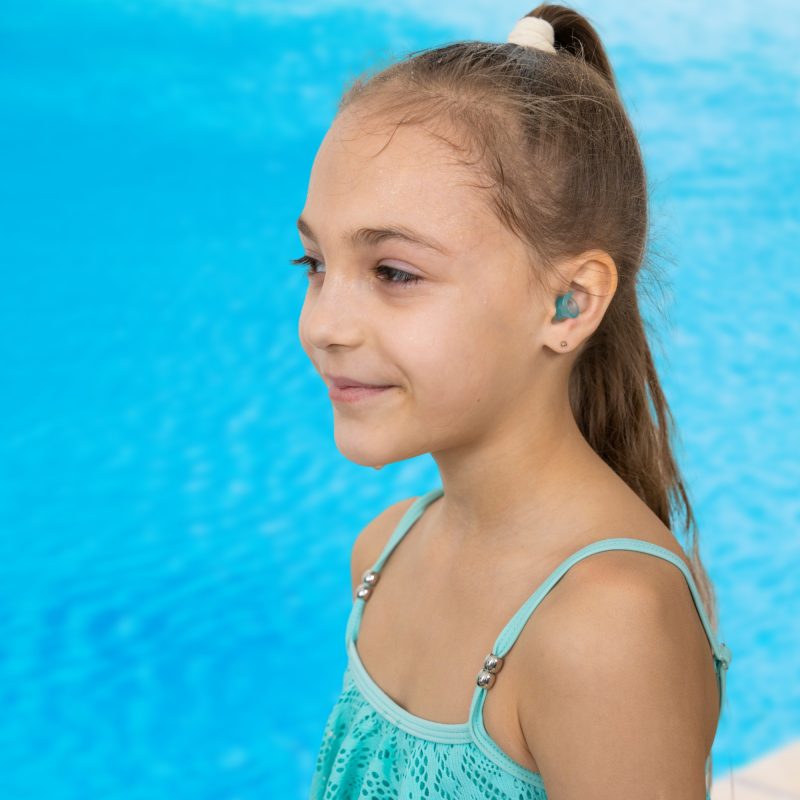
Swimming is a delightful and beneficial activity that many of us enjoy. However, for individuals with grommets, also known as ear tubes, swimming can present unique challenges. These small tubes are surgically inserted into the ear to help prevent infections and improve hearing, but they can require special care when it comes to water activities. This article will guide you through everything you need to know about grommets and swimming.



07
Nov
Nov
Lucid dreaming is a skill that can open doors to new worlds, offer creative inspiration, and even lead to personal transformation. Imagine exploring dreamscapes you design yourself, confronting fears, or solving real-life problems, all within the safe bounds of your dreams.