

 Sleeping
 Concerts
 Motorcycle
 Swimming
 Work
 Kids
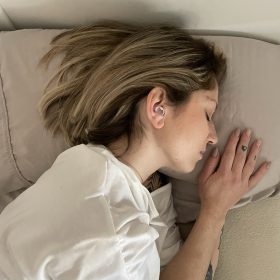
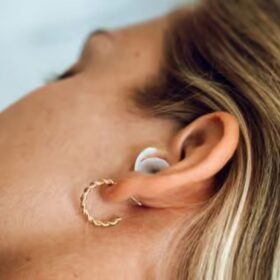

 On stage
 In the studio
 Rehearsals
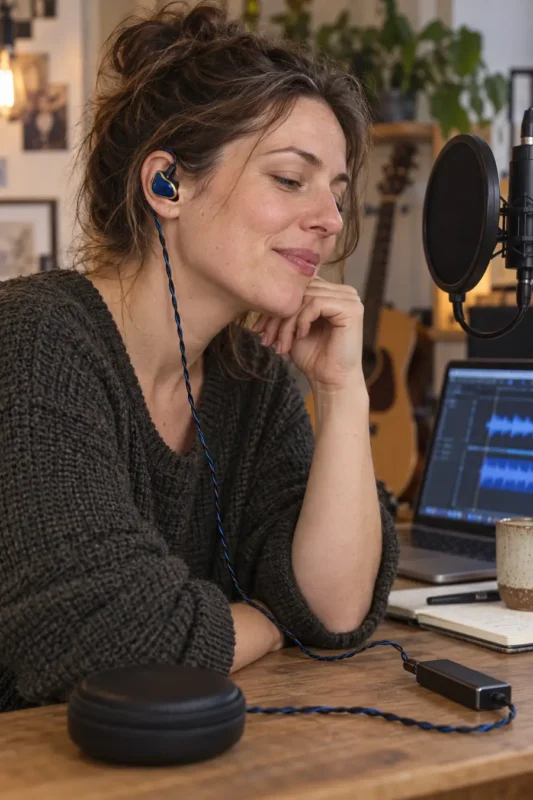 Writing music
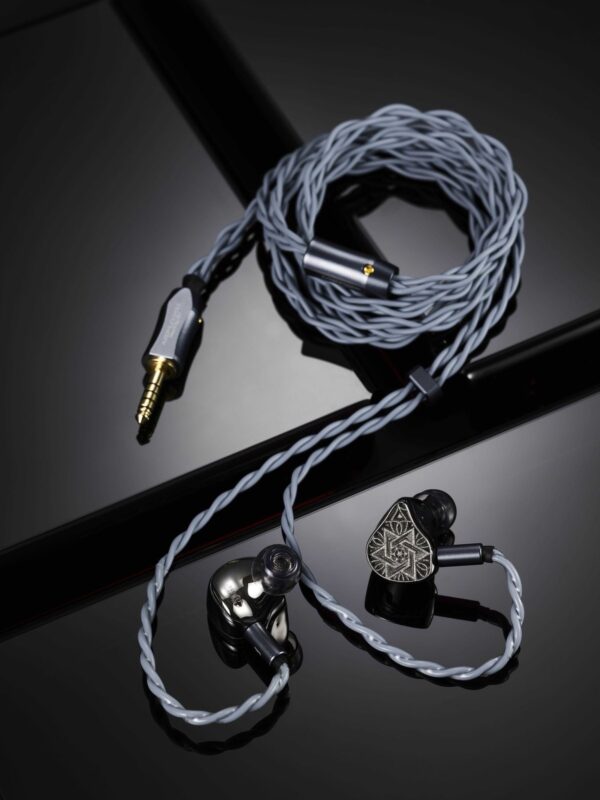 Mixing at home
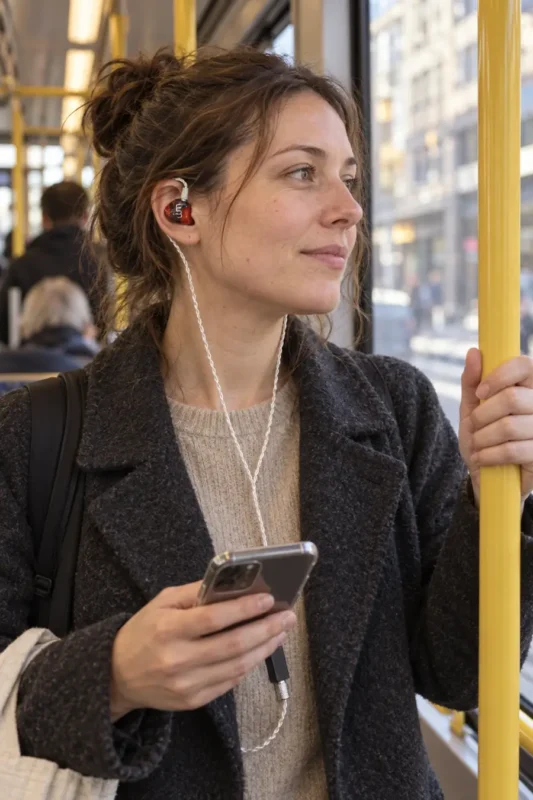 Daily commute
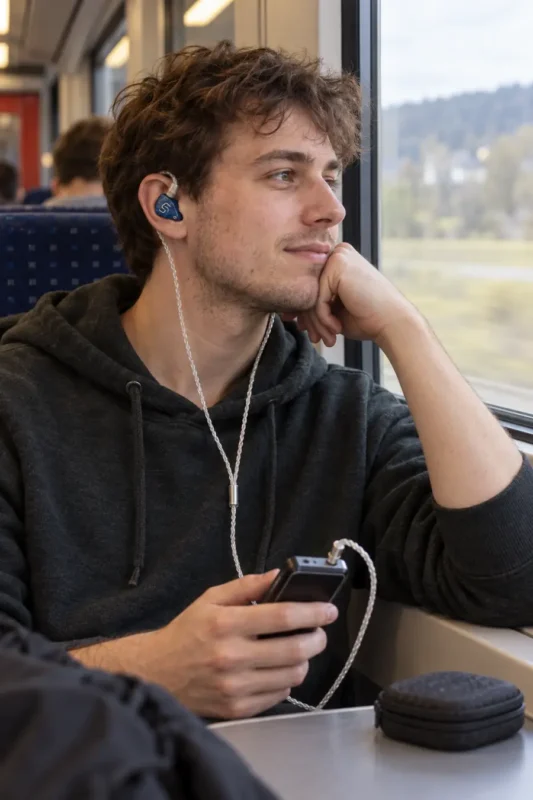 Long journeys
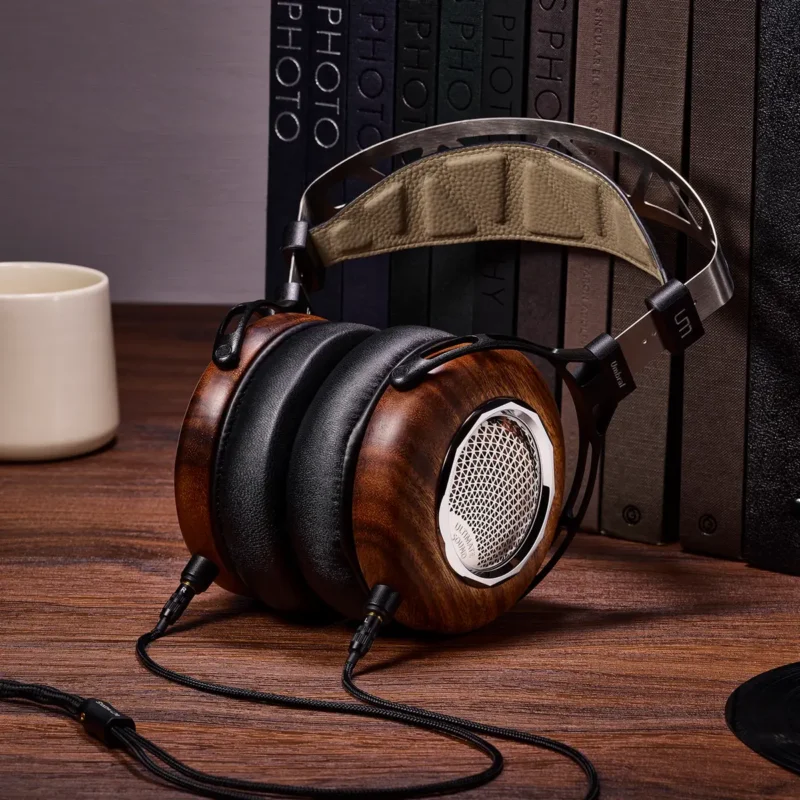 Listening at home

Being highly sensitive is a common personality trait, not a condition. Here is how to fit earplugs into the loud parts of a day, from errands to travel to the evening wind-down, and what they can and can’t change.

19
Oct
Oct
A criteria-first guide to everyday earplugs: how much reduction suits loud everyday places, which fit and material stay comfortable for hours, what a pair costs per use, and when to take them out.
Earplugs for noise sensitivity
Earplugs vs Noise-Cancelling Headphones vs Ear Defenders: Which Suits Everyday Sound?
15
Oct
Oct
Noise-cancelling headphones, passive earplugs and ear defenders each do a different job with sound. A table-first comparison of low drone and sharp noise, battery, pressure, touch, discretion and cost per use.
Earplugs for noise sensitivity
Earplugs for Overstimulated Parents: Still Hear Your Child, Just Quieter

13
Oct
Oct
A parent’s guide to wearing earplugs for the loudest stretches of family life: measured levels for toys, playrooms and crying, why a calling child stays audible, and when the earplugs come out.

12
Oct
Oct
Earplugs turn the room down, not ADHD itself. A focus-block routine for adults at a home desk, the kitchen table or the library, with honest numbers and clear cues for taking them out.
Earplugs for noise sensitivity
Earplugs for Restaurants, Pubs and Social Events: Plan a Calmer Evening Out

06
Oct
Oct
Busy restaurants and pubs can reach 90 dB at their busiest. An honest guide to what earplugs do to conversation, when to take them out and how to plan a calmer evening out.
Earplugs for noise sensitivity
Earplugs for Sensitive Ears: Softer Material, Shallower Fit, Right Size

05
Oct
Oct
Sore or itchy ears in earplugs usually come down to pressure, depth, material, size and hygiene. A practical guide to gentler earplugs, with a GP and pharmacist signpost.

17
Aug
Aug
Earplugs lower the sound share of an overwhelming day, not the whole load. A situation-by-situation plan for adults, with honest numbers, when to take them out and when to speak to a GP.
08
Jul
Jul
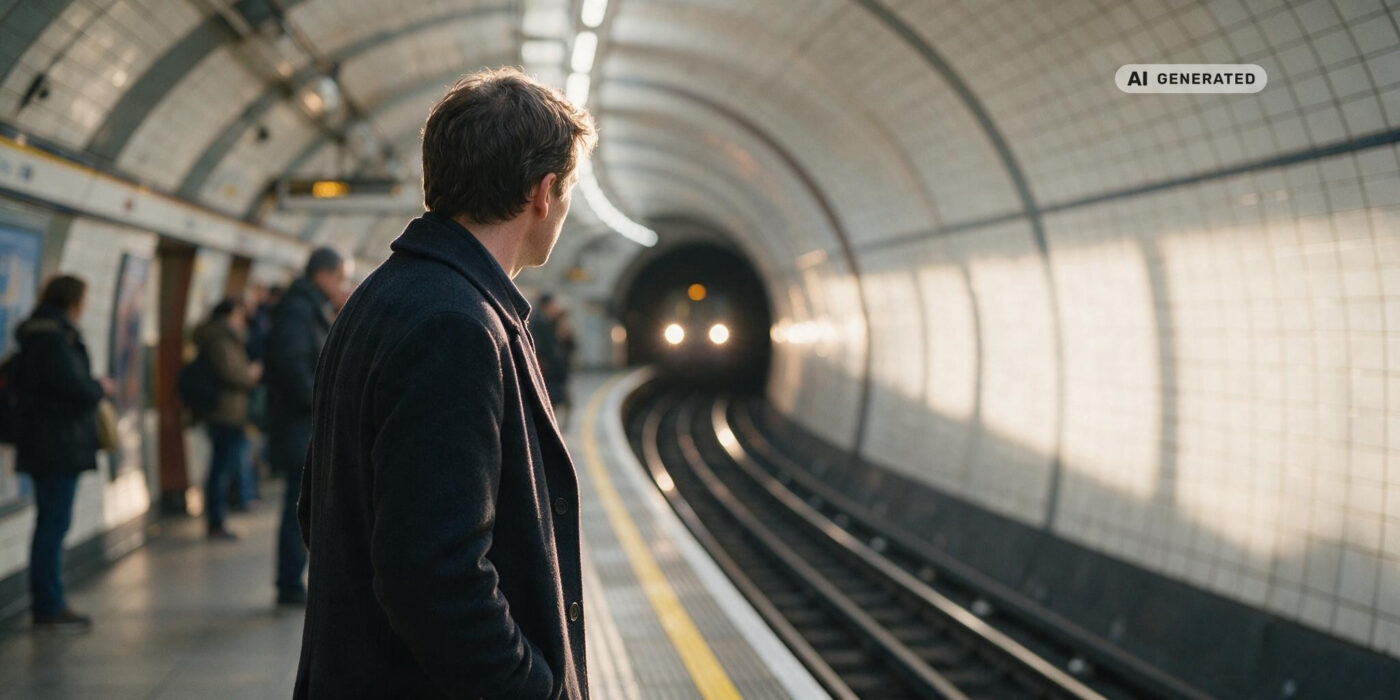
Tube carriages routinely pass 80 dB and the loudest sections peak above 100 dB. Here is how loud the commute really gets, whether your stop announcement stays audible with earplugs in, and when the plugs go in and come out.

24
Jun
Jun
How students use earplugs for focus blocks in the library and at home, what JCQ says about earplugs in GCSE and A level exams, and what a reusable pair costs per term.

17
Jun
Jun
An ordinary day in time order for anyone who finds everyday sound too loud: change the setting first, wear earplugs for the loud bits and take them out for the quiet bits.

09
Jun
Jun
Wearing earplugs all day in quiet places can make ordinary sound feel louder over time. What the NHS says, what the research shows, and a simple routine for when they go in and when they come out.
03
Jun
Jun
You’re not too sensitive, the world is loud. A community-voice guide for autistic adults and teens 16+ on choosing in-ear earplugs or ear defenders by touch, honest numbers and when to take them out.
Earplugs for noise sensitivity
Earplugs for Shopping, the Cinema and Busy High Streets: A UK Pairing Plan

14
May
May
Shop floors sit around 58 to 70 dB and a cinema’s loudest minute can reach 92 dB. A UK guide to quieter hours, relaxed screenings and when a pair of earplugs goes in and out.

12
May
May
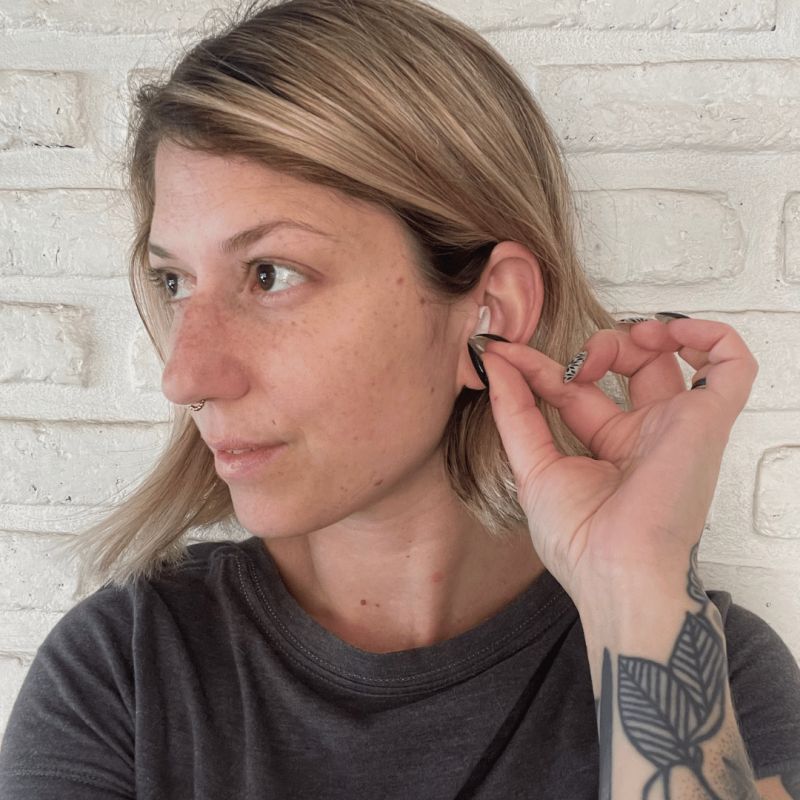
Most earplugs block 15–33 dB, but everyday wear needs about 15–25 dB. Here is the lab curve for a passive SNR 24 earplug and what 24 dB really sounds like.
08
Sep
Sep
Noise sensitivity also known as hyperacusis happens when everyday sounds, like a refrigerator hum or distant conversation, feel overwhelming or even painful. This heightened reactivity can affect one’s quality of life by disrupting concentration, sleep, and social comfort.

01
Aug
Aug
Noise sensitivity can be overwhelming. This condition might seem as exaggerated or even fictitious for people who don’t have it, but for those who experience it, it can be a true nightmare.