

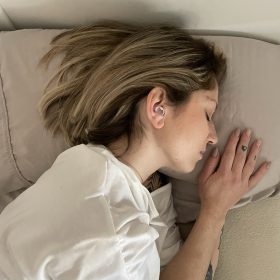
 Sleeping
 Concerts
 Motorcycle
 Swimming
 Work
 Kids
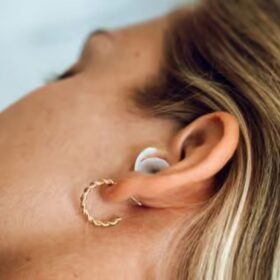

 On stage
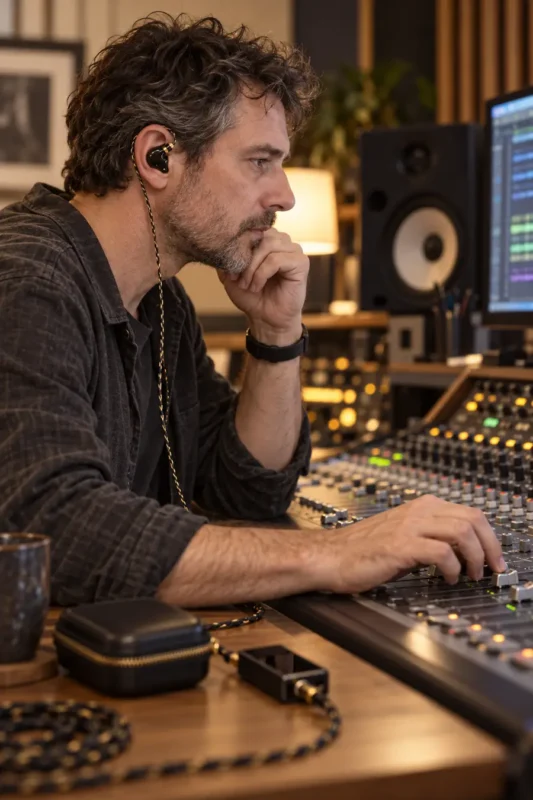 In the studio
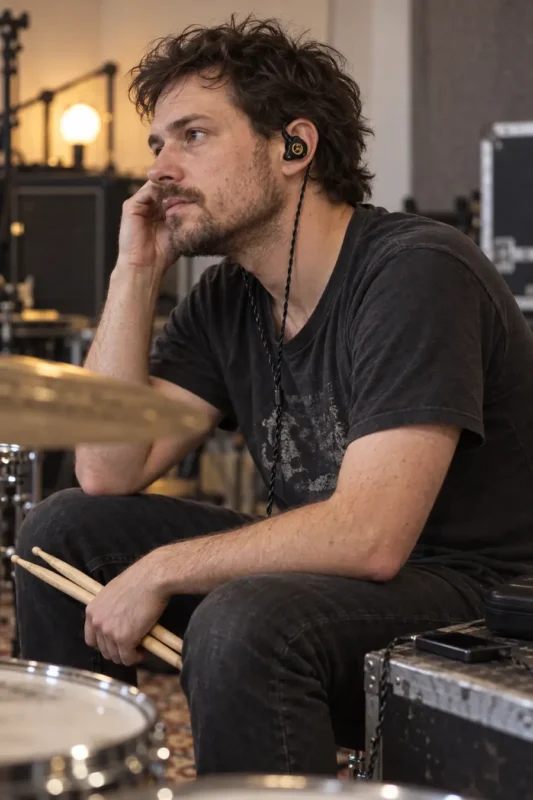 Rehearsals
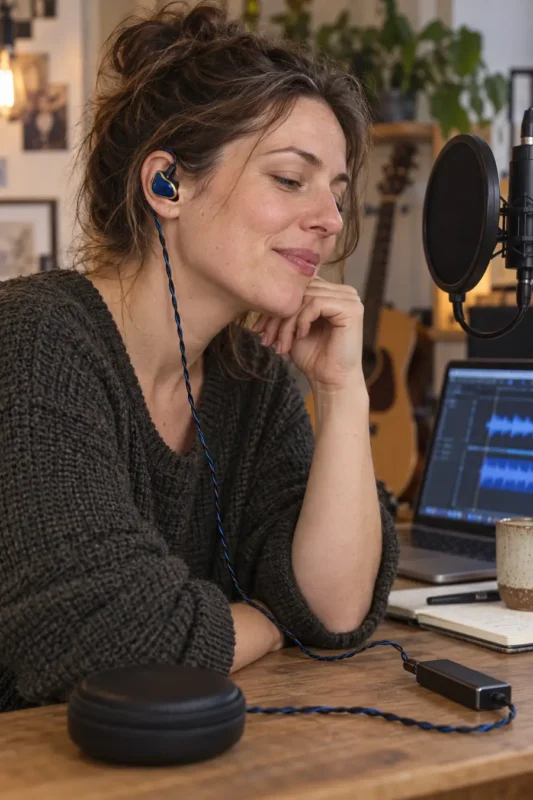 Writing music
 Mixing at home
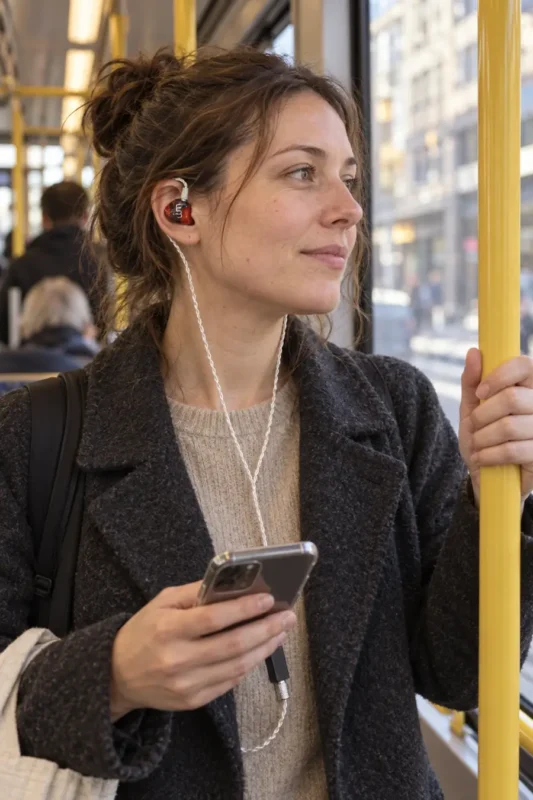 Daily commute
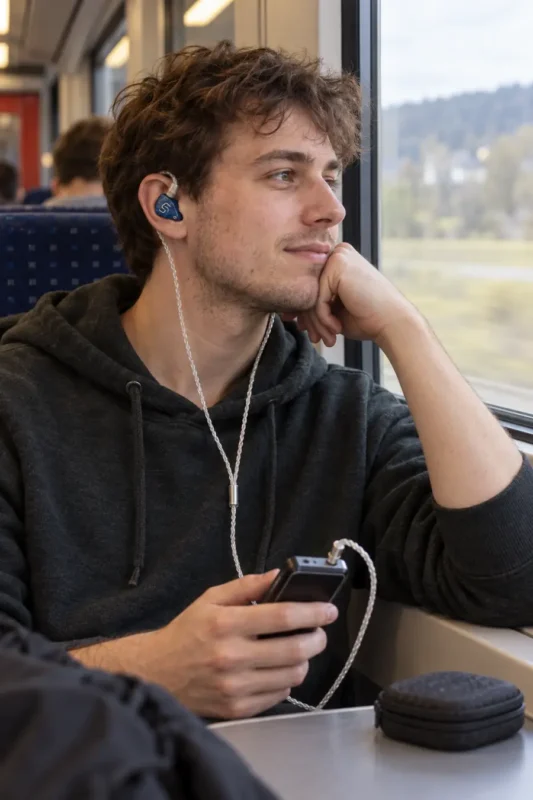 Long journeys
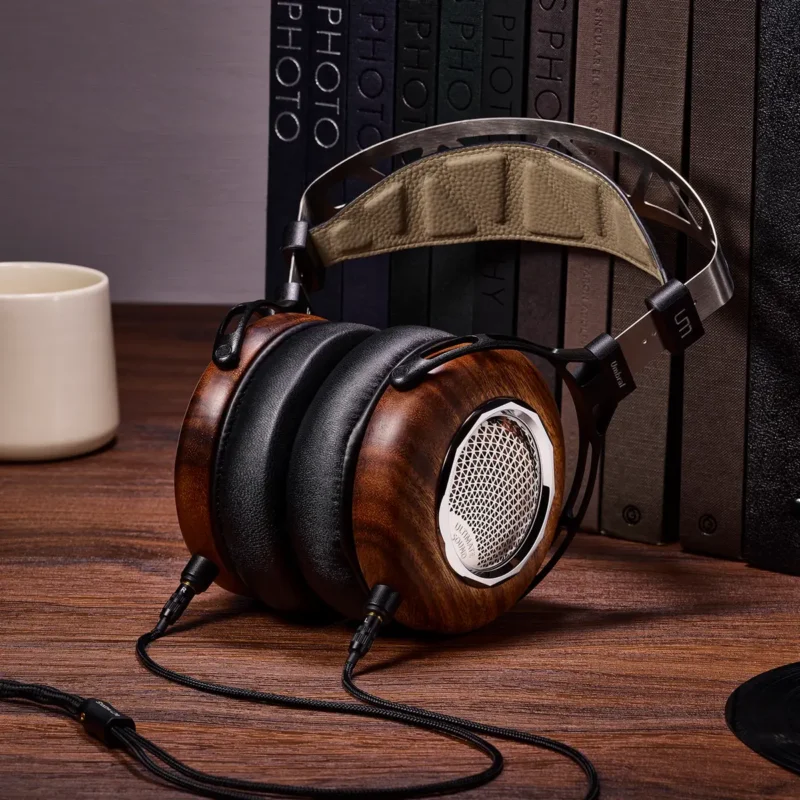 Listening at home

Typing, pen clicks and lunch eaten at the next desk can make a working day hard going. Here is a day plan with focus blocks, where to sit, and how to raise a reasonable adjustment in the UK.
Earplugs for misophonia
Do Earplugs Help With Misophonia? When to Wear Them and When to Take Them Out

13
Aug
Aug
An earplug turns every sound down for as long as it is in, but it does not change how you react to a sound. Here is when to put them in, when to take them out, and who to talk to in the UK.

11
Aug
Aug
An earplug makes chewing roughly 22 dB quieter, not silent. Here is how to pair it with the right seat and some background sound, wear it for the eating phase only, and take it out to talk.
Earplugs for misophonia
How Many Decibels Do Earplugs for Misophonia Need? Why the Highest Number Is Not the Best Choice

10
Aug
Aug
Trigger sounds are usually quiet, so a moderate rating of around SNR 24 is plenty. Here is what SNR 16, 24 and 30+ do to a 60 dB voice and a 45 dB chewing sound, and why the highest number can make a shared table harder.

28
Jul
Jul
Scripts for explaining misophonia to a partner, parent, flatmate, colleague or friend: name the sound, own the reaction and make one small ask, plus what to leave out of the conversation.

27
Jul
Jul
Quiet libraries make typing and sniffing stand out. Here is where the study hotspots are, how to use earplugs in timed 45–90 minute blocks and what JCQ rules say about earplugs in UK exams.
Earplugs for misophonia
Misophonia vs Hyperacusis vs Noise Sensitivity: Which Describes What You Notice?
21
Jul
Jul
Misophonia is about which sound it is, hyperacusis is about how loud everyday sound feels, and phonophobia is about fear of a sound. Here is how they differ, how they overlap, and where an earplug does and does not belong.

10
Jul
Jul
Misophonia and tinnitus can turn up in the same person, and they pull earplug use in opposite directions. Why the honest goal is quieter, not silent, and why the take-them-out rule counts twice.
Earplugs for misophonia
Is Misophonia Recognised in the UK? Where to Find Support on the NHS and Beyond

09
Jul
Jul
Misophonia has no stand-alone code in DSM-5 or ICD-11, yet NHS services name it and a 2023 UK study found a significant burden in 18.4 % of adults. Here is where recognised support sits, from your GP to Oxford Health’s specialist service and UK support groups.
Earplugs for misophonia
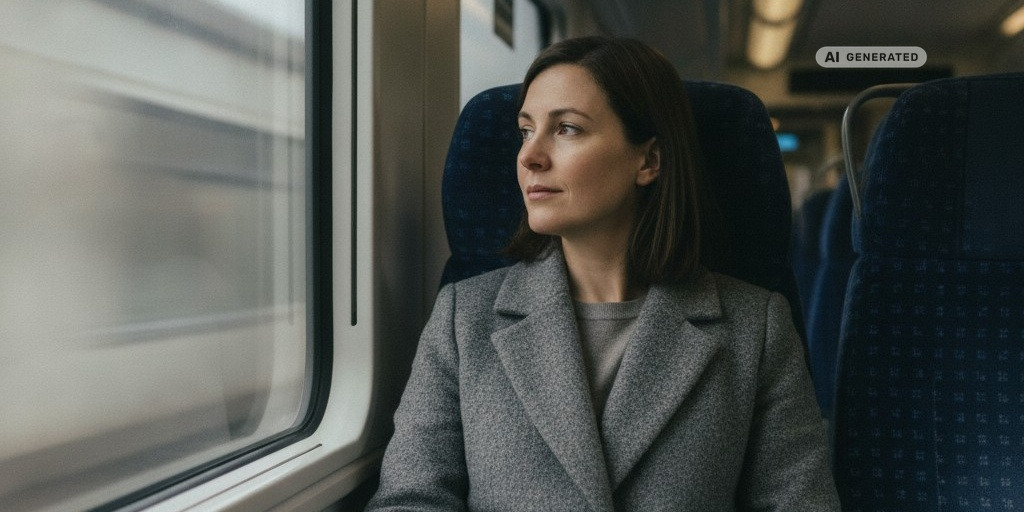
Misophonia on Public Transport: Trains, Buses and Flights With Trigger Sounds Around
07
Jul
Jul
Eating, sniffing and headphone leak hit harder in a carriage or cabin you cannot leave. Here is which tool fits which sound, where to sit on a train, bus or plane, and how long to keep earplugs in.
23
Jun
Jun
Six checks decide whether an earplug suits someone who finds certain everyday sounds hard to sit with: attenuation, fit and occlusion, material, discretion, cost per use and when to take them out. Here is how each one measures up, with real numbers.
Earplugs for misophonia
Misophonia Trigger Sounds: What They Are, How Loud They Are and What Earplugs Do With Them
30
Apr
Apr
Most misophonia trigger sounds are quiet, roughly 40–65 dB at 1 metre. Here is the frequency band and level of each common one, and what a passive SNR 24 earplug does to it, octave by octave.

28
Apr
Apr
Trigger sounds are reported more often by adults with ADHD or autism, but the link is an association, not a cause. Here is what the research shows, how misophonia differs from sensory overload, and what helps in each case.
27
Apr
Apr
Your own chewing gets louder with earplugs in because the seal traps sound that travels through your jaw and skull. Here is how depth, tip shape and the right size make it smaller, and when to simply take them out.

21
Apr
Apr
Misophonia often begins in childhood or the early teens, and the family table is usually where it shows first. Here is how UK parents can plan meals, siblings, school support and exams, and which earplug suits which age.
Earplugs for misophonia
Earplugs vs Noise Cancelling Headphones for Misophonia: Which Fits Which Situation?

20
Apr
Apr
Passive earplugs, noise cancelling headphones and masking audio each handle a crunch, a click and a drone differently. Here is which one suits the shared table, the desk, the library, the train and home.
17
Apr
Apr
Foam blocks the most sound but makes your own chewing louder inside your head, while reusable silicone leaves the room quieter but present. Here is how foam, silicone, wax and custom-moulded earplugs compare when certain sounds bother you.

16
Apr
Apr
Researchers and clinicians use a handful of validated misophonia questionnaires, from the 6-item Amsterdam scale to the 86-item Duke questionnaire. Here is what each one measures, who uses it, and why a score describes burden rather than giving a diagnosis.