

 Sleeping
 Concerts
 Motorcycle
 Swimming
 Work
 Kids

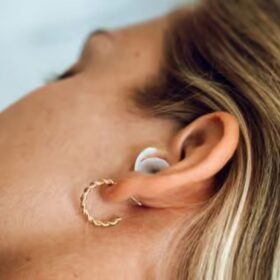

 On stage
 In the studio
 Rehearsals
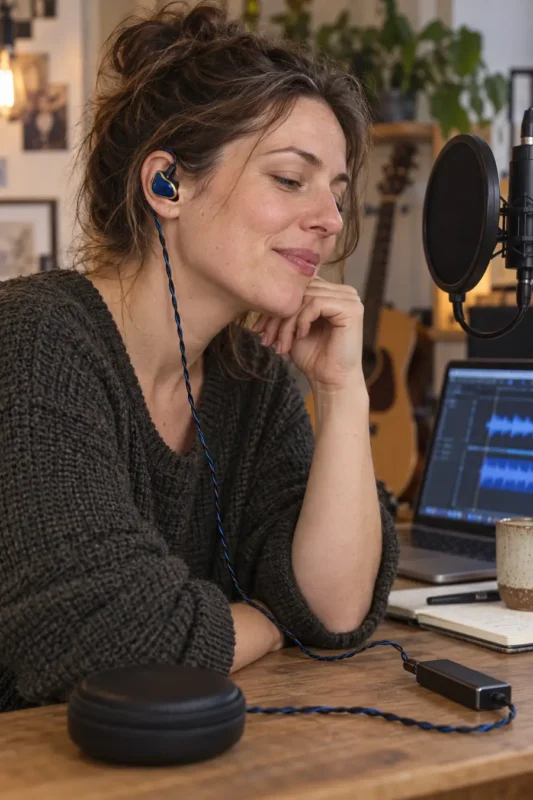 Writing music
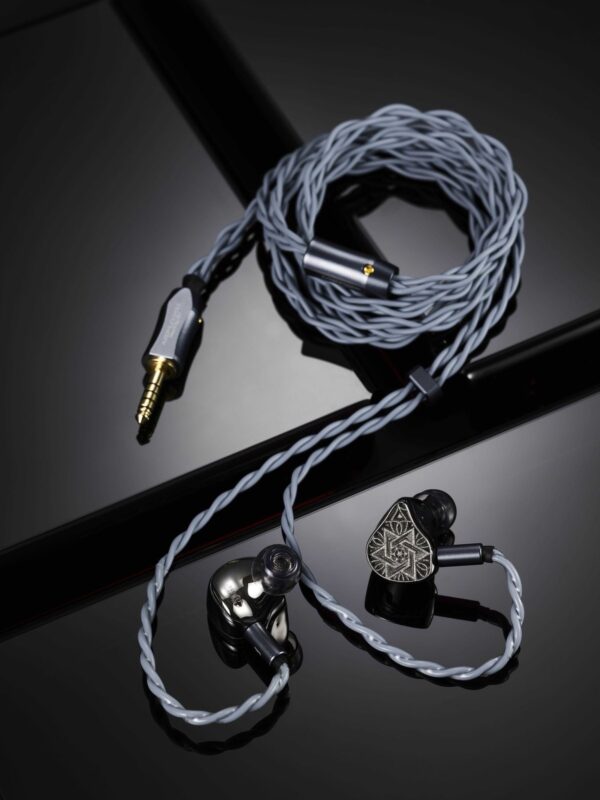 Mixing at home
 Daily commute
 Long journeys
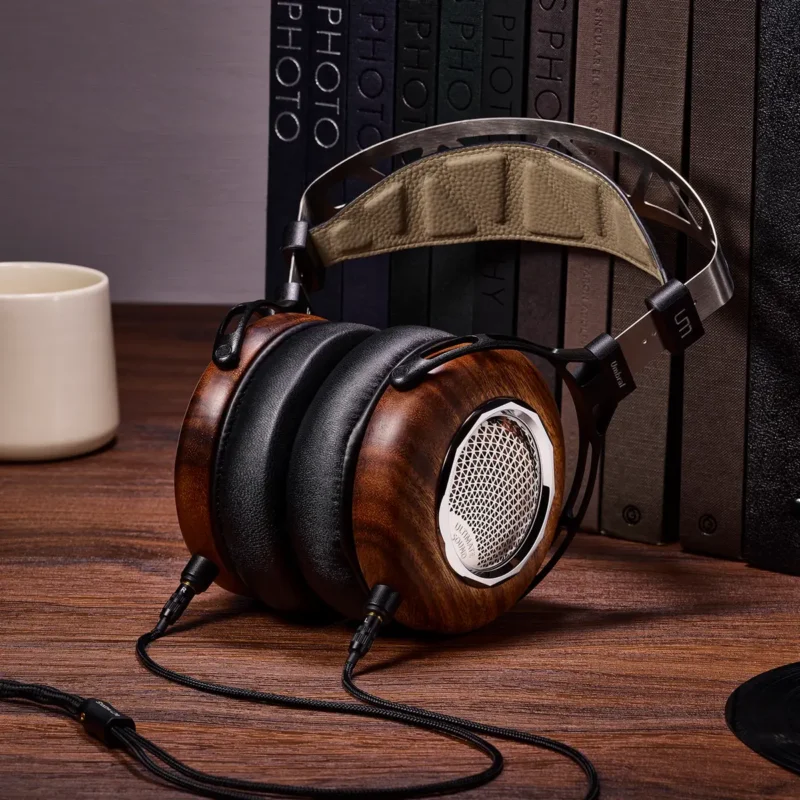 Listening at home

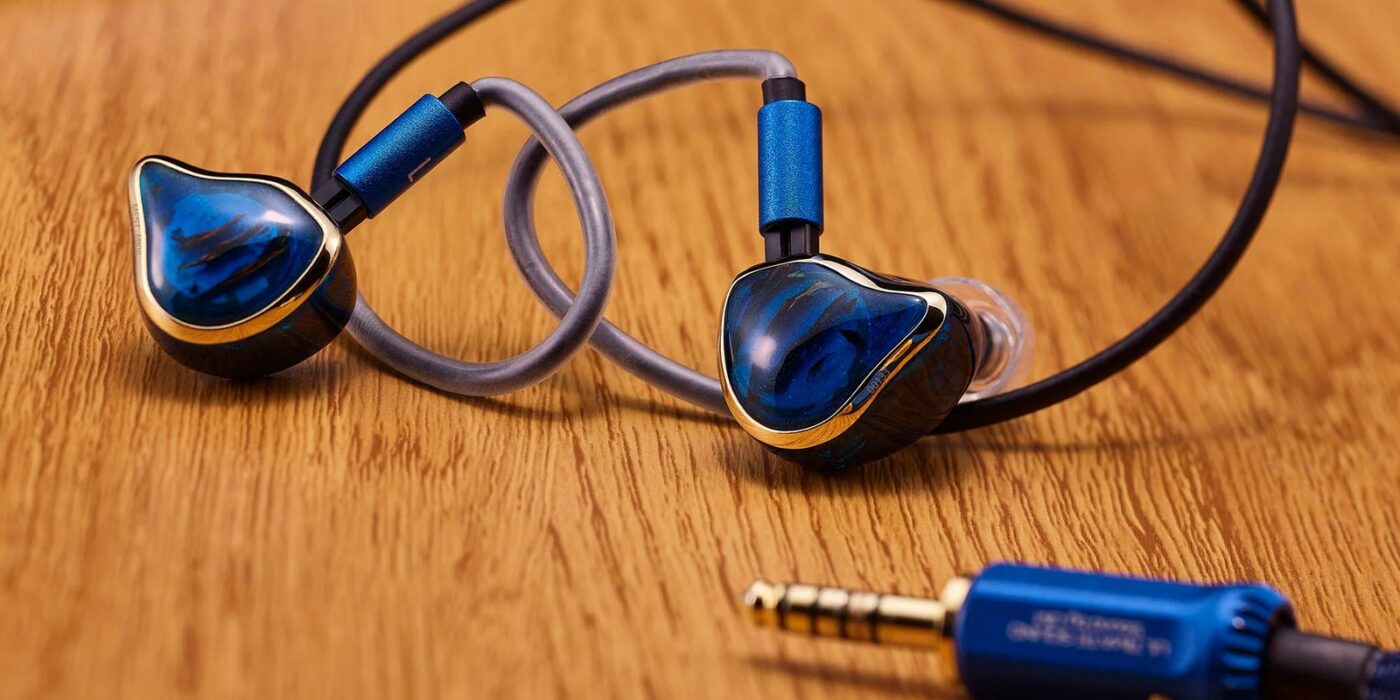
In-ear monitors make good everyday earphones once you know the trade-offs: the right adapter for your plug, no microphone on the stock cable, a case for the commute and a sensible volume.
01
Nov
Nov
An IEM frequency response graph shows how loud an in-ear monitor plays each frequency relative to the others, measured on an ear simulator. Here is how to read the axes, target curves and regions, why two graphs of the same IEM differ, and what no graph can tell you.
01
Nov
Nov
Impedance and sensitivity tell you how easily an IEM is driven, but only if you read them together and check the unit behind the dB. Here is what the figures on our Unique Melody product pages mean for phones, dongles, output impedance and hiss.
01
Nov
Nov
One well-tuned dynamic driver can be enough, and 13 drivers can share just five bands. We explain what extra drivers and crossovers change, what they cost you and how to read a driver list, using the Unique Melody range from 1 driver per side to 13.
01
Nov
Nov
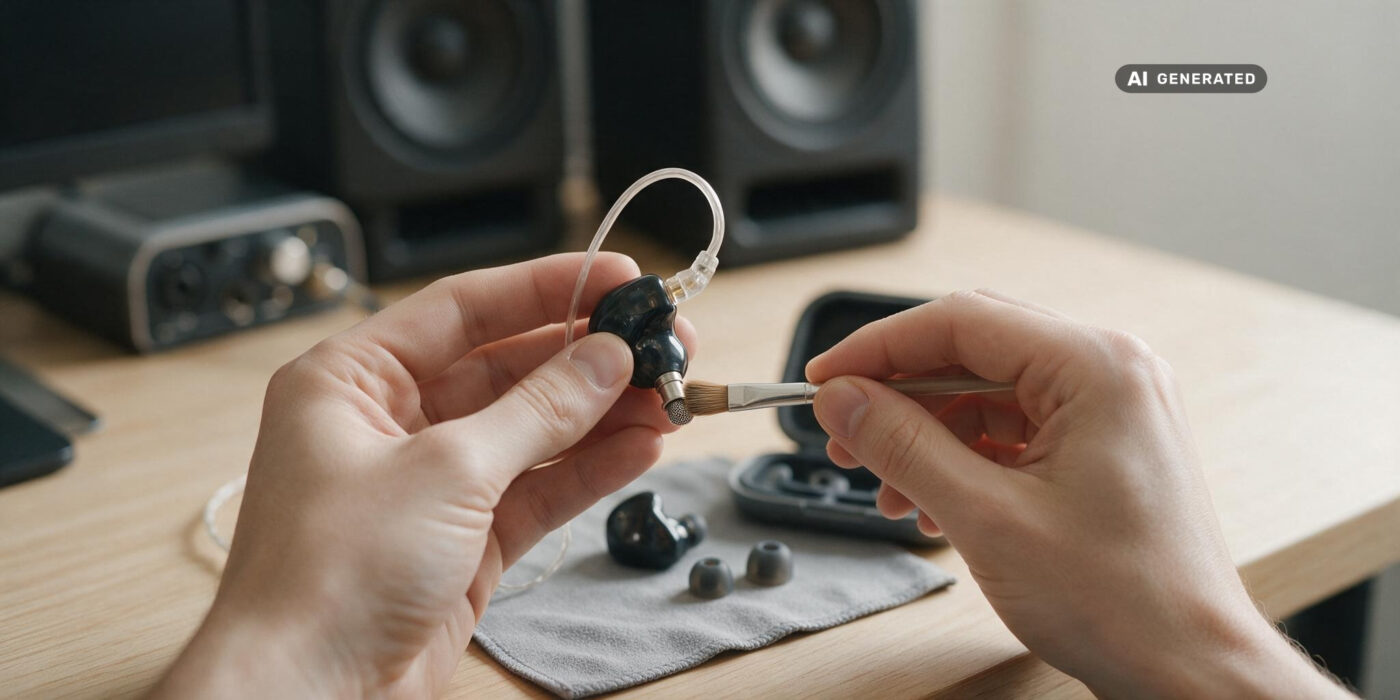
A six-step routine for cleaning in-ear monitors: dry tools at the nozzle, washed silicone tips, a dry wipe for the shell and a moisture check on the 2-pin sockets, plus how often to do it and why tips are best kept to yourself.

31
Oct
Oct
Sore ears, IEMs that slip out, a pressure feel and a booming own voice each have a different cause. Match your fit problem to the first thing to try, and see when a custom shell makes sense and when it does not.

31
Oct
Oct
How DJs cue with in-ear monitors instead of headphones: split cue and the MIX knob, what pulling one in-ear out costs in volume, the plug and cable for a DJ mixer, tips for a long set, and three Unique Melody IEMs at £279, £359 and £989.

31
Oct
Oct
How bass players and guitarists adapt to in-ear monitors: getting the low end back with a deep seal and dynamic drivers, amp in the room or direct, timing cues in the mix, and which Unique Melody IEMs suit string players from £359.
31
Oct
Oct
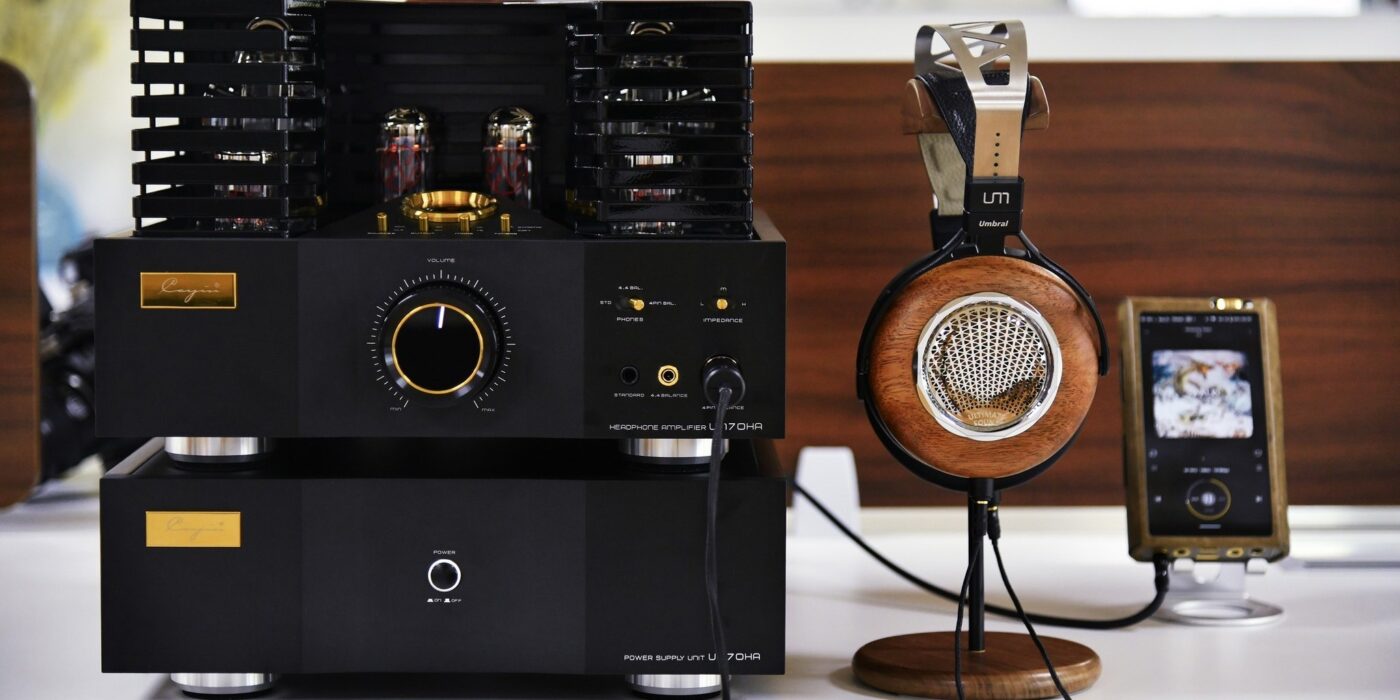
IEMs seal out noise and fit in a pocket; open-back headphones sound more spacious but need a quiet room and often a proper amp. Here is how they compare for listening, mixing and the stage.
30
Oct
Oct
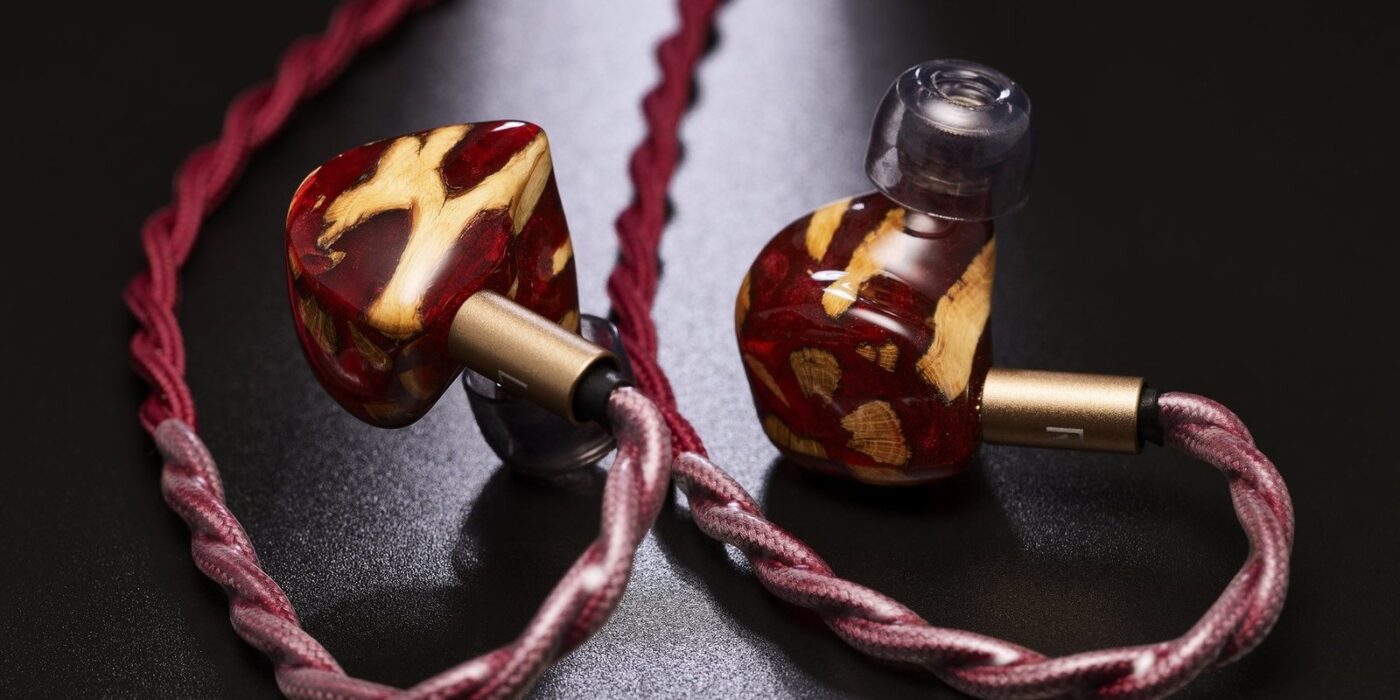
Custom in-ear monitors start with ear impressions or a 3D ear scan taken by a hearing specialist near you. Here is where to go in the UK, what to say when you book, how to prepare your ears and what happens after you send them to us.

30
Oct
Oct
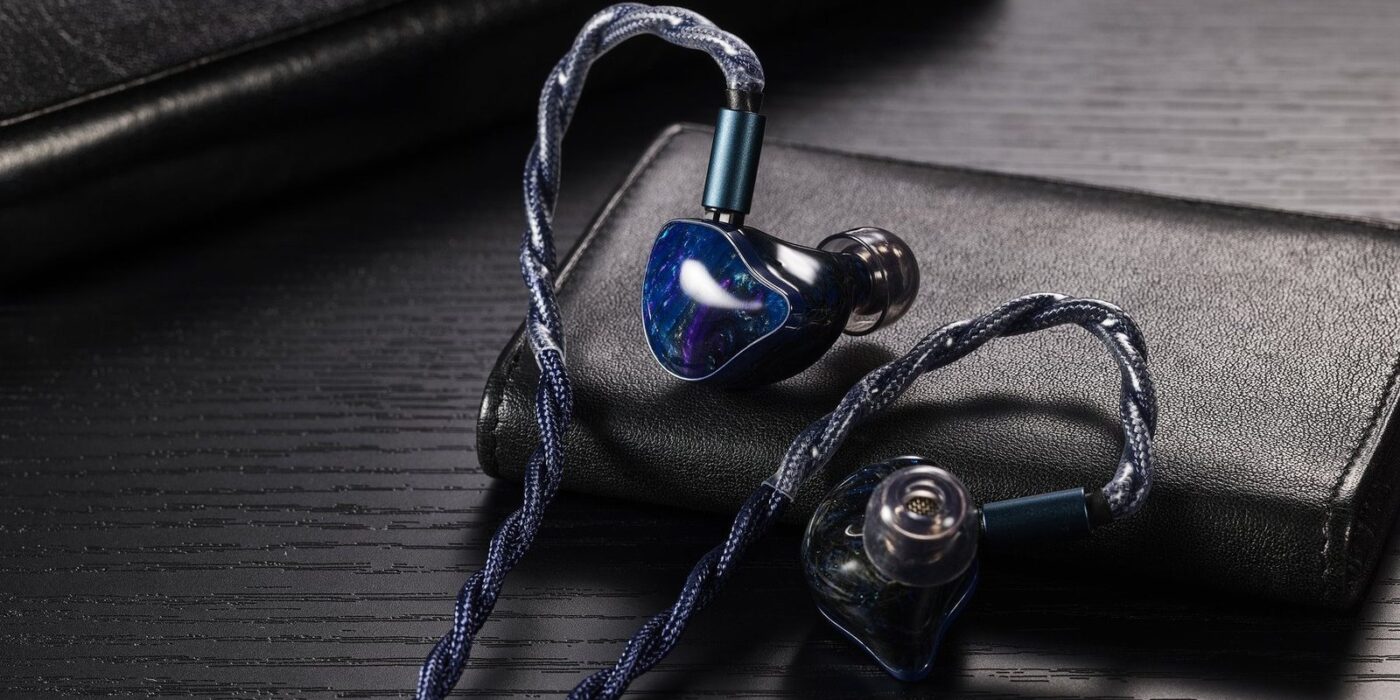
Wireless in-ear monitoring changes the link between the mixing desk and your belt, not the earphones. Here is how wired and wireless set-ups compare on stage, what UK licensing covers, and which IEMs plug straight into a bodypack.
30
Oct
Oct
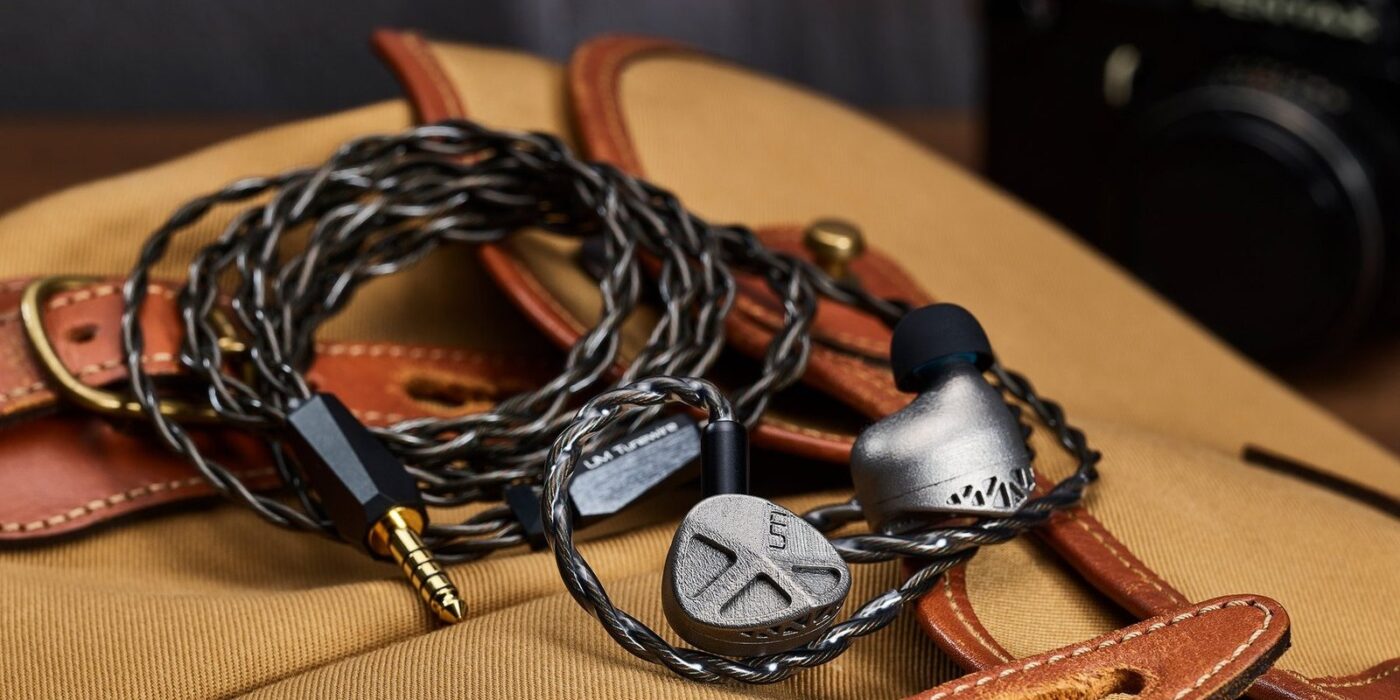
Every Unique Melody IEM uses a detachable 2-pin cable, but not every 2-pin cable fits every IEM. Here is how 2-pin and MMCX differ, what pin size and housing shape mean, what the wire is made of, and when a replacement makes sense.
30
Oct
Oct
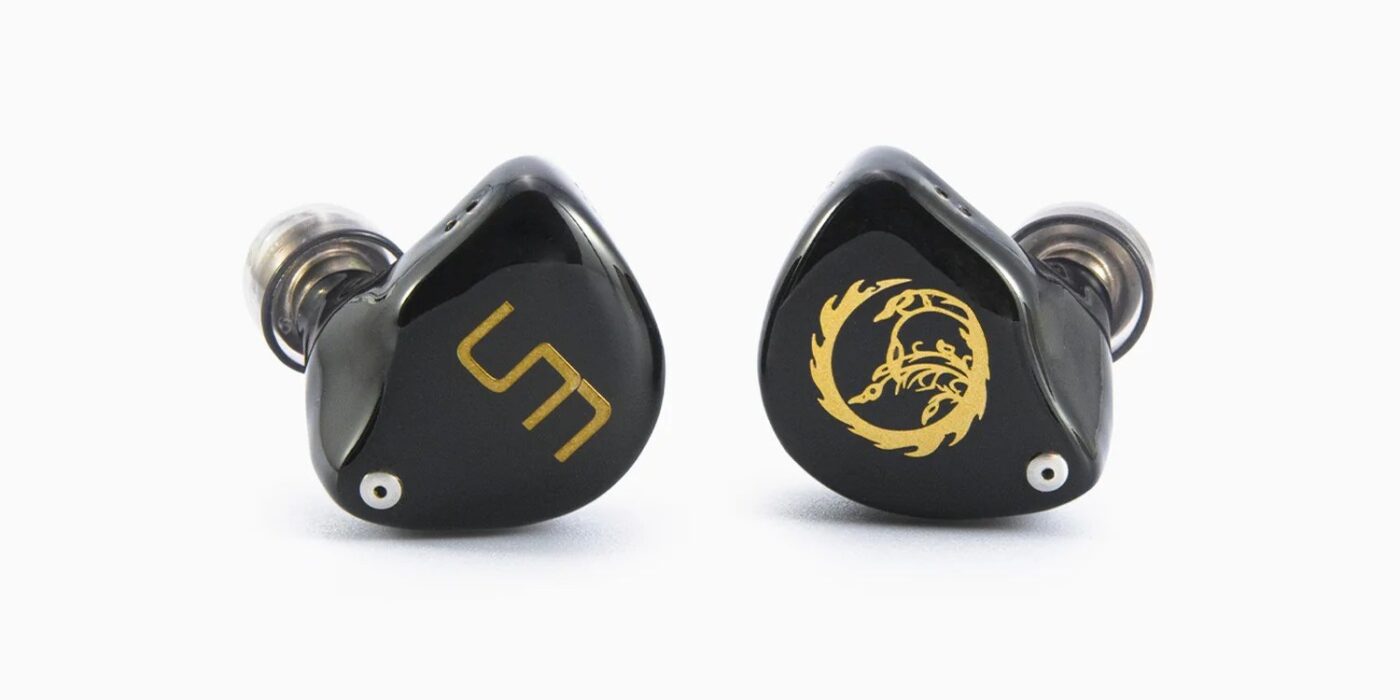
The plug on an IEM cable is mostly a compatibility choice, not a sound upgrade. Here is how 3.5 mm, 4.4 mm and 2.5 mm plugs are wired, what balanced really changes, which adapters work, and which plug to order for your source.
29
Oct
Oct
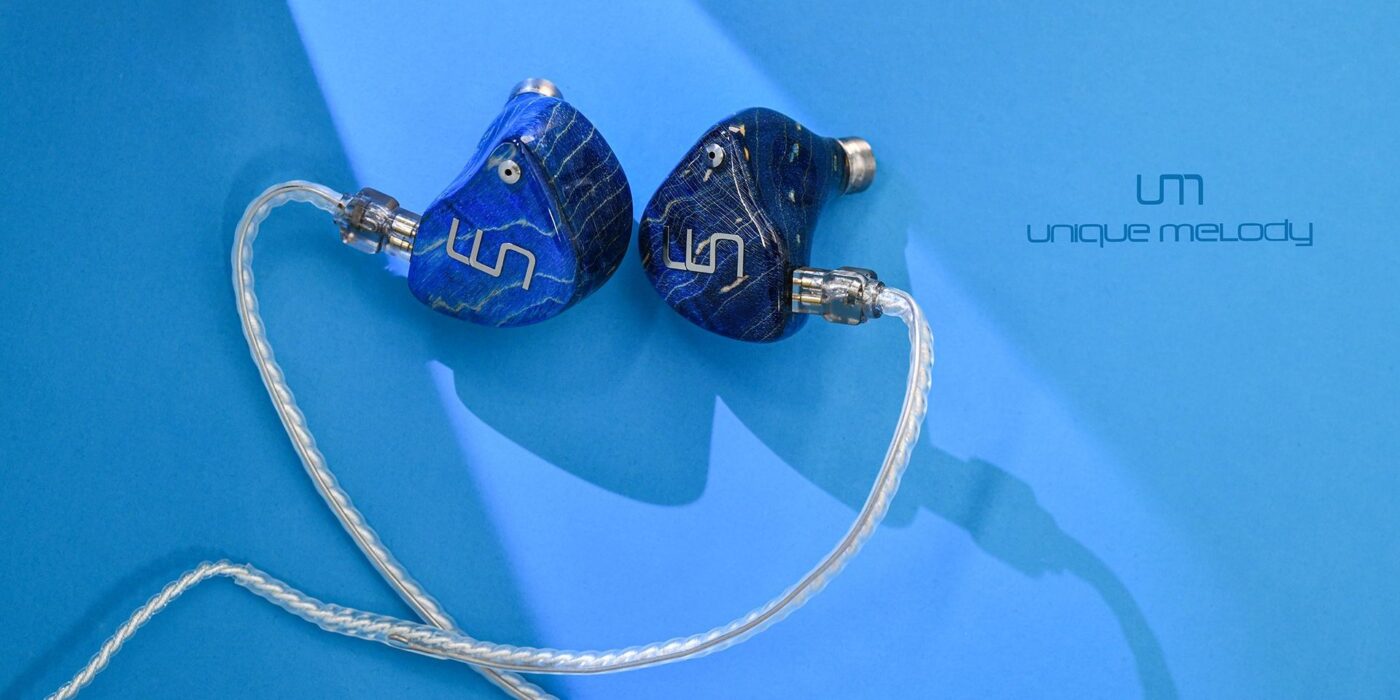
Some in-ear monitors add a bone-conduction driver that vibrates the shell rather than moving air. Here is how it works, which Unique Melody models use which type, and what reviewers from Ear Fidelity to Crinacle actually report.
29
Oct
Oct
An in-ear monitor turns a signal from a phone or a stage pack into sound through a crossover, drivers, sound tubes and a nozzle. Here is each stage in plain English, and why the seal decides how much bass you hear.

29
Oct
Oct
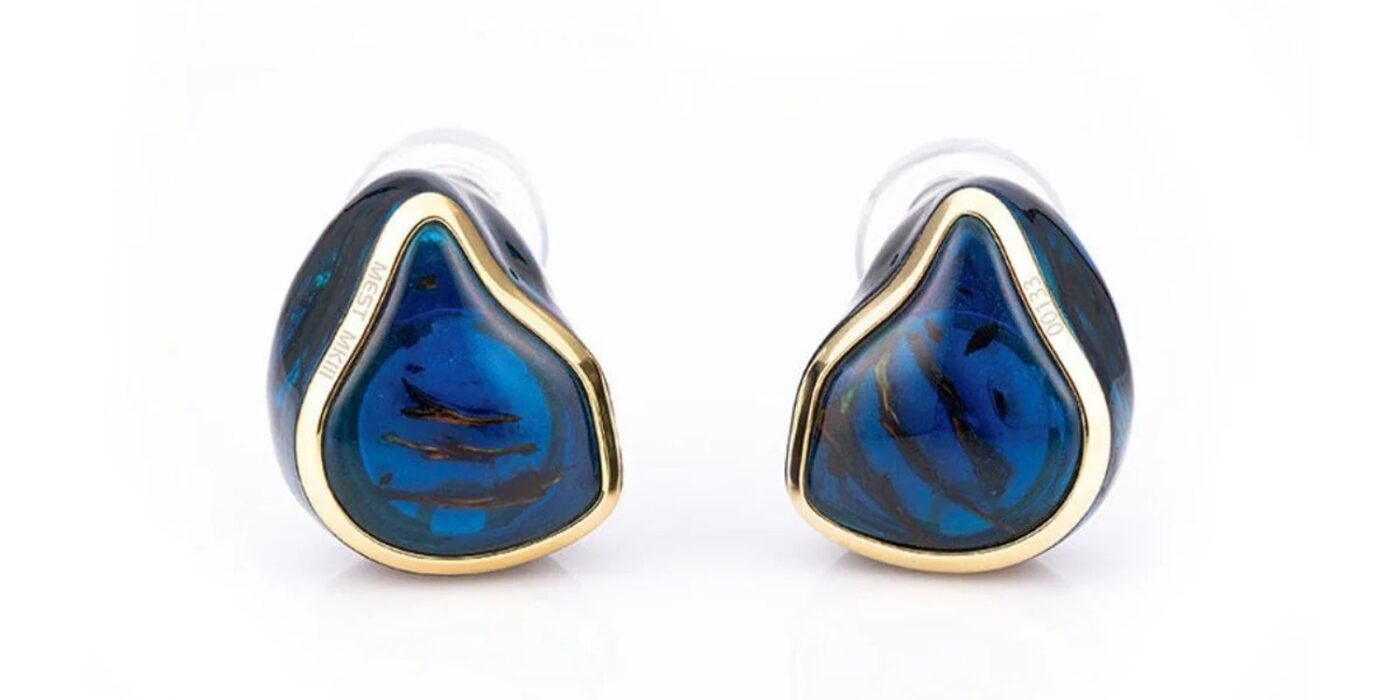
Cable over the ear, a gentle twist in, a seal you can hear in the bass and the shell in your fingers when they come out. Here is how to wear in-ear monitors step by step, with universal and custom shells.
29
Oct
Oct
Our Unique Melody range runs from £179 to £7,649, and good mass-market pairs start well under £100. We explain what each price tier adds in drivers, shells, plugs and fit, what a UK price includes, and where diminishing returns start for most listeners.

28
Oct
Oct
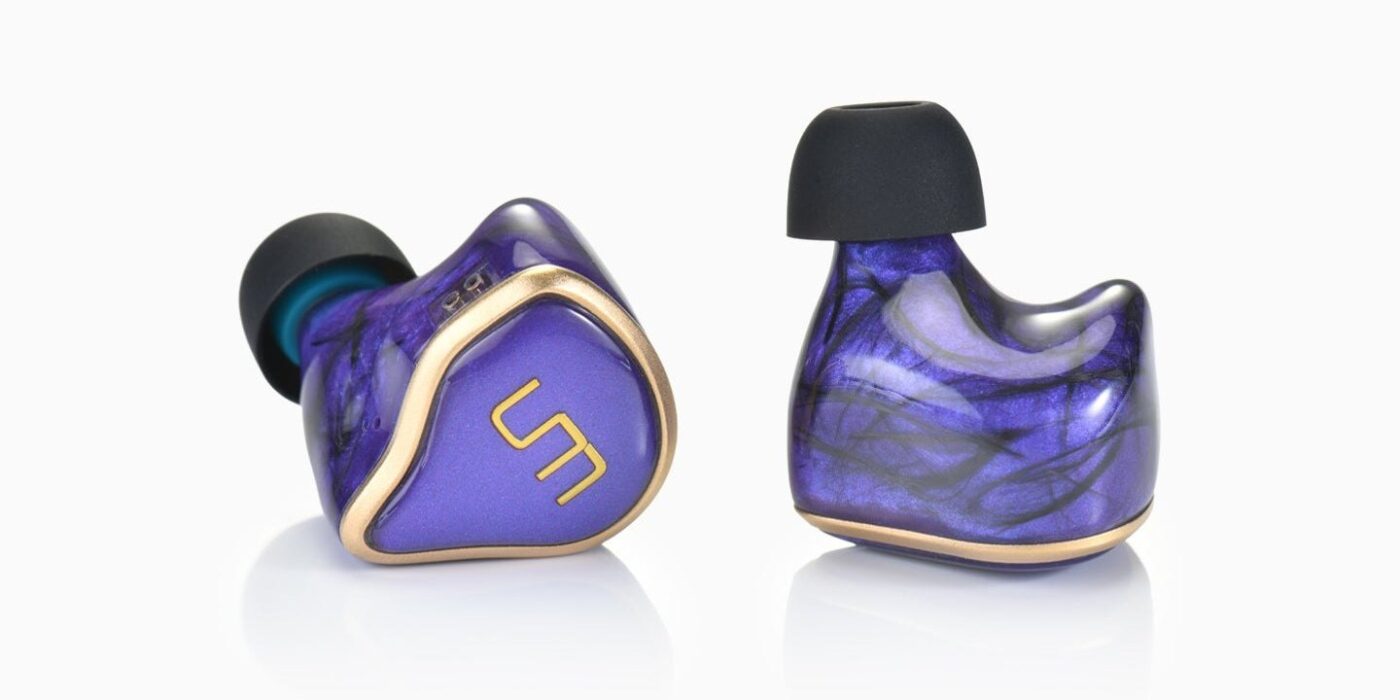
What drummers need from in-ear monitors: a click-first mix, a deep seal that survives sweat, a wired belt pack behind the kit, honest answers on feeling the kick, and which Unique Melody IEMs suit drummers at £359, £719 and £989.
28
Oct
Oct
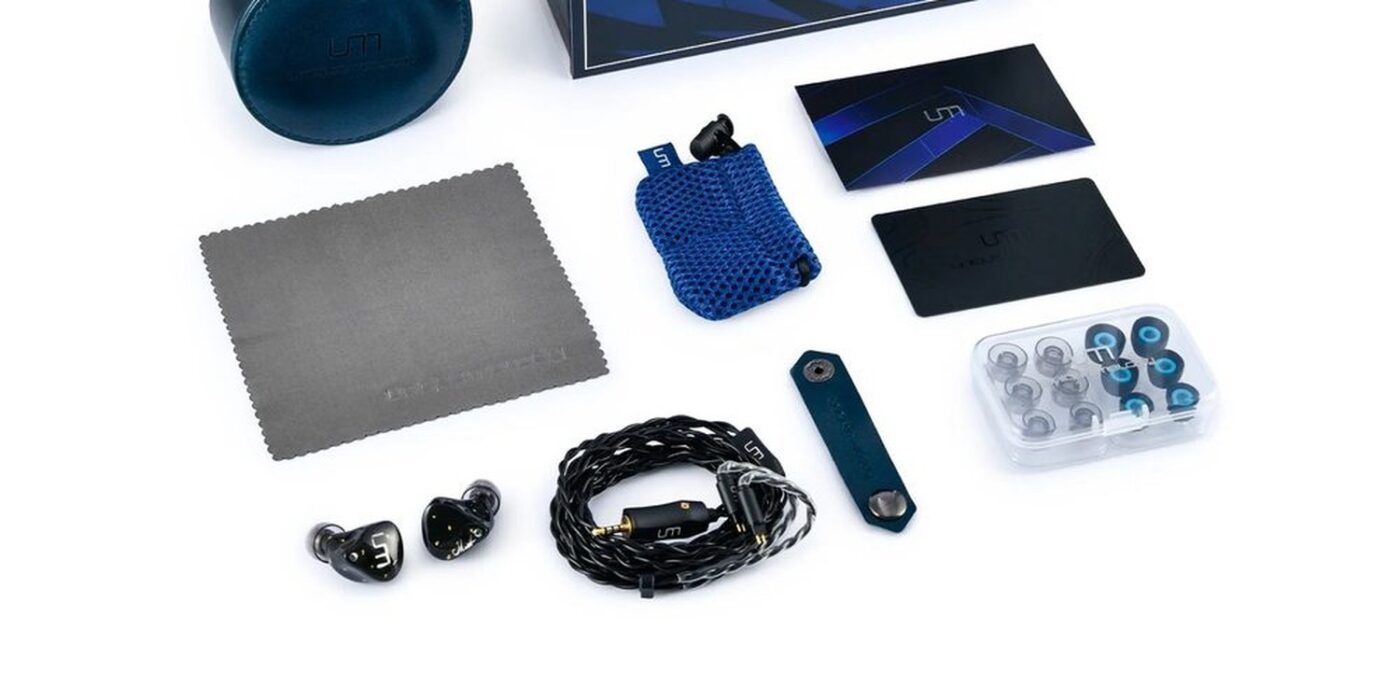
Unique Melody makes twelve in-ear monitors, from a one-driver model at £179 to a 13-driver flagship at £7,649. We put every model in one table and sort them by what you want: a first pair, felt bass, extra treble air, a MEST, a custom shell or the right plug.
28
Oct
Oct
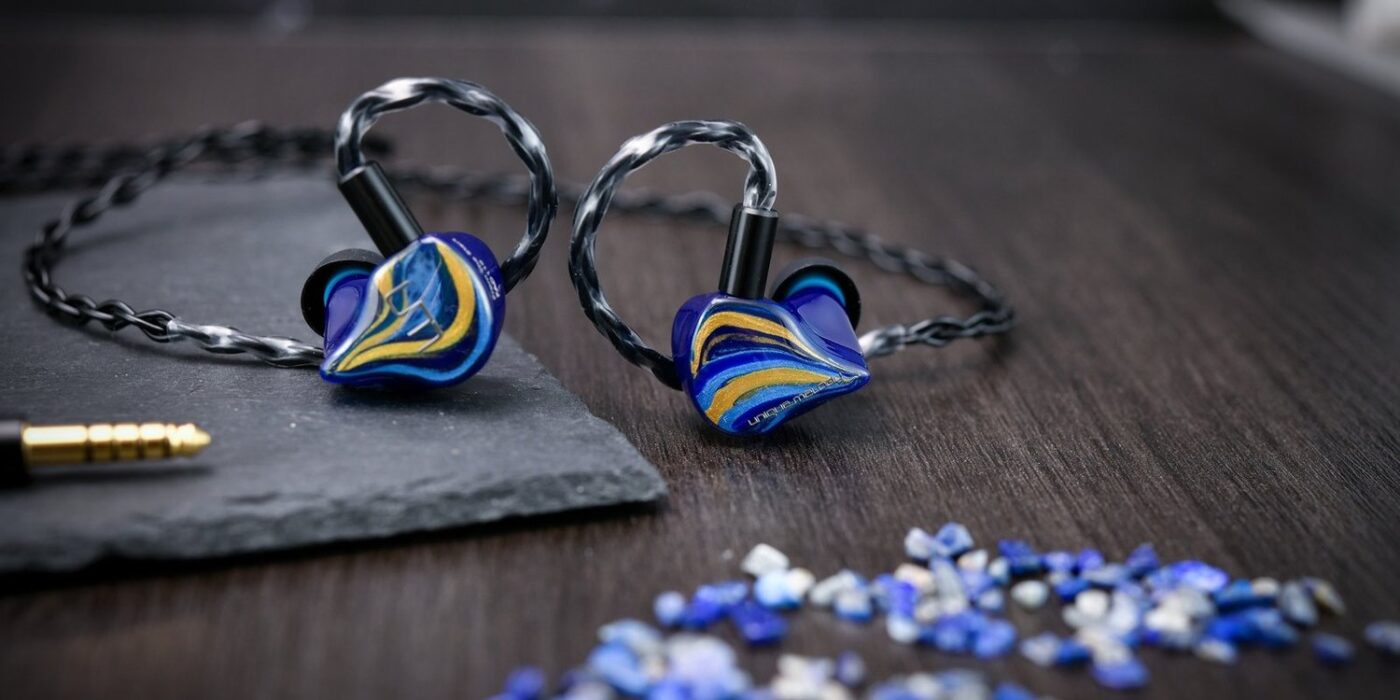
The ear tip decides how an IEM seals, and the seal decides the bass, the comfort and how loud you need to play. Here is how silicone, foam and hybrid tips differ, what bore width and size change, how to test the seal and which tips come in each Unique Melody box.
28
Oct
Oct
Most IEMs play happily from a phone or a small dongle DAC. Here is when that is enough, when a 4.4 mm plug or audible hiss means you need a different source, and why a separate amp is rarely part of the answer.
In-ear monitors
IEM Driver Types Explained: Dynamic, Balanced Armature, Electrostatic and Bone Conduction
27
Oct
Oct
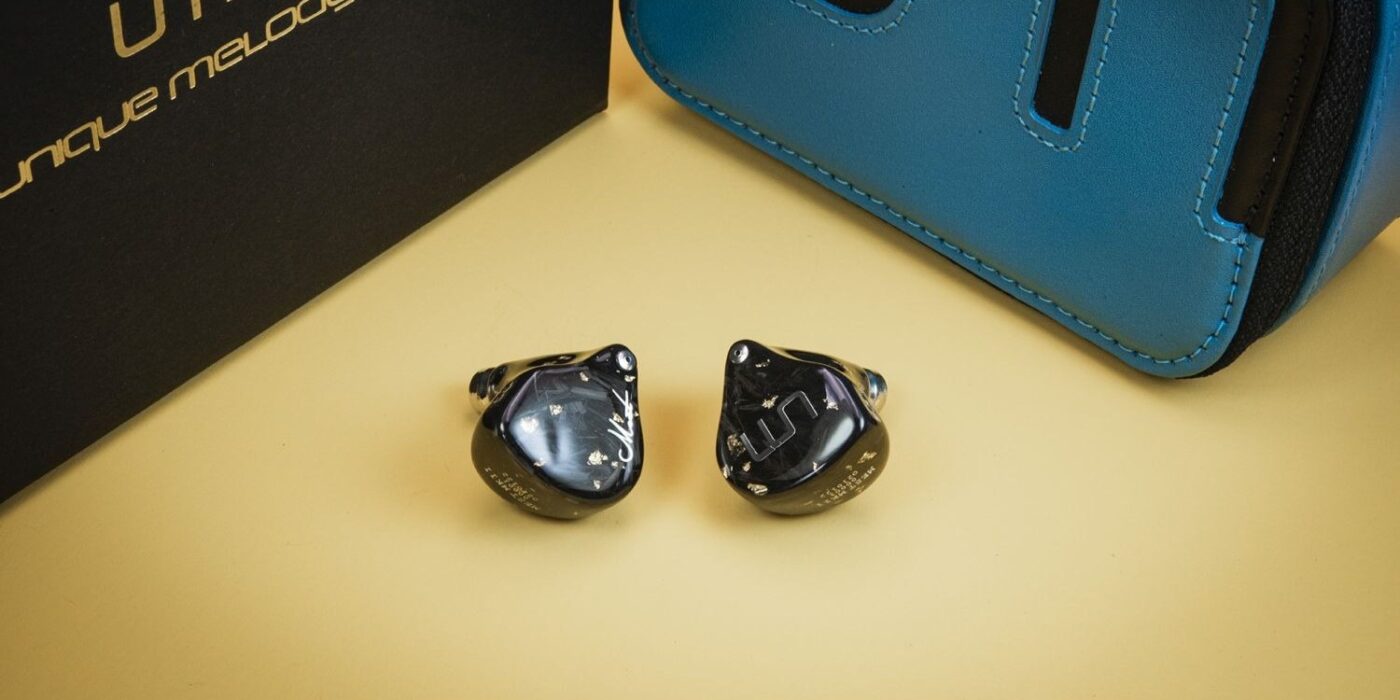
Dynamic drivers move air, balanced armatures came from hearing aids, electrostatic tweeters handle the top octaves and bone-conduction drivers work through the shell. Here is what each IEM driver type does, what hybrid and tribrid mean, and where each one sits in the Unique Melody range.

27
Oct
Oct
Three Unique Melody IEMs sit under £500: From The Start at £179, the hybrid 2HT at £279 and the all-dynamic 3DT at £359. Here is what each one gives you, which suits a phone, and when it makes sense to spend more.

27
Oct
Oct
Universal IEMs seal with ear tips and ship in 5–7 working days; custom IEMs are built from a 3D ear scan or ear impressions and arrive 3–4 weeks later. We compare seal, comfort, sound, price, returns, resale and refits.

27
Oct
Oct
What singers need from in-ear monitors: their own voice on top with one pitch reference, a seal that holds while they sing, ambience instead of one ear out, and which Unique Melody IEMs suit vocalists at £359, £989 and £1,729.

26
Oct
Oct
No. In-ear monitors are not hearing protection by design. Here is what a good seal really changes, what the AES study measured on stage, why one ear out pushes the volume up, and what to wear for load-in, side-stage and the crowd.

26
Oct
Oct
IEMs seal inside the ear canal, earbuds usually rest in the outer ear, and “earphones” is the British umbrella term for both. Here is how seal, drivers, cables, wireless and price compare, and which type suits stage use, commuting or critical listening.

26
Oct
Oct
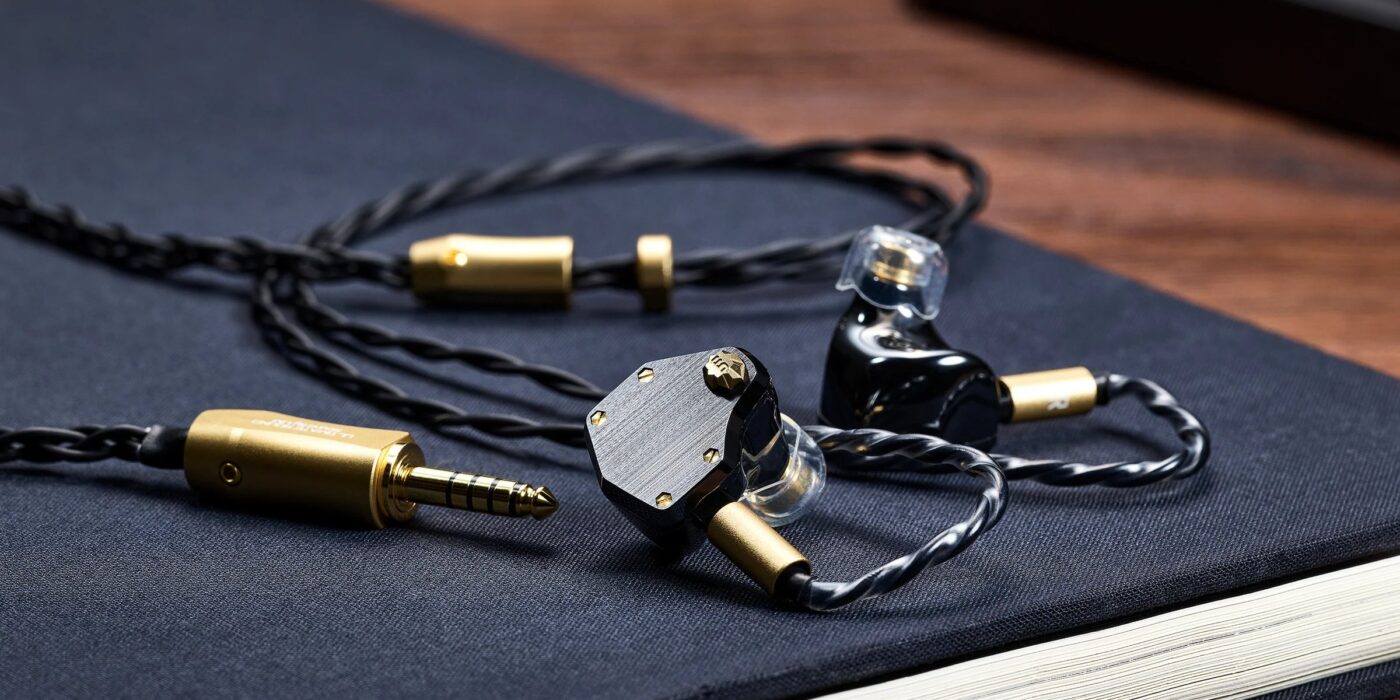
How working musicians choose in-ear monitors for the stage: the seal, shell, cable and plug that matter, when custom fit earns its £300, which Unique Melody tier suits each role, and how to set up a mix you can actually play to.
26
Oct
Oct
Fit and seal decide how an IEM sounds before drivers do, and the plug decides whether it works with your phone. Here are the checks that matter, with every Unique Melody model priced in pounds incl. VAT, from £179 to £7,649.