
 Sleeping
 Concerts
 Motorcycle
 Swimming
 Work
Work Kids
Kids

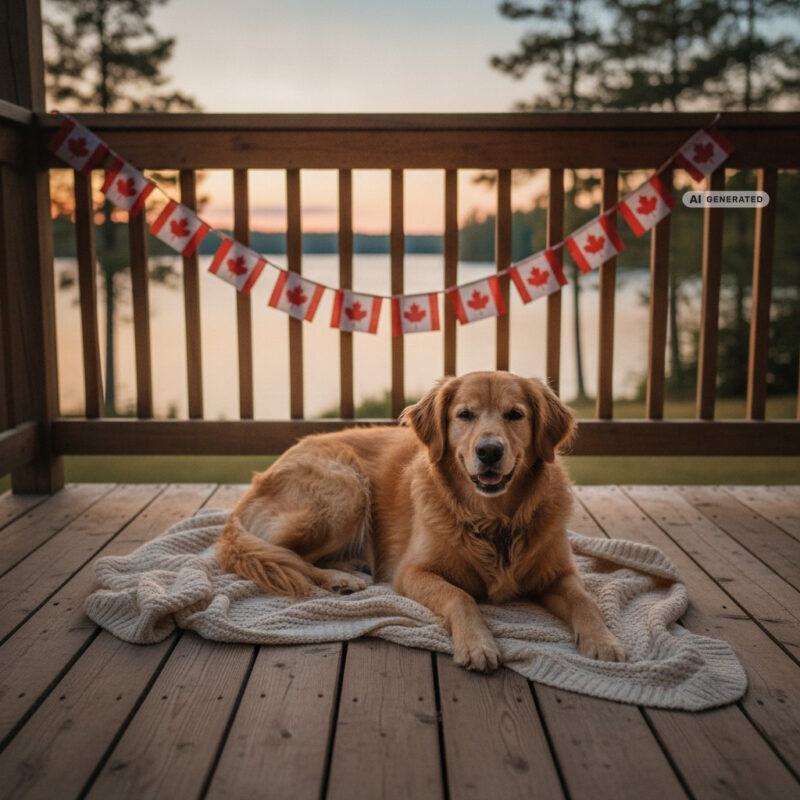
A two-week plan for Canada Day fireworks and dogs, from practice sessions in mid-June to the 4 July spill-over, with city bylaws, July storms and ear muff wear limits.
30
Sep
Sep
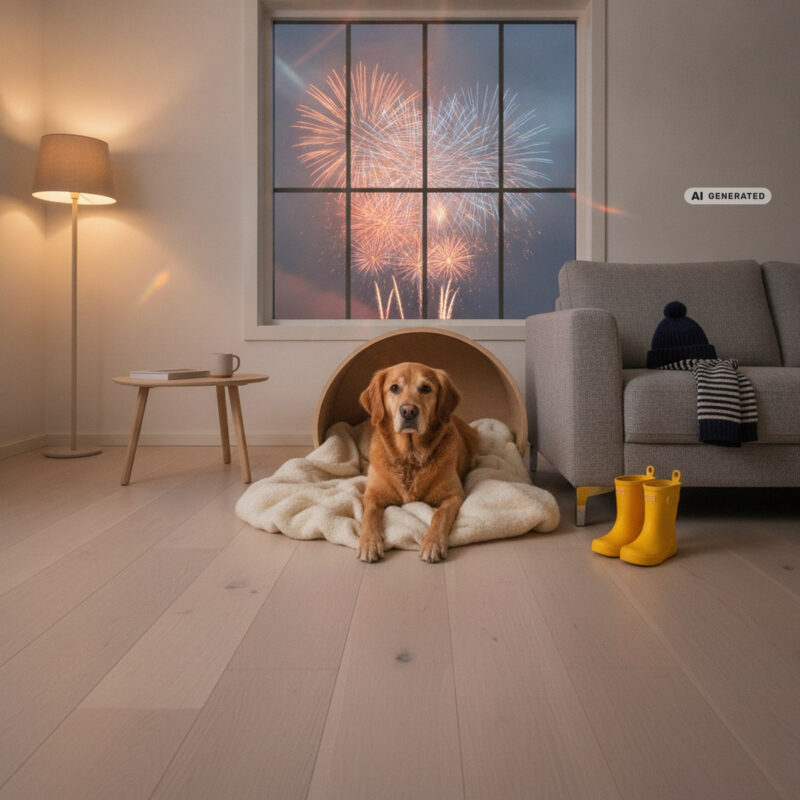
One fireworks evening, three sets of ears: a household timetable for the child at the display, the dog at home and the parent who still has to sleep once the bangs carry on past the display.
29
Sep
Sep
A clock-based New Year’s Eve plan for dogs, from the afternoon walk and an early dinner to a den ready by 11 pm, the midnight peak, the quiet hour after and what to do if you are away from home.
28
Sep
Sep
A week-long 4th of July plan for dogs, from microchip checks and a cool morning walk to a den with ear muffs before dusk, an escape-proof yard and what to do if your dog gets out.
27
Sep
Sep
We make ear muffs for dogs, not cats, and we will not tell you to put ours on your cat. Why cat ear defenders rarely work, why nothing should go in a cat’s ear, and what helps a cat feel safer during fireworks.
Dog Hearing Protection
Dog Ear Protection for Flying and Travel: Cabin, Car, Sidecar and Festival Noise
26
Sep
Sep
How loud a plane cabin, a car, a motorcycle sidecar and a festival really are for a dog, which UK flight rules decide where ear muffs can be used, and why muffs lower noise but never ear pressure.
25
Sep
Sep
A five-night pacing plan for Diwali with dogs, covering when the fireworks stop in the UK, India and Canada, how long a dog can wear ear muffs each night and when to call the vet.
Dog Hearing Protection
Halloween With Dogs: A Plan for the Doorbell, the Front Door and the Fireworks
24
Sep
Sep
Halloween with dogs means two problems in one evening, the front door and the fireworks. Here is how to set up your home, stop door-dashing and make 31 October your dog’s first real wear of ear muffs.

23
Sep
Sep
How loud jackhammers, drills and nail guns are, how to plan your dog’s day around a building site’s loudest hours, and why ear muffs belong to the worst bursts rather than the whole day.
Dog Hearing Protection
Bonfire Night and Dogs: A UK Countdown Plan, From Two Weeks Out to the Morning After
22
Sep
Sep
A dated UK countdown for Bonfire Night with dogs, from two weeks out to the morning after, with the fireworks curfews and sale window that tell you which nights will be loudest.
Dog Hearing Protection
Ear Protection for Police and Military Dogs: What Units Use and Where Muffs Fit
21
Sep
Sep
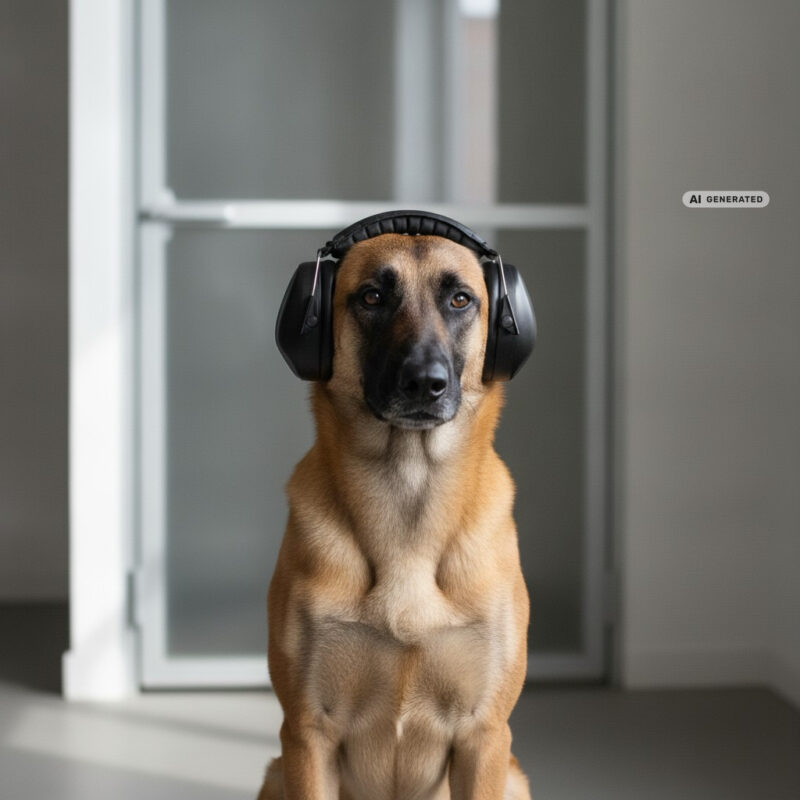
Military and police dogs face helicopter cabins, loud kennel blocks and training ranges. Here is what units actually use, what a flight does to a dog’s hearing, why many forces keep ears bare on deployment and where a passive over-ear muff honestly fits.
20
Sep
Sep
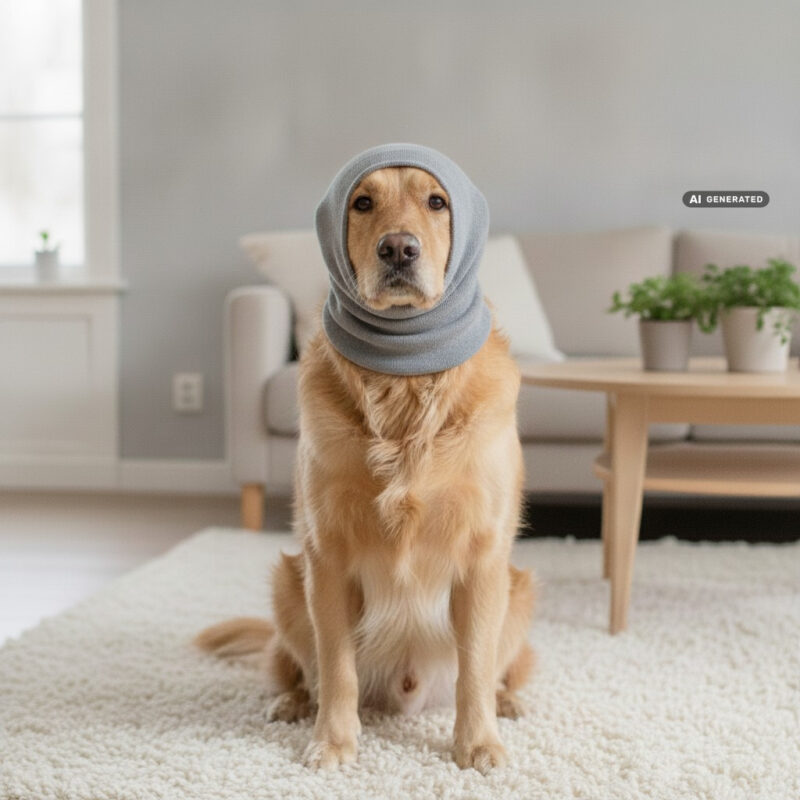
A sock or fleece tube over a dog’s head keeps the ears flat but cannot seal, so it blocks little sound. What homemade covers are good for, the chewing and heat risks, and what to do if fireworks start tonight.
19
Sep
Sep
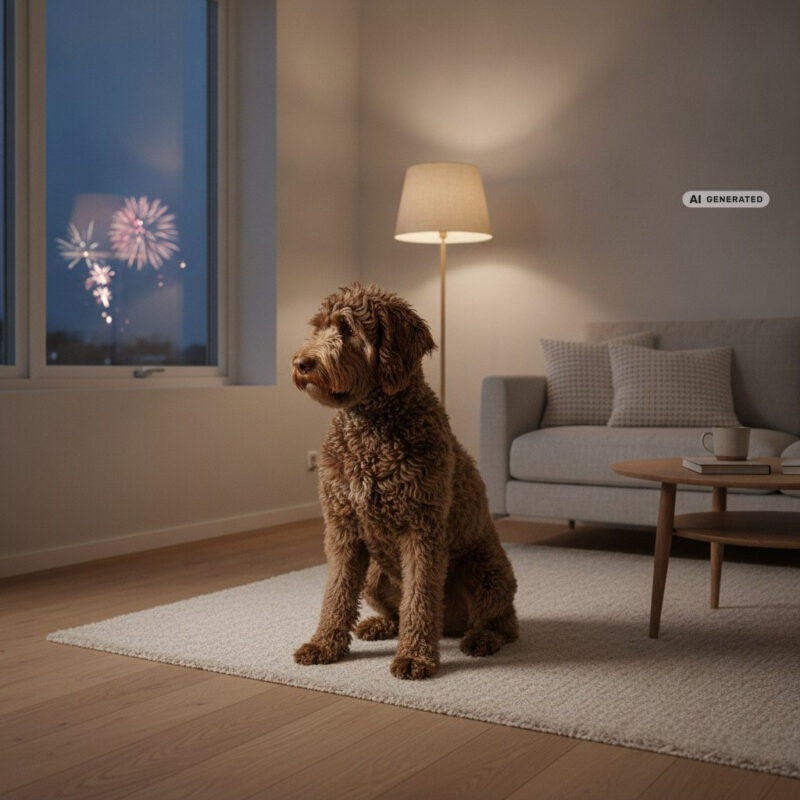
Three Nordic studies of more than 18,000 dogs found clear breed differences in firework fear, from the Norwegian Buhund and Lagotto Romagnolo at the top to the Labrador and Boxer near the bottom. Here is what each study found, what else shapes fear, and how breed affects ear shape and ear muff size.
18
Sep
Sep
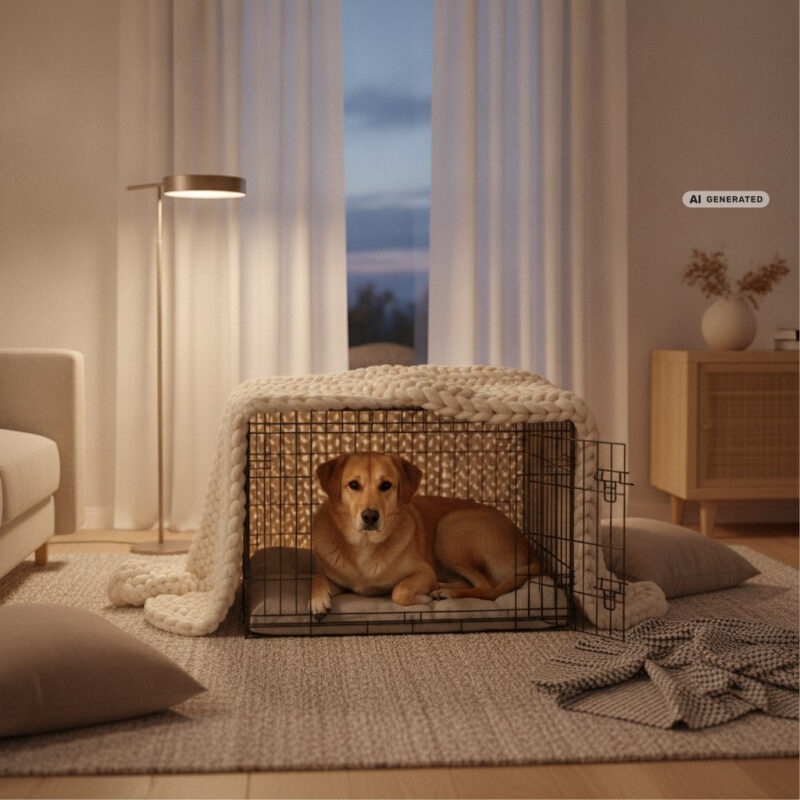
Ear muffs, snoods, pressure wraps, training and vet-led options each work in a different way, and only one reduces the sound reaching your dog’s ears. Here is what each does, what it costs and which ones combine.
17
Sep
Sep
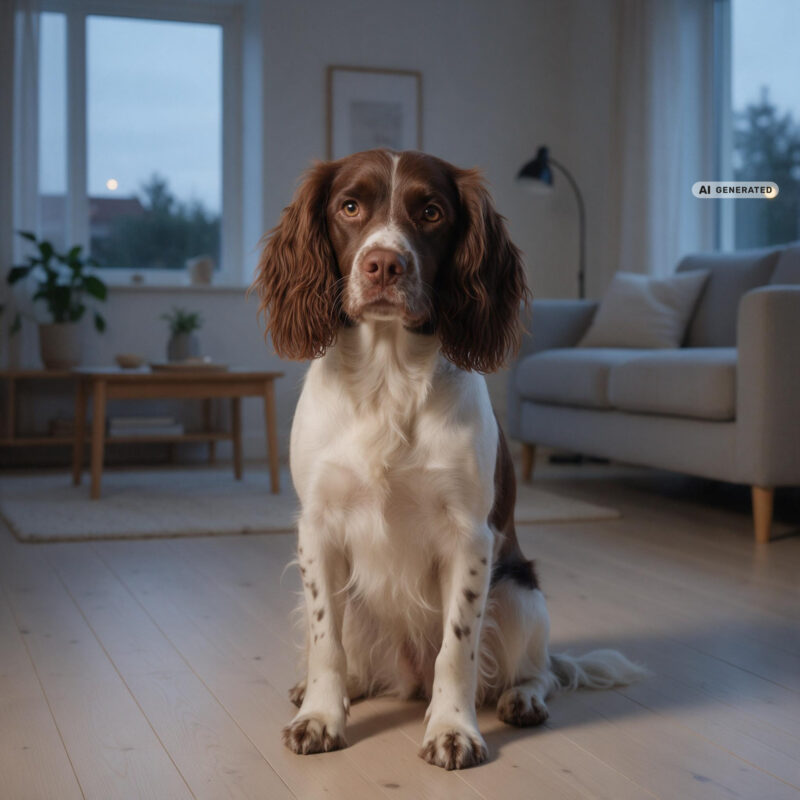
A dog’s ear canal drops down and then turns inwards, so earplugs either fly out at the first head shake or get pushed towards the bend. Why plugs, cotton wool and human ear defenders fall short, and what fits a dog instead.
16
Sep
Sep
A dog that sleeps through the doorbell or startles at a touch may be losing its hearing. Here are the six signs to watch for, a home test that avoids false results, the three main causes and when a BAER test or a vet visit is the next step.
15
Sep
Sep
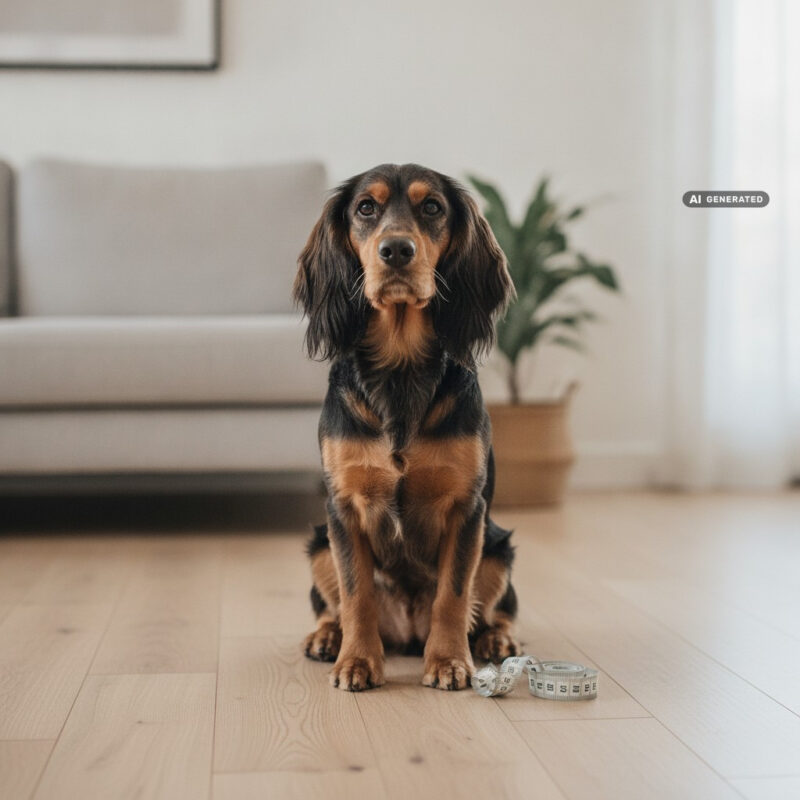
Dog ear muff sizing comes down to one tape measurement over the ear base and under the chin. Here is how to take it, which Dog+ size it points to, and how to check the fit at home.
14
Sep
Sep
Most products sold as noise cancelling headphones for dogs are passive ear muffs. We explain why active noise cancelling misses a firework crack, what passive cups do instead and why fit matters more than the label.
13
Sep
Sep
Professional force dryers measure 94.8–108 dBA at one metre. What that means for a dog at the grooming table and for a groomer all day, when to fit ear muffs, and how a snood compares.
12
Sep
Sep
Sound training works best months before the first bang. This plan covers graded exposure paired with food, a week-by-week schedule, the thunder track, the failure modes and why ear muffs belong to the real night, not the practice.
11
Sep
Sep
Most high-street pet shops do not stock dog ear defenders, so UK owners end up comparing imported listings. Where to buy them, what to check, how they cope with fireworks and the UK curfew times.
10
Sep
Sep
A season of shooting adds up for the dog as well as the Gun. Where a gundog should sit, which roles expose it most, the UK season dates and when ear muffs honestly help.
09
Sep
Sep
Noise sensitivity is common in pet dogs. This condition guide covers the signs owners often miss, the breed and age findings, how fear spreads to new sounds and what a vet appointment involves.
08
Sep
Sep
Storms are the one noise you can see coming days ahead. This forecast-led plan covers the den, the first rumble, the question of comfort and what ear muffs really do against low thunder.
07
Sep
Sep
Dog ear muffs are safe when they fit without pressure, are introduced over short practice sessions and are only worn while someone is with the dog. How long to use them, the fit signs to check, and the situations where they should stay off.
06
Sep
Sep
How loud the hoover, hair dryer, blender, smoke alarm and lawn mower are for a dog, set against the 85–90 dB line, and when ear muffs are worth fitting for a household chore.
Dog Hearing Protection
How to Get a Dog to Wear Ear Muffs: A 7-Step Plan That Works Before Fireworks Night
05
Sep
Sep
Most dogs accept ear muffs once the muffs predict food, not bangs. This 7-step plan uses 2-minute sessions over two to four weeks, with fixes for dogs that paw, shake or freeze.
Dog Hearing Protection
Dogs and Fireworks: Why Dogs Are Scared and a Plan From Months Out to the Morning After
04
Sep
Sep
Why dogs are scared of fireworks, how loud a display really is by the time it reaches them, and a timeline plan from months ahead to the morning after, with a calendar of every fireworks night.
03
Sep
Sep
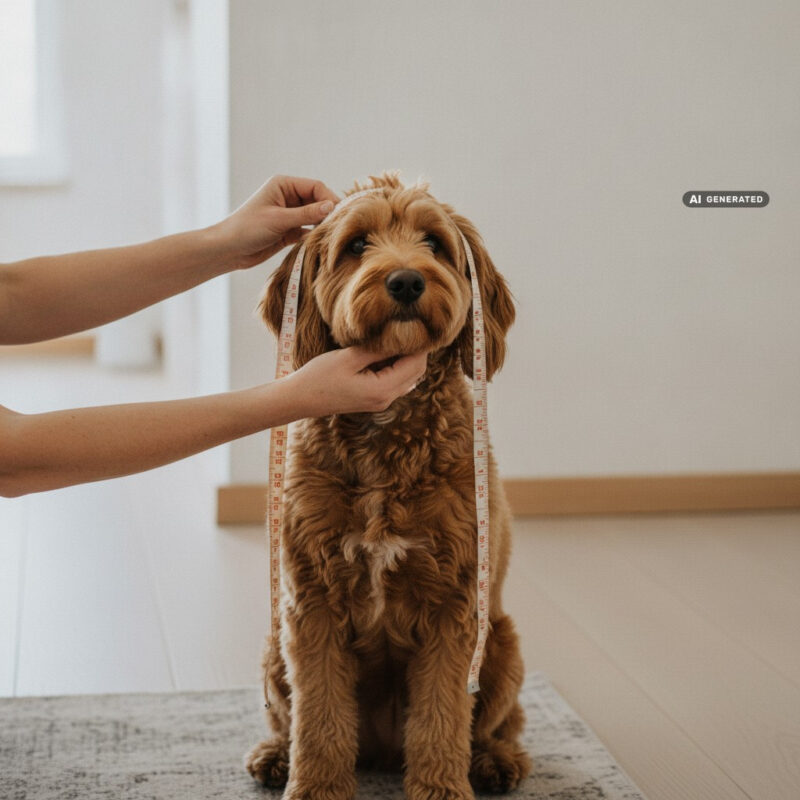
The best dog ear muffs are chosen on frequency data, size, strap retention and returns rather than one headline dB figure. Here is how to judge any pair, and where our Dog+ fits and does not.
02
Sep
Sep
How loud is too loud for dogs, from the 85–90 dB discomfort line to the impulse peaks of fireworks and gunfire, with a decibel table of everyday noises and practical ways to keep the level down.
01
Sep
Sep
Dog ear muffs work, but not evenly. Our Dog+ octave data shows 44 dB off at 1 kHz and 13.6 dB at 63 Hz, so the firework crackle drops far more than the thump or a thunder rumble.

23
Oct
Oct
Is your dog scared of fireworks or thunder? You’re not alone – loud noises can terrify our furry friends and even damage their sensitive ears. Fortunately, dog hearing protection offers a physical, drug-free layer that reduces the noise reaching your dog’s ears and helps prevent noise-related harm. In this expert-reviewed guide, we explore why dogs[…]