
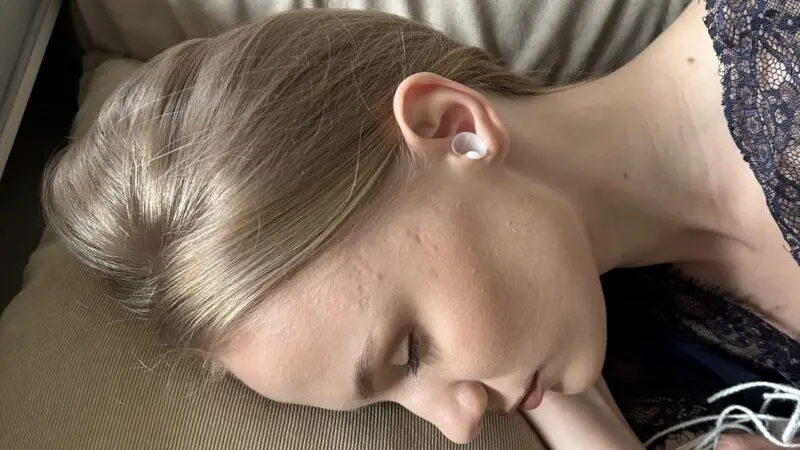
 Sleeping
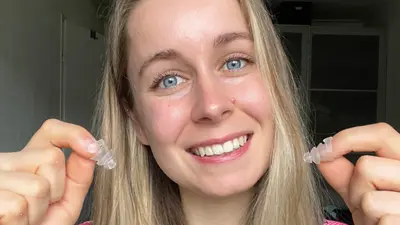 Concerts
 Motorcycle
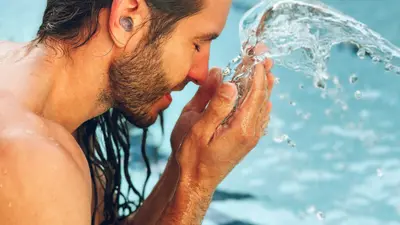 Swimming
 Work
Work Kids
Kids
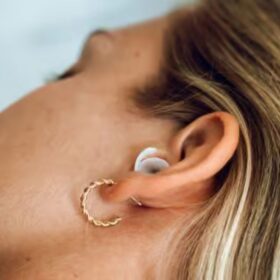


Swimming earplugs are safe for regular use when made from medical-grade silicone and inserted correctly, but real questions about earwax, infection, and pressure deserve real answers. Here is what the evidence says.
08
Jun
Jun
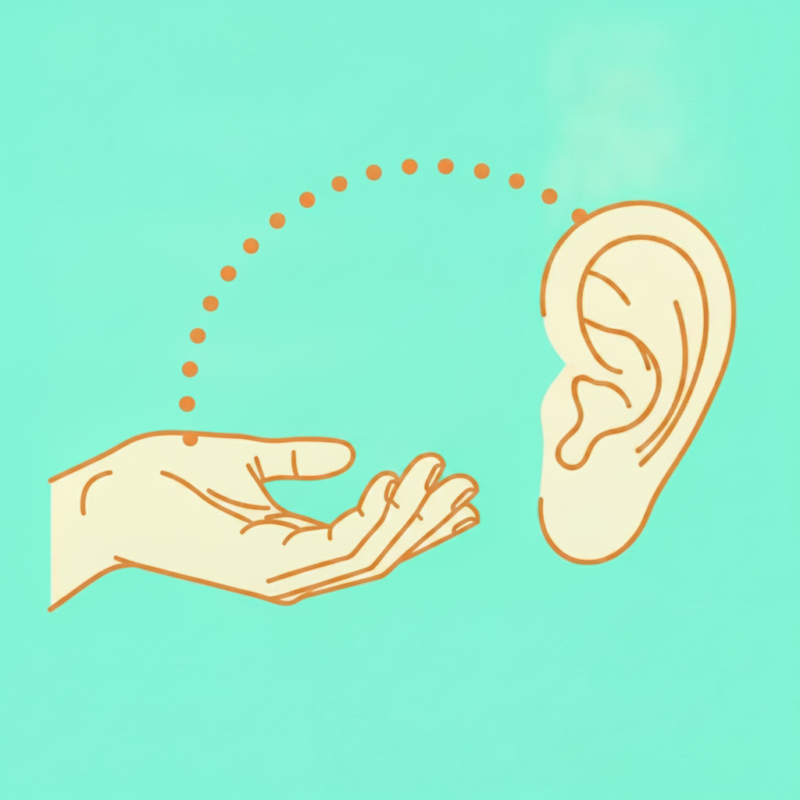
Most swimming earplugs fail not because of poor design, but because the ear canal’s natural curve stops them sealing properly. This guide covers the correct step-by-step insertion technique, type-specific differences, and the anatomical reason pulling your earlobe actually works.
Earplugs for water
Earplugs for Competitive Swimmers: Flip Turn Retention, Training Frequency Risk, and Cost per Session

05
Jun
Jun
Competitive swimmers face a different earplug problem than casual swimmers: flip turn pressure, daily chlorine exposure, and 100+ training sessions a year demand more than a standard waterproof plug. Here is what to look for, and why fit precision is the deciding factor.
05
Jun
Jun
Most swimming earplugs are sized for smaller ear canals and leak in adults. This guide explains adult ear anatomy, why fit matters, and which earplugs actually stay in during lap swimming, open water, and daily showering.
05
Jun
Jun
Swimmer’s ear (otitis externa) affects around 10% of people at some point and is five times more likely in regular swimmers. This guide walks through the full prevention protocol, from choosing well-fitted earplugs to post-swim ear care, so you can swim without the consequences.

05
Jun
Jun
Not every swimming earplug works the same way. This guide breaks down each type by how it seals, how long it lasts, and which swimmers it actually suits.
Earplugs for water
Surfer’s Ear Earplugs: What Cold Water Swimmers, Surfers, and Kayakers Need to Know

05
Jun
Jun
Surfer’s ear affects 68% of regular cold-water surfers and 3–6% of the general population, according to data from NCBI’s StatPearls and a 2025 analysis in The Conversation. It is a bone condition, not an infection, and it builds silently for years before most people recognise there is a problem. Across the UK’s growing communities of[…]

29
May
May
Cold water below 19°C triggers bone growth in your ear canal. UK rivers and seas sit well below this threshold year-round. Find out which earplugs protect cold water swimmers.

29
May
May
The best earplugs for open water swimming must hold through sighting strokes, cold water mass starts, and UK temperatures that trigger exostosis year-round. Compare Watersafe+ vs AR KI TECH: 24 dB SNR, from £29.95.
29
May
May
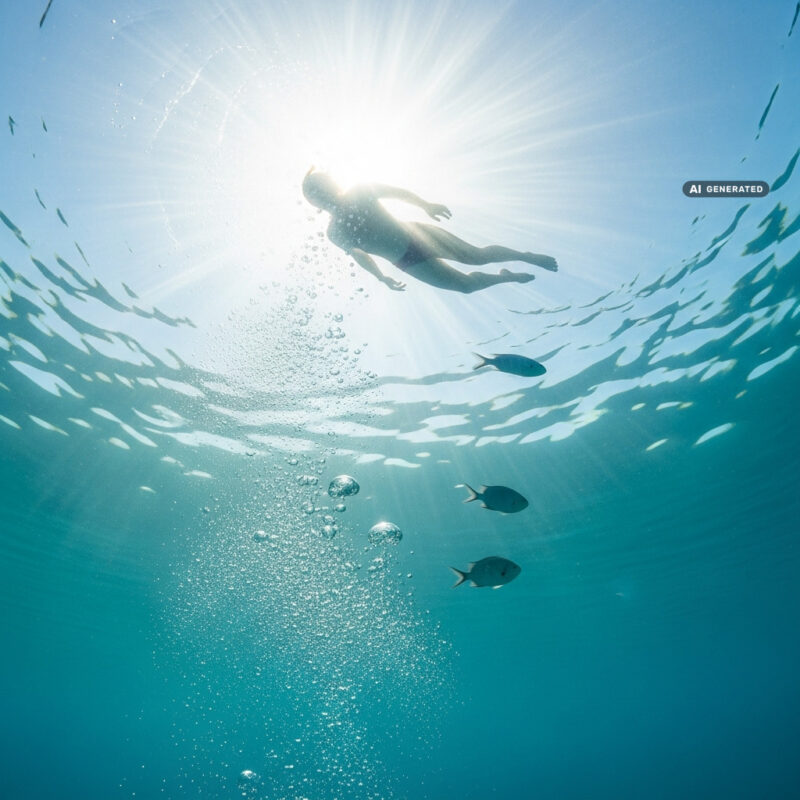
Discover when earplugs protect snorkellers from swimmer’s ear, which types are safe for duck diving, and how to keep your ears healthy on a snorkelling holiday.
29
May
May
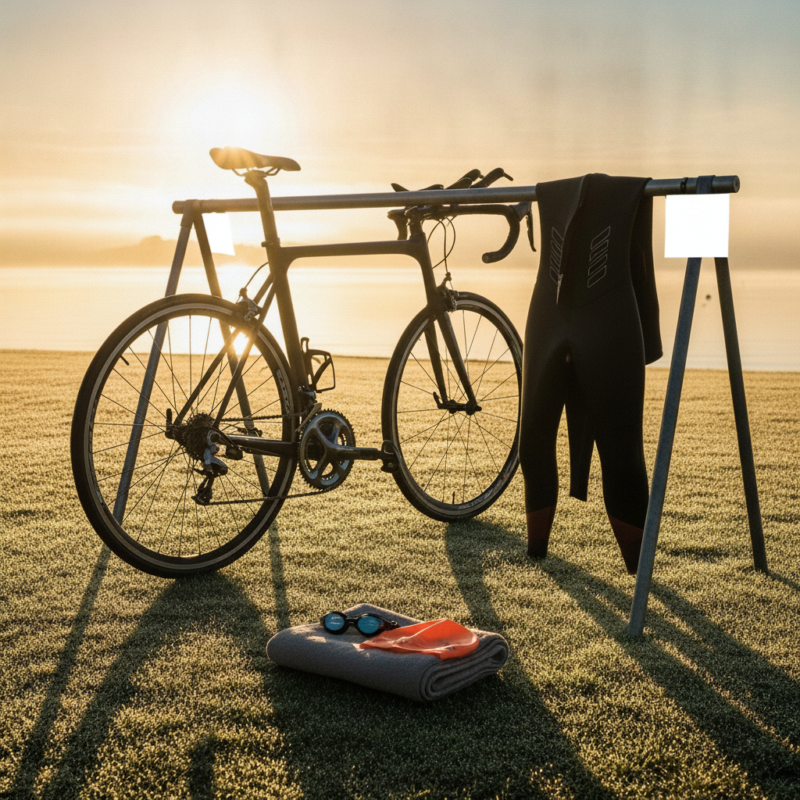
Which earplugs stay in through an open water mass start, remove fast in T1, and protect against cold water ear damage in training? The complete triathlete’s guide.
29
May
May
If you have been searching for the best earplugs for swimming and landing on articles written for children, you are not alone. The site’s own data shows over 8,900 impressions per month for “ear plugs for swimming” arriving on a kids’ article, because until now no dedicated adult buyer guide existed. This one does. For[…]
06
Mar
Mar
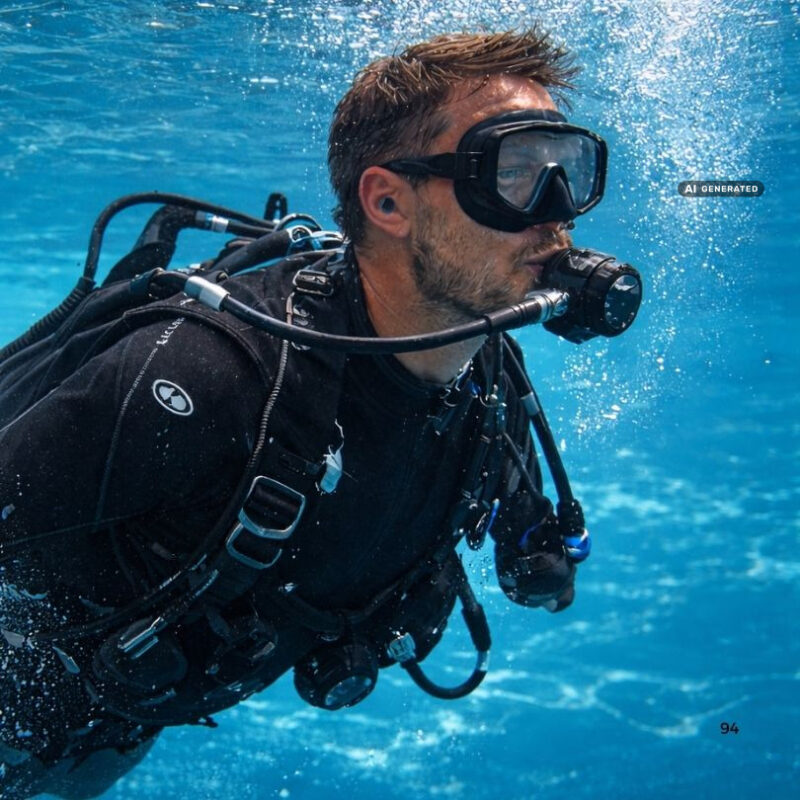
Most people reach for a wetsuit, a leash, goggles all the right gear. But ears? Ears rarely make the pre-session checklist, right until the first infection. If you swim, surf, dive, or paddle regularly, this article is for you. Because the risks are real, the damage is cumulative, and protecting yourself takes less than ten seconds.
24
Feb
Feb
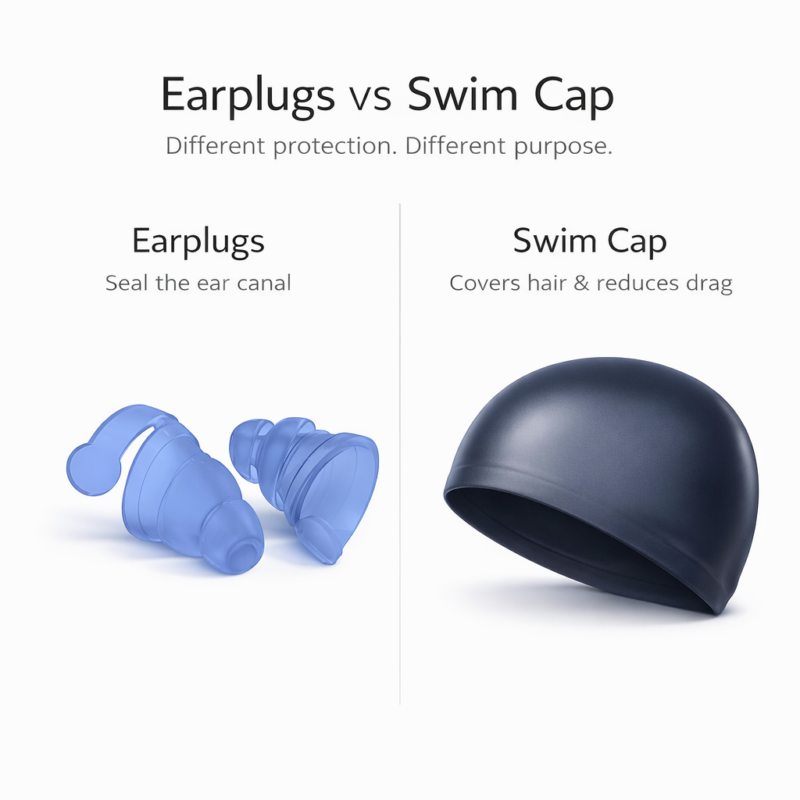
When it comes to swimming gear, most people think of goggles first. But if you care about your ears , whether because of swimmer’s ear, cold‑water exposure, or post‑surgery protection , the real question becomes:
Swimming caps vs earplugs: which one do you actually need?
24
Feb
Feb
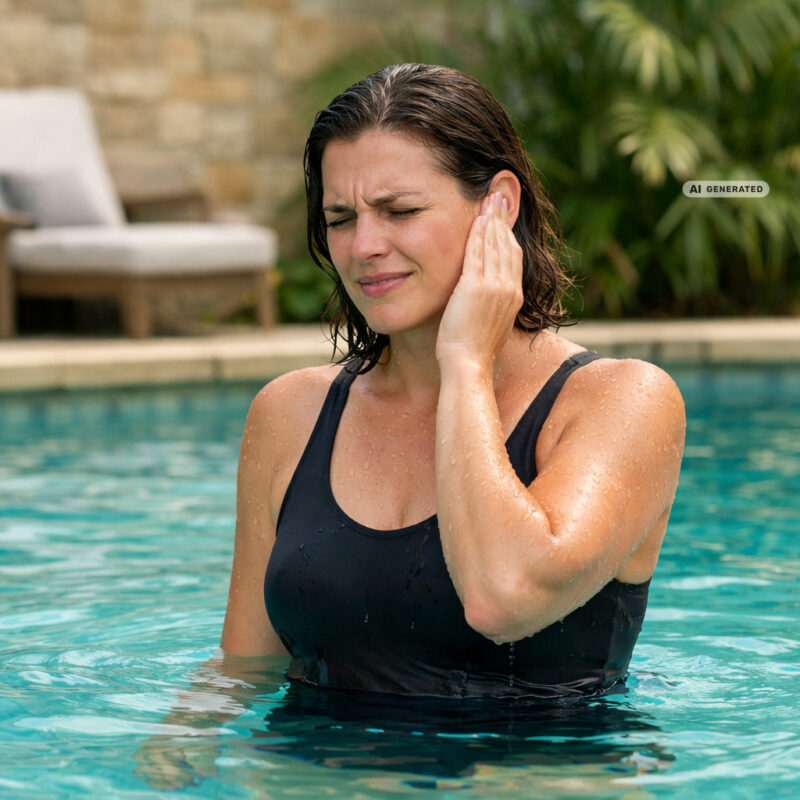
Ear pain after swimming is common, especially in the summer when more time is spent in pools, lakes and the sea. While the discomfort is often mild, it can signal irritation, trapped water or an infection of the outer ear canal (commonly known as swimmer’s ear). Understanding why ear pain happens after swimming and how to prevent it can help you protect your hearing and stay comfortable in the water.
24
Feb
Feb
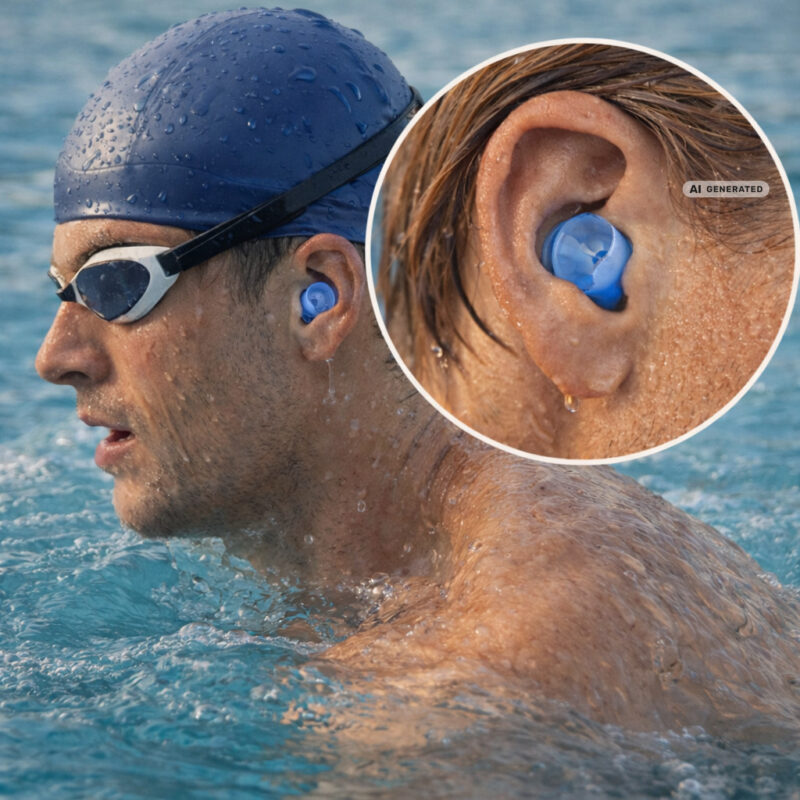
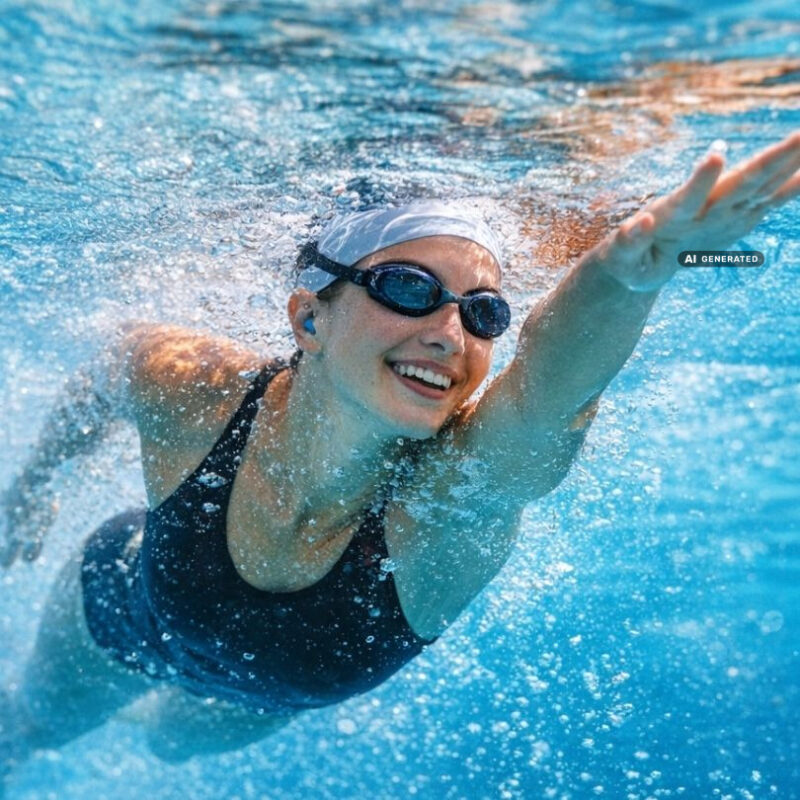
Many swimmers hesitate to use earplugs because they worry about three things:
Will I still hear my coach or other swimmers?
Will earplugs affect my balance in the water?
Will they slow me down or hurt my performance?
10
Feb
Feb
Swimmer’s ear does not happen just because you swim a lot. It happens when water stays inside your ear canal for too long. The skin inside your ear gets soft, your natural earwax gets washed away, and germs can grow. This is why swimming earplugs are so helpful. When you use silicone swim earplugs the right way, they can greatly lower your chances of getting swimmer’s ear.
09
Feb
Feb
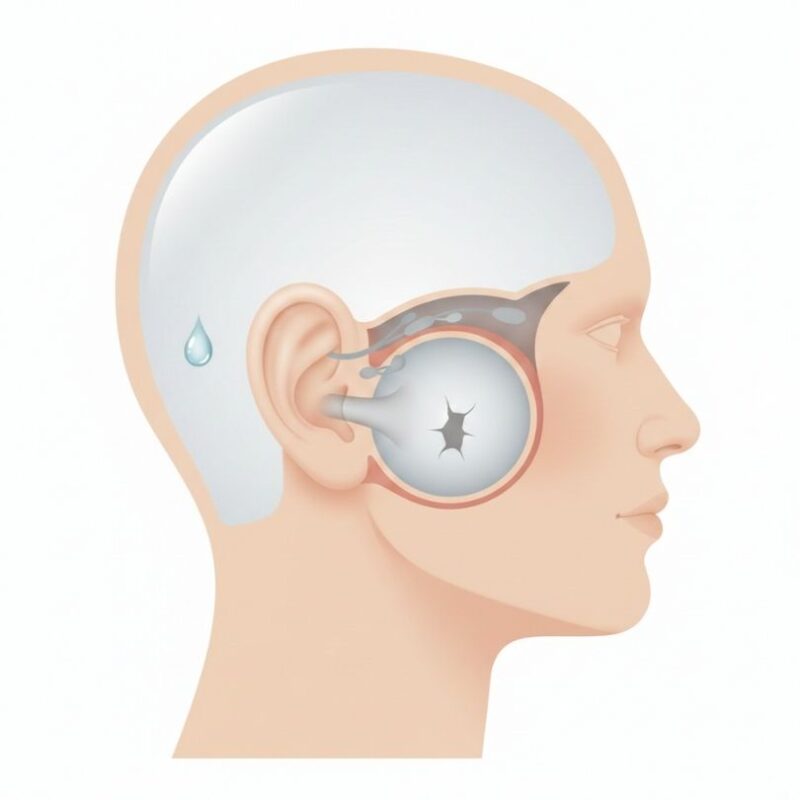
When your eardrum is perforated, the thin membrane between the ear canal and the middle ear is torn, and that small change has a big effect on how your ear reacts to water, pressure, and sound. Because this membrane normally protects the middle ear from the outside world, choosing ear protection becomes not just a comfort choice, but a medical one.
05
Feb
Feb
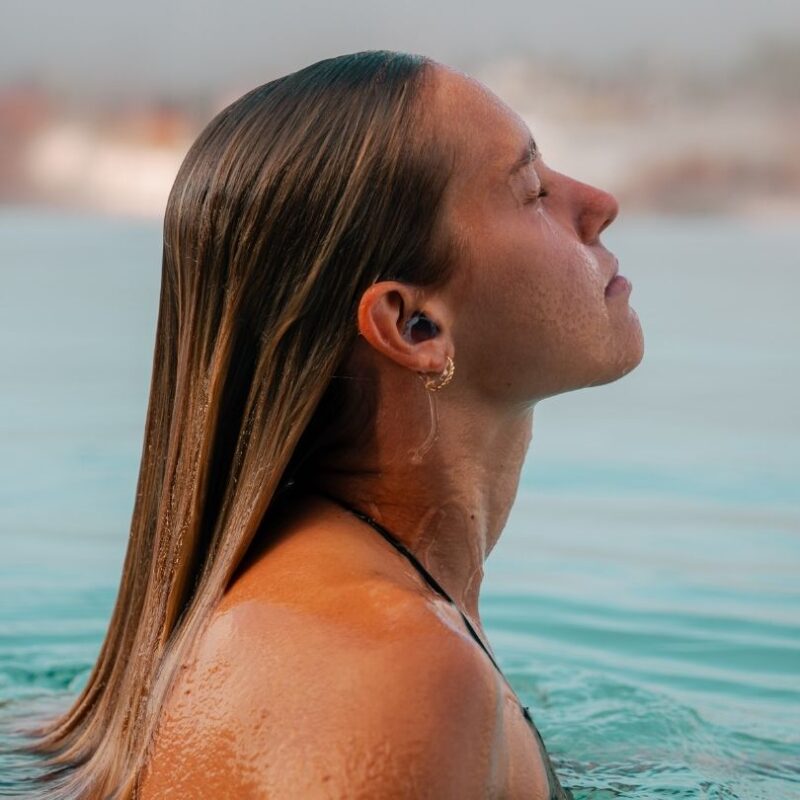
Ear tubes (also called grommets or tympanostomy tubes) are one of the most common ENT procedures especially for children, but also for adults who struggle with recurrent ear infections or persistent fluid behind the eardrum.
27
Jan
Jan
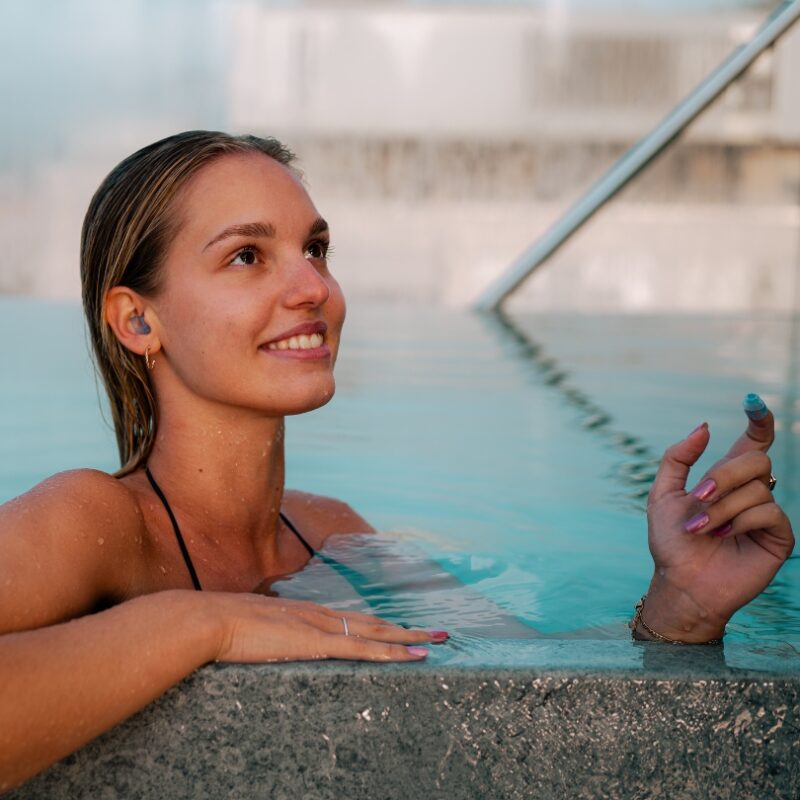
Getting water in your ears while swimming is common but it’s not inevitable.
Whether you swim laps, train competitively, or just spend time in pools, lakes, or the sea, there are reliable ways to prevent water from entering the ear canal in the first place.
27
Jan
Jan
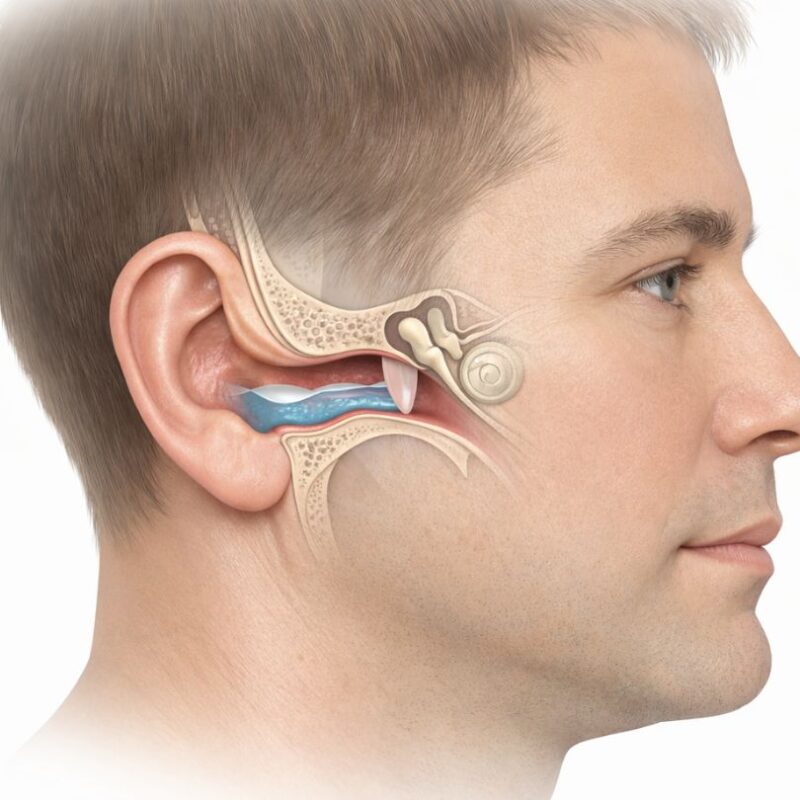
Swimmer’s ear, medically known as otitis externa, is a common and painful infection of the outer ear canal the passage that leads from the outside of the ear to the eardrum. Despite its name, swimmer’s ear doesn’t affect only swimmers. Anyone can develop it when moisture, irritation, or minor injury disrupts the natural defenses of the ear canal.

12
Sep
Sep
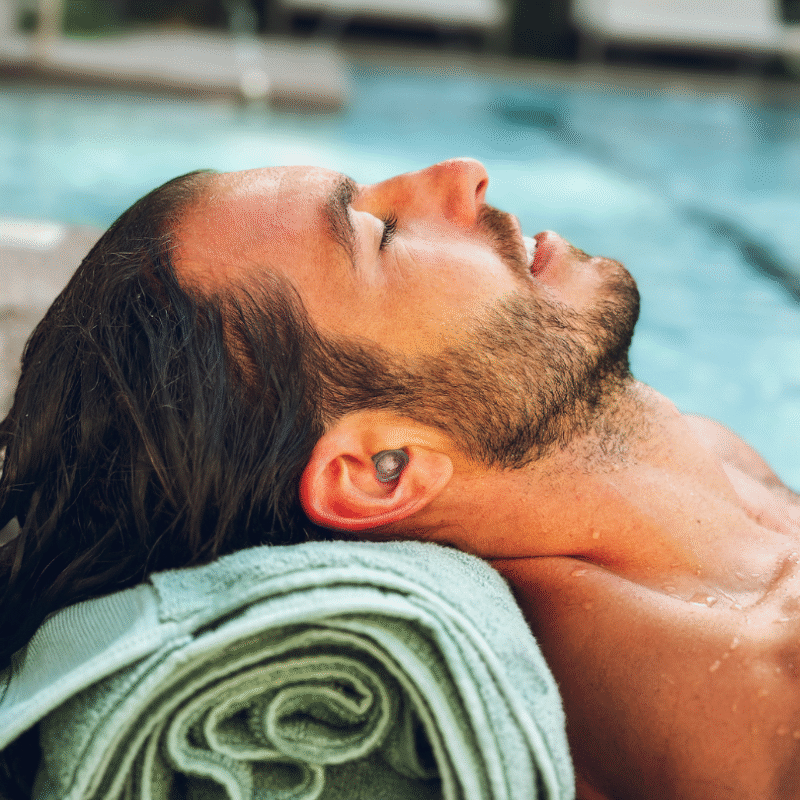
Learn how to choose earplugs for swimming with our step-by-step guide, ensuring comfort and protection against water and noise.
11
Aug
Aug
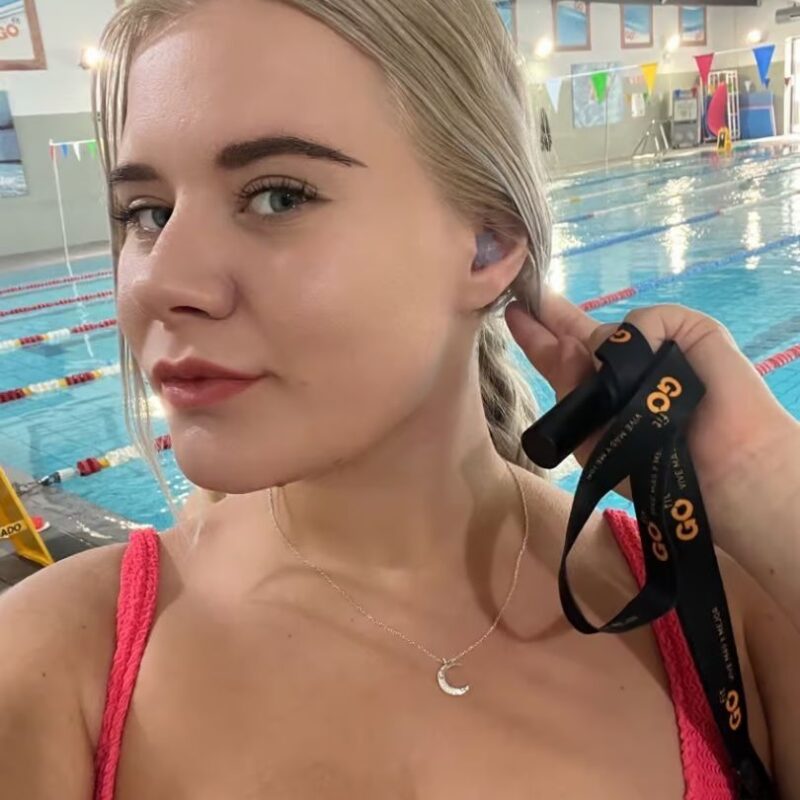
Water in the ear can be a common annoyance, especially after swimming or taking a shower. This issue is more than just an inconvenience; it can cause discomfort, a clogged feeling, and sometimes even lead to infections if not addressed promptly. Understanding how to get water out of ear safely and effectively is essential to prevent complications like swimmer’s ear, which can lead to more severe health issues if neglected.
08
Aug
Aug
Swimming is a delightful and beneficial activity that many of us enjoy. However, for individuals with grommets, also known as ear tubes, swimming can present unique challenges. These small tubes are surgically inserted into the ear to help prevent infections and improve hearing, but they can require special care when it comes to water activities. This article will guide you through everything you need to know about grommets and swimming.
Earplugs for water
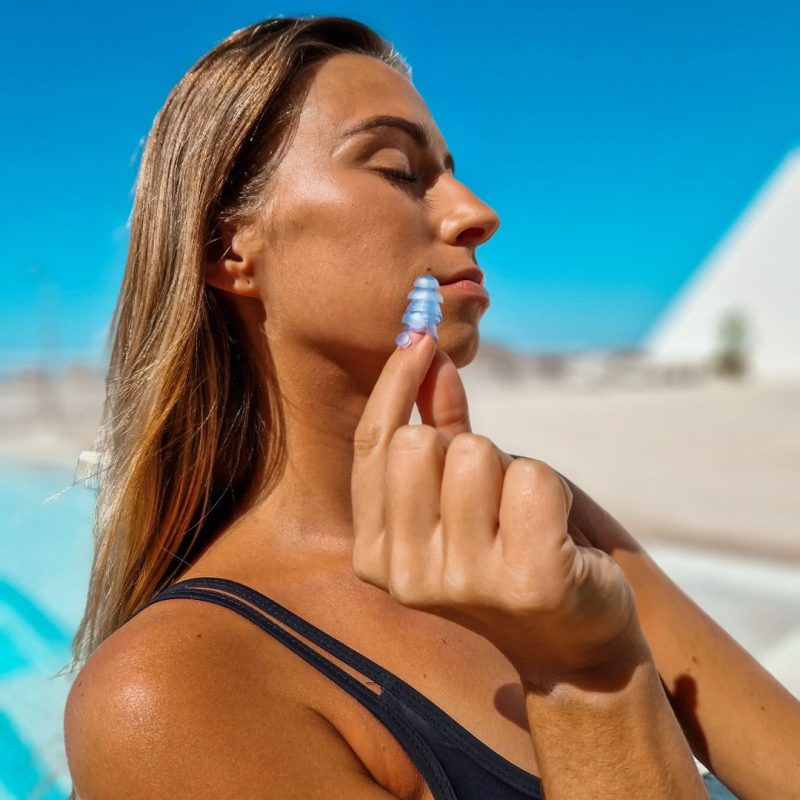
What You Need to Know About Ear Protection for Showering If You Have Sensitive Ears
06
Aug
Aug
Ear protection for showering is more than just a comfort accessory it’s an essential safeguard for anyone with sensitive ears, recurring ear infections, or conditions like perforated eardrums. In the UK, where colder months and indoor heating can already dry out skin and make ears more vulnerable, keeping water out during daily showers is a simple step toward better ear health.