

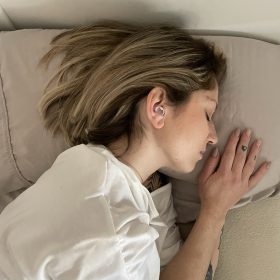
 Sleeping
 Concerts
 Motorcycle
 Swimming
 Work
 Kids
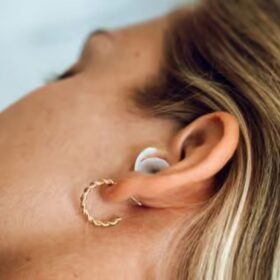

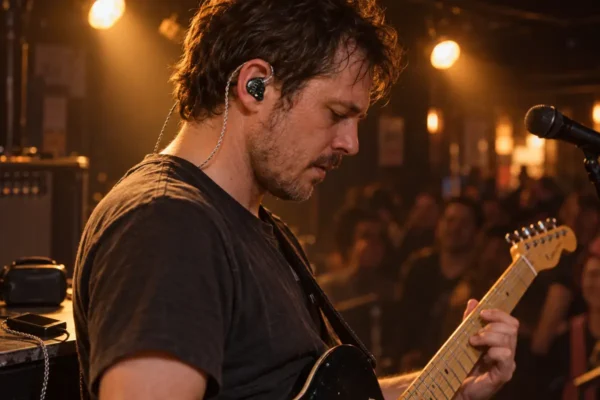 On stage
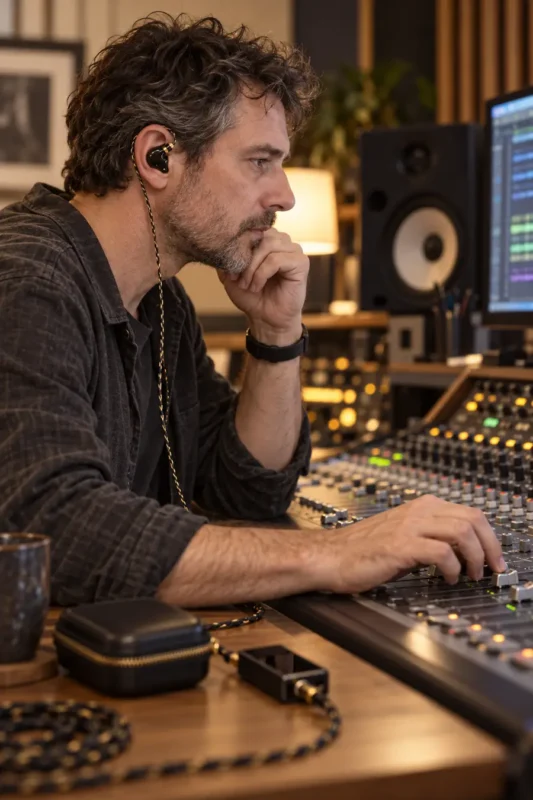 In the studio
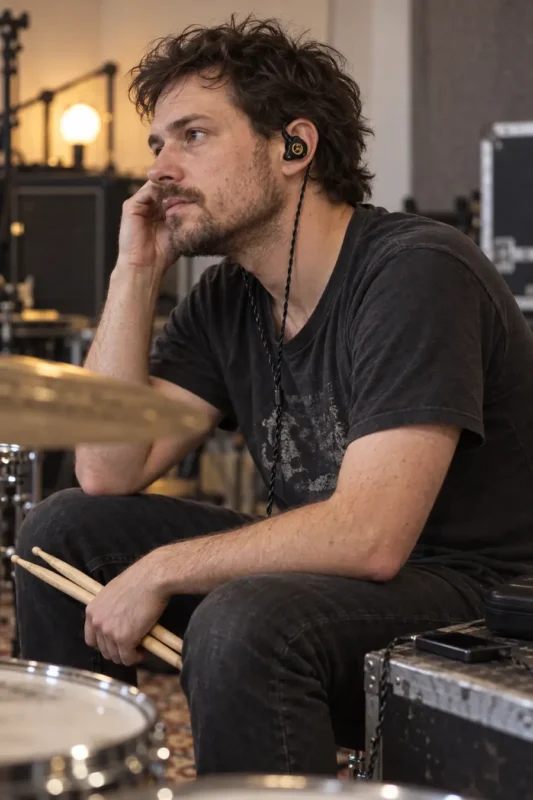 Rehearsals
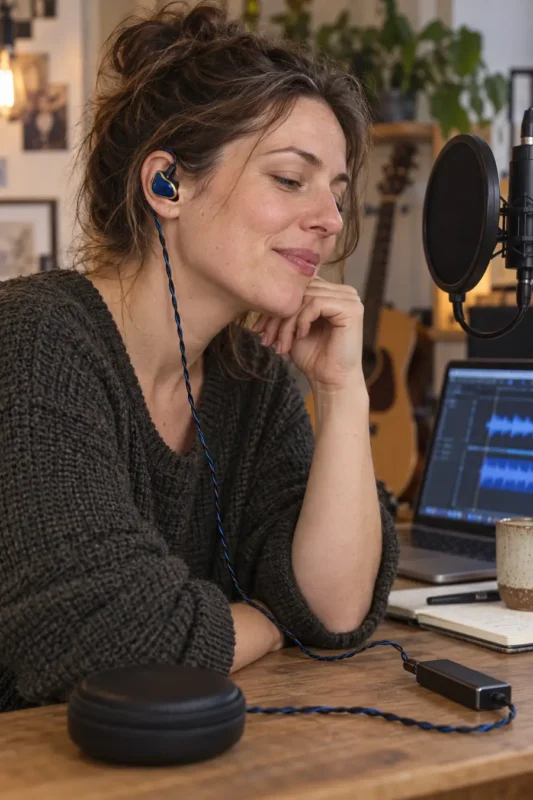 Writing music
 Mixing at home
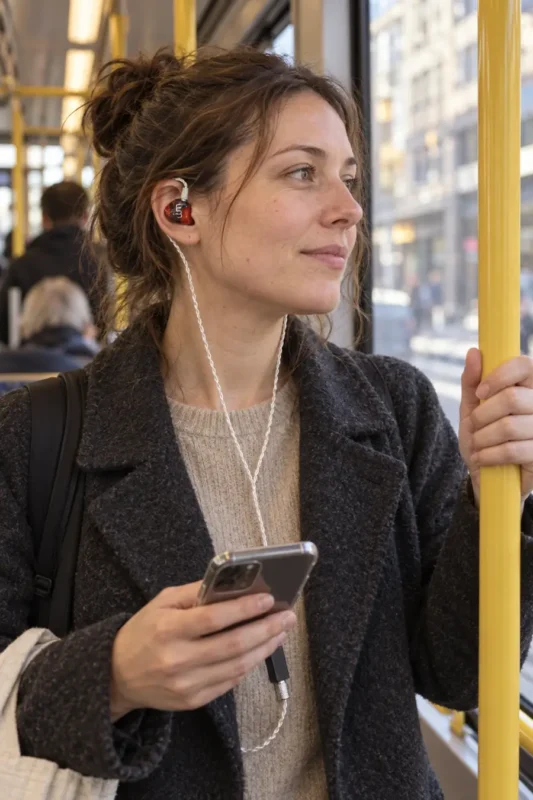 Daily commute
 Long journeys
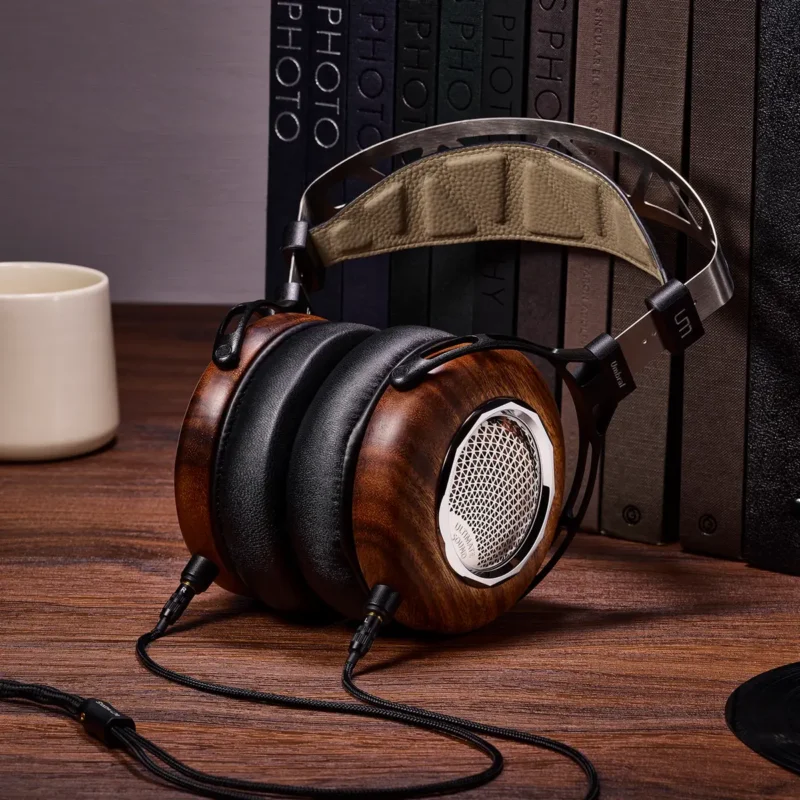 Listening at home
NRR and SNR measure the same protection under different standards. Here is which rating applies at UK concerts and what SNR 24 dB really delivers at 105 dB.
22
Jul
Jul
Concerts at 100–115 dB feel impossible with noise sensitivity, yet total isolation is not the answer. Here is the attenuation level that works for sensitive ears and a playbook for show day.
17
Jul
Jul
Dosimetry across four UK music venues found 70% of staff exceeded the daily noise exposure limit value in a single shift. Here is what the Control of Noise at Work Regulations 2005 actually requires of a venue, and who it covers.
17
Jul
Jul
A randomised trial at an Amsterdam festival found temporary hearing loss in 8% of earplug wearers and 42% of unprotected ones. Here is what earplugs genuinely change about live music, and what they leave alone.
17
Jul
Jul
Most concert earplug guides hand you one number and a shopping list. This is the order of operations instead, starting with the venue you are actually going to and ending with the pair.

03
Jul
Jul
That ringing after a gig is usually a temporary threshold shift that fades within a day or two. Here is why concerts cause tinnitus, when the ringing is a warning sign, and how to stop it at 100 to 105 dB shows.
03
Jul
Jul
Every hi-fi earplug page promises you will hear everything unchanged, just quieter. Here is what high-fidelity earplugs actually do, and where an honest passive silicone plug fits in.
03
Jul
Jul
Musicians face nearly four times the hearing-loss risk of the general public. Here is the science behind noise-induced hearing loss, the decibel limits that matter, and how to protect your ears across a long career.
02
Jul
Jul
Concerts typically reach 90 to 120 dB, well past the 85 dB safety line. Here is how loud different gigs really get, how long you can safely stay, and how to protect your hearing.
02
Jul
Jul
Half of sound technicians in one study showed measurable hearing loss. Here is what UK law requires at the desk, and what a passive SNR 24 dB earplug can and cannot do.

02
Jul
Jul
Venue staff, roadies and stage crew are rostered in front of the PA for whole shifts they cannot leave. Here is what UK employers must legally provide, and the SNR spec that clears the 85 dB action value.
26
Jun
Jun
Foam earplugs muffle the music and you pull them out early. Here is the honest, mechanism-led comparison of music earplugs vs foam earplugs for concerts and festivals.

26
Jun
Jun
Custom or universal musician earplugs? We compare cost, fit, sound and lifespan, then match each type to how often you actually play.
19
Jun
Jun
A guitarist-specific guide to hearing protection: real amp decibel levels at playing position, the SNR that fits guitar, and whether you can still hear your tone with earplugs in.

19
Jun
Jun
A practical UK buyer guide to the best earplugs for concerts, matched to club nights, festival main stages and front-of-stage volume, so you protect your hearing without missing the music.
19
Jun
Jun
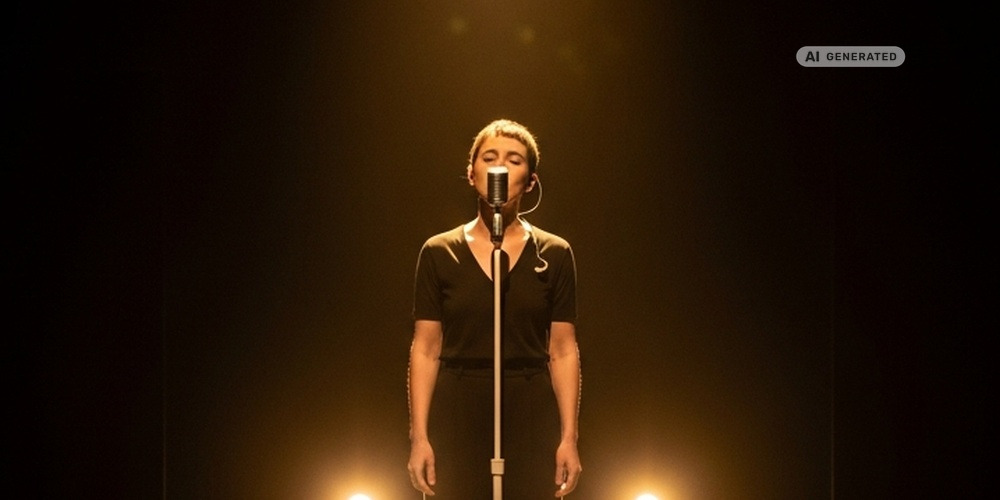
A vocalist-first guide to earplugs for singers, covering the occlusion effect, singing in tune with plugs in, and how to pick the right level of protection on stage.

16
Sep
Sep
DJs are the lifeblood of any vibrant music scene, bringing energy and rhythm to parties and events. However, amidst all the excitement, DJs face a significant risk noise-induced hearing loss. This article explores the benefits of using DJ ear plugs, ensuring that DJs can enjoy their craft while safeguarding their hearing health.
10
Sep
Sep
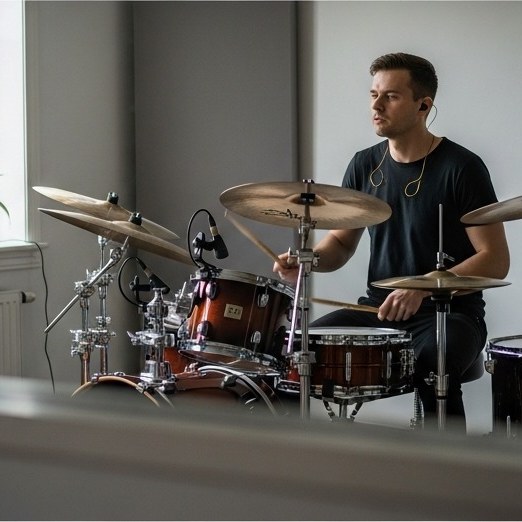
An acoustic kit sits at 90–100 dB at the throne, with snare peaks near 130 dB. Here is the SNR drummers actually need and why passive silicone keeps the kit audible while bringing the volume down.

27
Aug
Aug
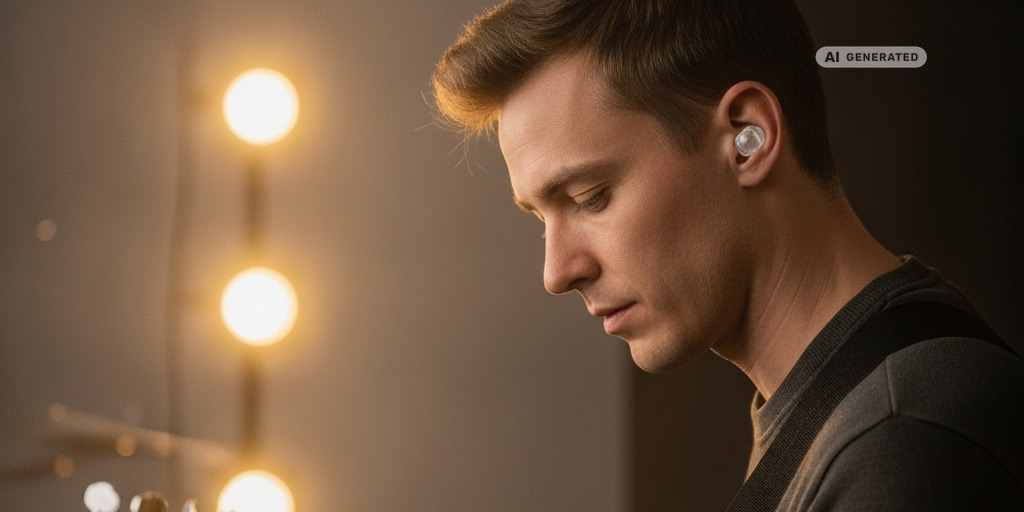
A full festival day at 100-115 dB far exceeds the safe noise limit. Here is how to choose reusable SNR 24 dB earplugs that protect your hearing for 8 to 12 hours while you still hear the music.
10
Aug
Aug
A no-nonsense buyer guide to the best earplugs for musicians, with instrument-by-instrument SNR guidance and an honest look at how passive silicone plugs actually sound on stage.