

 Sleeping
 Concerts
 Motorcycle
 Swimming
 Work
 Kids
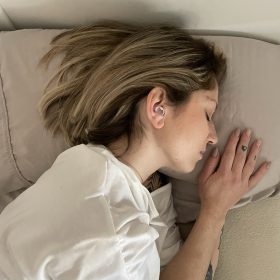
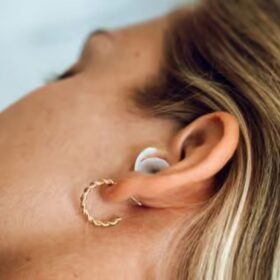

 On stage
 In the studio
 Rehearsals
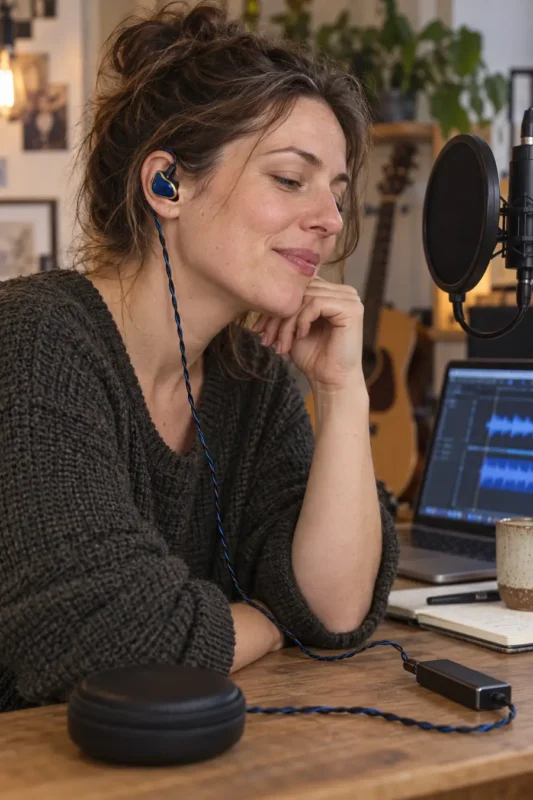 Writing music
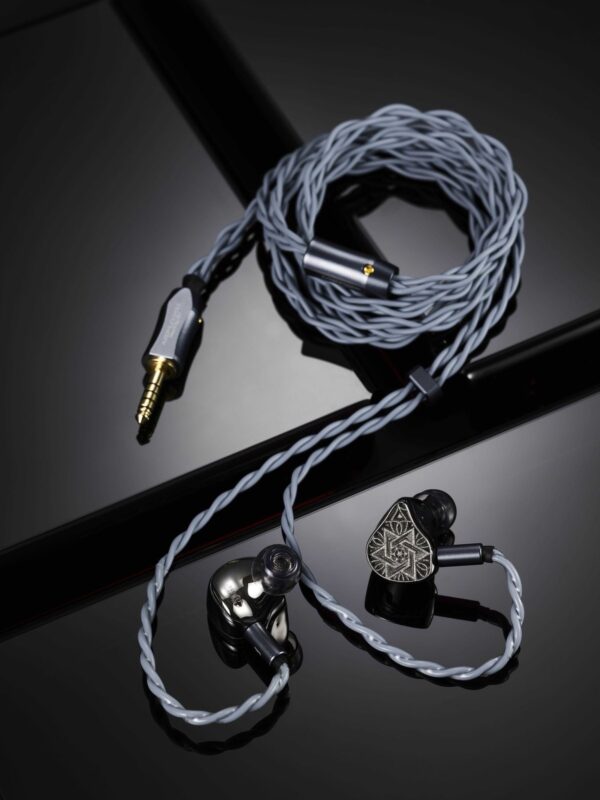 Mixing at home
 Daily commute
 Long journeys
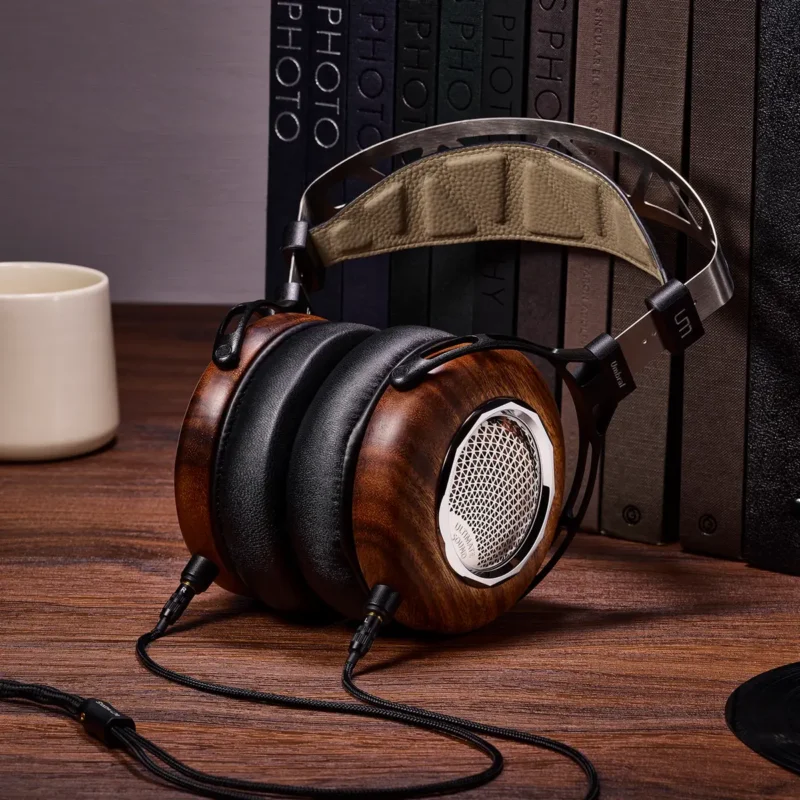 Listening at home

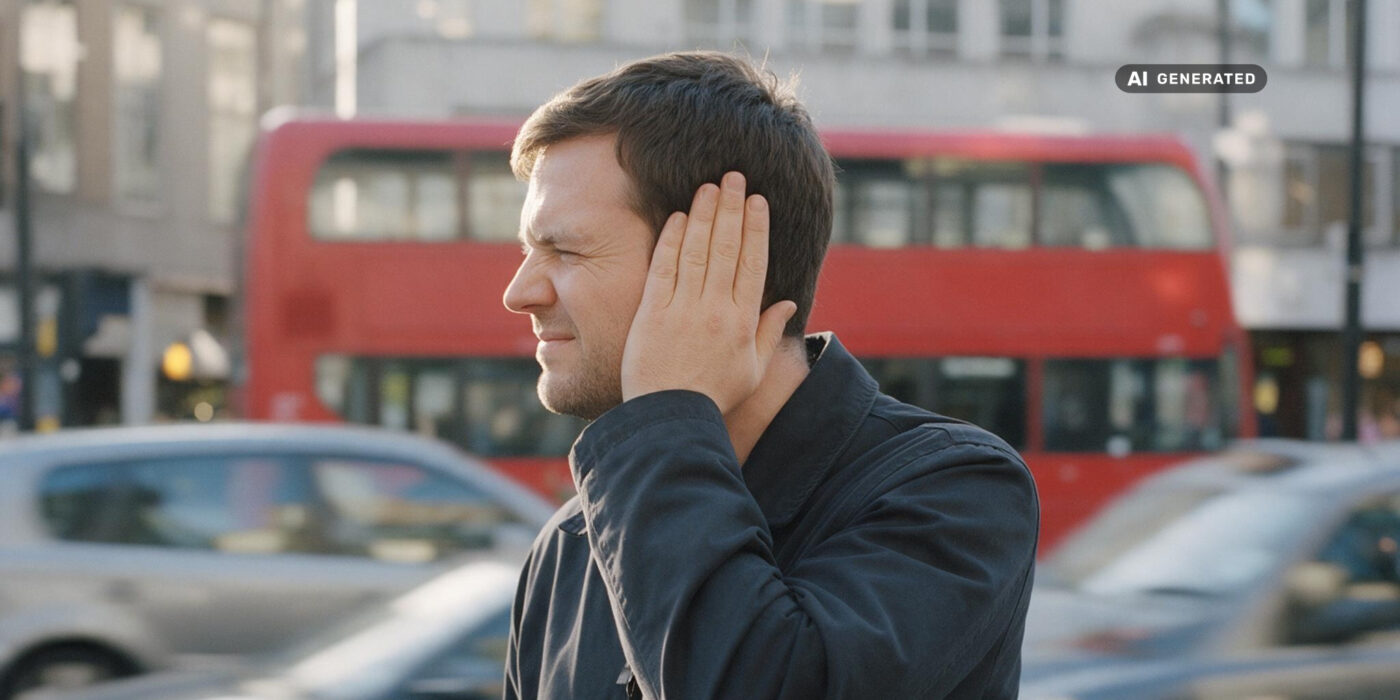
UK government tests put rockets at 107–115 dB from 15 m, and display shells go far higher. Here is the decibel table, the distance maths, the legal noise limit and the Bonfire Night 2026 curfew.
28
Aug
Aug
An everyday-sounds decibel chart from a whisper to a fireworks display with NIOSH safe times, the 85 dB(A) threshold and the 3 dB rule explained, the WHO weekly allowance, and the arm’s-length test for when to reach for earplugs.

27
Aug
Aug
The sourced numbers on noise, hearing loss and tinnitus for the UK, the US and the world, each with its year, sample and publisher. Refreshed every February around Tinnitus Week.

25
Aug
Aug
Measured cabin noise sits at about 70–79 dB(A) in cruise and peaks near 87 dB(A) on take-off. Here are the seat-by-seat figures, the long-flight dose maths and which protection does which job.
24
Aug
Aug
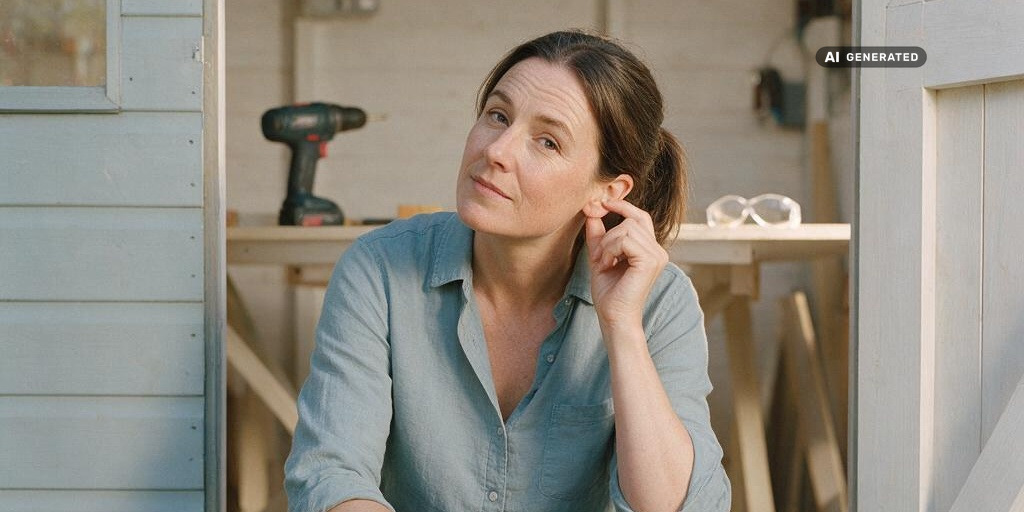
Ringing after a loud noise is usually a temporary threshold shift that fades within 24–48 hours, sometimes up to a week. What it means, which everyday noises cause it, and when to see a GP.

21
Aug
Aug
The NHS signs that ringing in the ears needs a GP, the ones that need an urgent appointment or A&E, and what happens at the appointment and after a referral to audiology or ENT.

20
Aug
Aug
The talk test, ringing and muffled hearing tell you most of what you need. Here is how accurate decibel apps are, what phone alerts measure and what to do at 80 dB.

18
Aug
Aug
Muffled hearing after a loud night usually fades within two days, but hair cells lost to noise do not grow back. How temporary and permanent noise damage differ, and when to see a GP.
Earplugs for tinnitus
How Loud Are Pubs, Restaurants and Weddings? A Discreet Hearing-Protection Guide

11
May
May
A quiet restaurant sits at 60–70 dBA, a packed pub at about 90 dBA and a wedding DJ at around 100 dB. Typical levels, safe time without protection, discreet wear and a tip for hosts.

01
May
May
A step-by-step look at a UK hearing test, from the ear check to the tones in the booth, plus what each route costs, how to read the audiogram you are given and why a baseline result is worth having.

10
Mar
Mar
A football match averages about 100 dBA, a spin class sits above 100 dB for half the session, and a whole film usually stays below 80 dB(A). How long each is safe for, and which earplugs suit a match, a film or a class.
05
Feb
Feb
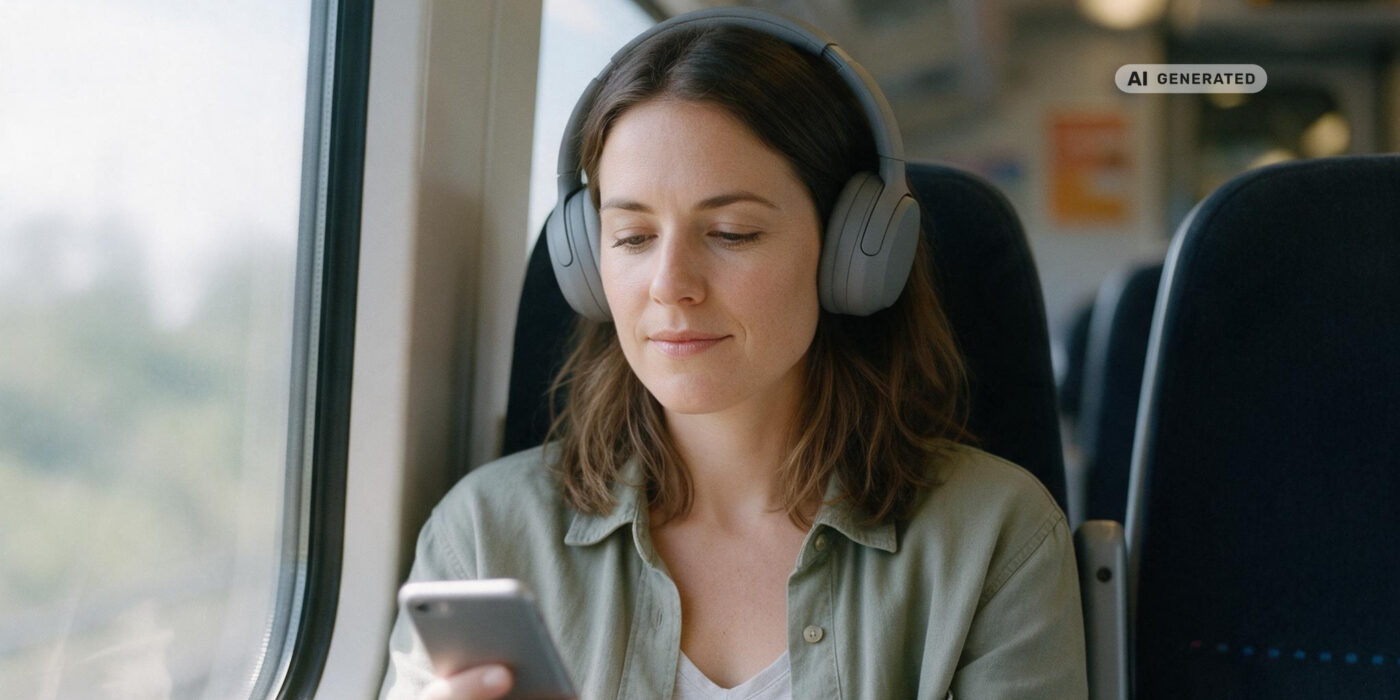
A safe headphone volume is about level and time together. Where the 60/60 rule really comes from, how the WHO weekly allowance works, why earbuds can run louder, and how to set a headphone limit on your phone.

26
Jan
Jan
Earplugs do not cause tinnitus. Quiet can make existing ringing easier to notice, a plug pushed in too far can push wax deeper, and dirty plugs can irritate the ear. Here is what the research shows and when to see a GP.

13
Aug
Aug
Tinnitus is a condition that affects millions worldwide. It manifests as a persistent ringing or buzzing in the ears. This can be both annoying and distressing.
Many seek relief through various methods. One popular option is tinnitus ear plugs. These are designed to reduce noise and provide comfort.