
 Sleeping
 Concerts
 Motorcycle
 Swimming
 Work
Work Kids
Kids
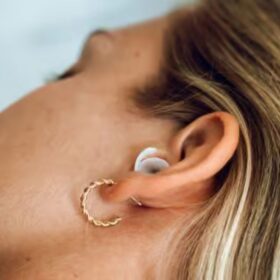


An ordinary classroom stays below the UK’s 80 dB(A) action value, but DT workshops, music rooms and loud PE halls can cross it. Here is how loud each room gets, what schools must do by law and when earplugs make sense for teachers.

10
Apr
Apr
Mowers, strimmers, blowers, chainsaws and farm machinery compared by decibel level and time to the UK daily noise dose, with the protection each one needs.

09
Apr
Apr
Wash reusable earplugs after every shift, dry them fully and keep them to yourself. Here is the end-of-shift routine for UK workplaces, when foam goes in the bin, when to replace a pair and what Regulation 8 asks of employers.

07
Apr
Apr
HSE estimates 15,000 workers in Great Britain a year have hearing problems caused or made worse by work. See how the daily noise dose adds up, what temporary and permanent threshold shift mean, and when to speak to a GP or occupational health.

06
Apr
Apr
How loud a home office really gets, why there is no legal duty to wear hearing protection at home, and a simple in-and-out routine for neighbours, building work, children and calls.

31
Mar
Mar
Are custom moulded earplugs worth it for work? We compare custom, universal and sized S/M earplugs on UK cost, lead time, re-fit, replacement and PPE.

27
Mar
Mar
An open-plan office runs at about 55–70 dB(A), well below the UK’s 80 dB(A) action value, so earplugs are a focus choice. Here is what a passive 24 dB plug does to desk noise, and when to take it out.

24
Mar
Mar
A hearing protection zone is required wherever workers are likely to reach 85 dB(A) or 137 dB(C). Here is what the blue sign means, where it goes and who must wear protection inside.

23
Mar
Mar
Above 85 dB(A) your employer can require hearing protection and you must use it. What UK law asks of workers, what refusing means and what to ask for instead.

16
Mar
Mar
A UK guide to warehouse ear plugs that maps forklift, conveyor, dock and pick tower noise to HSE protection bands, explains how intermittent noise adds up over a shift, and answers whether you can wear earplugs on a forklift.

09
Mar
Mar
Yes, earplugs can be worn across a full 8–12-hour shift in a noisy UK workplace. Here is a routine for each phase of the shift, plus what to do about pressure, itch, wax and moisture.

03
Mar
Mar
Who must have a workplace hearing test under Regulation 9, how the baseline and three-yearly checks work, what Categories 1 to 4 mean and who sees the results.

02
Mar
Mar
A UK comparison of reusable, foam and banded earplugs for work, with cost per shift for one worker and a team of 50, waste, hygiene and HSE fit rules.

23
Feb
Feb
Passive earplugs lower the alarm and the site noise by about the same amount. Here is what that leaves at the ear, what HSE says about over-protection and how sites check.

20
Feb
Feb
When to wear earplugs under ear defenders at work: the 100 dB(A) trigger, why doubling adds only 4–6 dB, and the jobs that really need both.

19
Feb
Feb
A UK guide to earplugs for power tools and woodworking that matches each workshop tool to its dB(A) level, its HSE protection band and whether an SNR 24 plug works alone or under ear defenders.

17
Feb
Feb
Which earplugs stay in for a full factory shift, matched to typical line, press, CNC and bottling noise, HSE’s SNR bands, UK noise law and the evidence on fit training.

16
Feb
Feb
Step-by-step insertion for reusable work earplugs, plus the cup, tug and own-voice checks that tell you whether the seal is actually there.

12
Feb
Feb
The six legal duties UK employers have for noise at work, mapped to Regulations 4 to 10, with what each looks like when a small business has done it.

06
Feb
Feb
How to choose between earplugs, passive, electronic and helmet-mounted ear defenders at work, using HSE’s SNR bands, PPE compatibility, shift heat and hygiene rules.
Earplugs for work
How Do You Wear Hearing Protection With a Hard Hat, Safety Glasses and a Respirator?

03
Feb
Feb
The order to put on earplugs, safety glasses, a respirator and a hard hat, where each item breaks an ear defender seal, and what UK law says about PPE that has to work together.

20
Jan
Jan
Consumer ANC earbuds, EN 352-rated level-dependent electronics and passive earplugs compared under UK noise law, so you can see which one your job actually needs.

12
Jan
Jan
How to choose hearing protection for your noise level: HSE’s SNR bands, the 4 dB real-world correction, the HML method and the 70 dB over-protection floor.

09
Jan
Jan
Which earplugs suit site work, matched to typical construction noise levels, HSE’s SNR bands, UK noise law and the hard hat, glasses and respirator you already wear.
Earplugs for work
The Control of Noise at Work Regulations 2005 Explained: What 80, 85 and 87 dB(A) Mean for You

08
Jan
Jan
A worker’s guide to the Control of Noise at Work Regulations 2005: the 80, 85 and 87 dB(A) values, peak limits and what you are entitled to at each level.
06
Jan
Jan
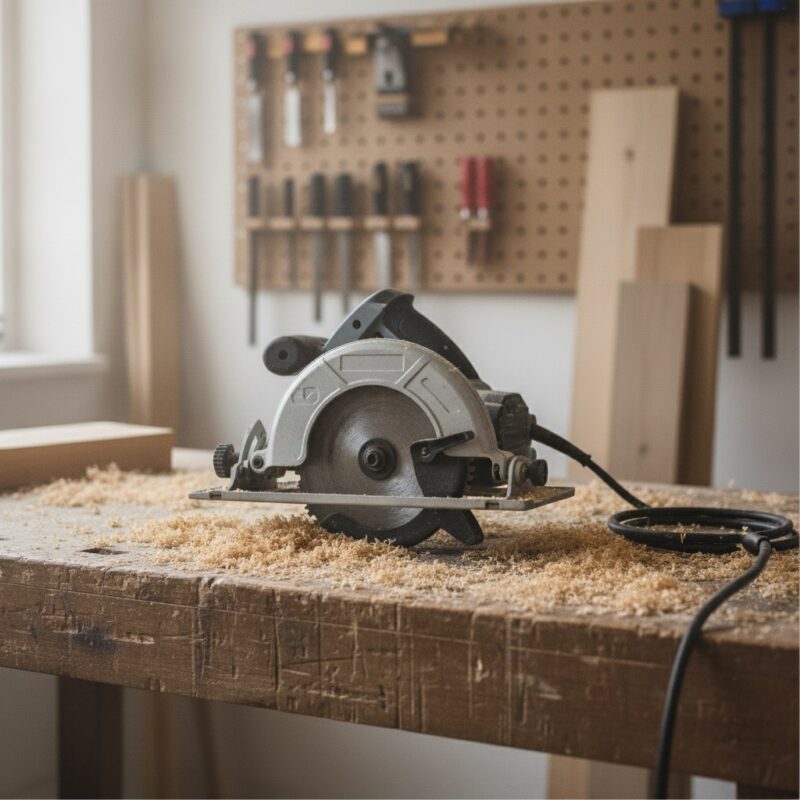
A UK decibel chart for common power tools and machines, showing each level in dB(A), how long it takes to reach the 85 dB(A) daily dose on the 3 dB exchange rate, and the HSE protection band that fits.

05
Jan
Jan
Foam, reusable silicone, banded, custom-moulded and electronic earplugs compared by SNR, comfort over a shift, PPE compatibility and hygiene, against UK noise law and HSE guidance.