 Sleeping
 Concerts
 Motorcycle
 Swimming
 Work
 Kids

 On stage
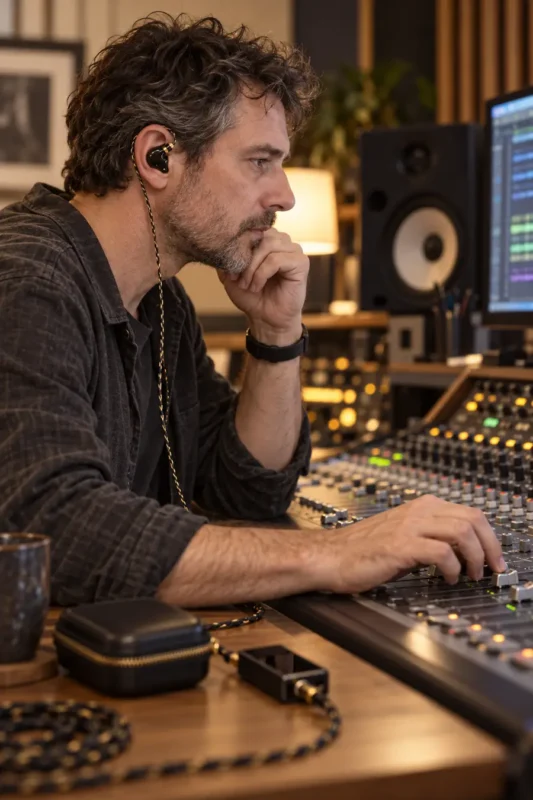 In the studio
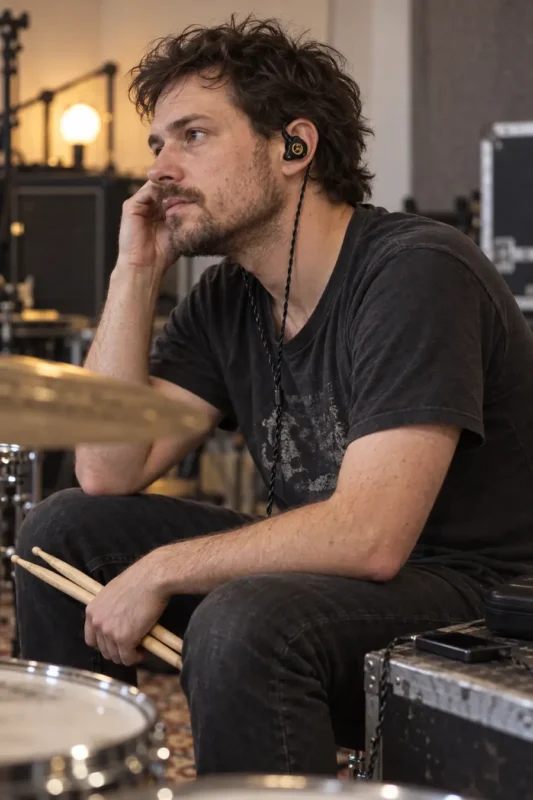 Rehearsals
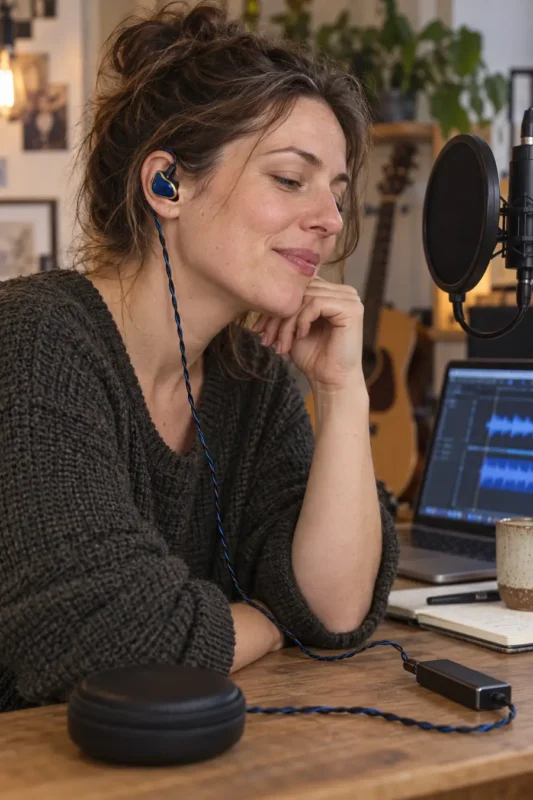 Writing music
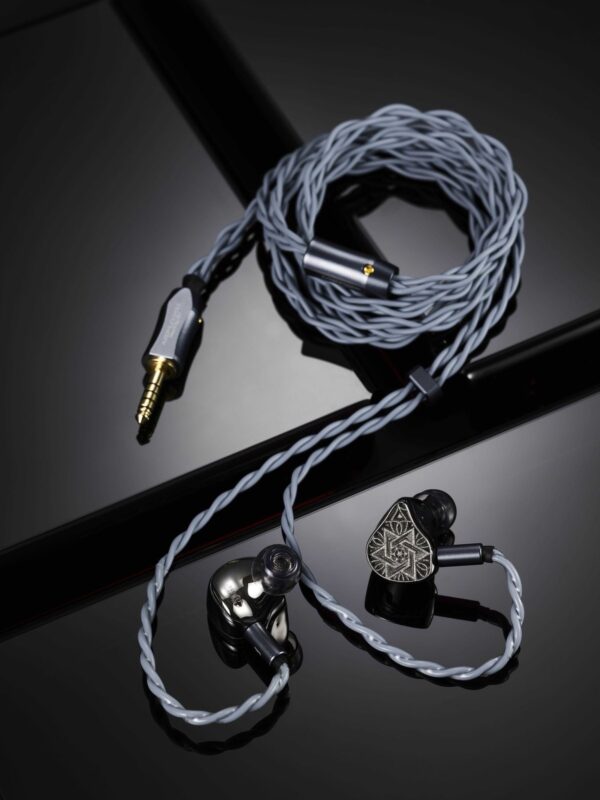 Mixing at home
 Daily commute
 Long journeys
 Listening at home
⏱️ Estimated reading time: 11 min
On this page: Overview
Key Takeaways
No, not for most adults. Nightly use is generally considered safe as long as the mask sits snugly without pressing on your eyes and you wash it regularly. If it leaves marks, a headache or blurry vision in the morning, loosen the strap.
A mask that fits properly is unlikely to. A tight one presses on the eyes and can leave your vision blurred for a short while after waking, which usually clears once you loosen it. If blurred vision lasts longer than 24 hours, see an optometrist.
Never put a sleep mask on a baby or a toddler, because anything that can cover a baby’s face and head is a suffocation risk. Older children can wear one now and then, on a flight or a long car journey, with an adult nearby, but not all night every night.
Yes. The College of Optometrists advises removing contact lenses before you go to bed, because sleeping in them raises the risk of eye infection. A mask does not change that, so take your lenses out first unless your optometrist has told you otherwise.
About once a week for a silk mask, and sooner after a sweaty night, night cream or make-up. A mask sits against your face for 7 to 8 hours a night. Never share one, and wash it if anyone at home has an eye infection.
Are sleep masks safe enough to wear every single night? For most adults, yes. A sleep mask is a piece of fabric and a strap. When people do run into trouble, it is nearly always the strap pulled too tight, a mask that hasn’t been washed for a while, or the wrong person wearing it.
People who wake with fuzzy vision tend to describe it the same way online. Their eyes “got squished” overnight. That’s a fit problem rather than an eye problem, and loosening the strap usually sorts it.
At Bollsen, we are a family-owned hearing protection company trusted by 1,000,000+ people, and we make a silk sleep mask as well as earplugs. Below we cover pressure, hygiene, contact lenses and children, and the signs that mean it’s time to see an optometrist or GP.
Is it safe to wear a sleep mask every night?
Wearing a sleep mask every night is generally safe for adults when it is correctly fitted, according to an optometrist-reviewed guide from All About Vision. The mask should stay on without pressing on your eyes, and it should be washed regularly.
The NHS sees a mask as an ordinary part of a sleep-friendly bedroom. Its advice is to keep the room dark and quiet, using “curtains, blinds, an eye mask or ear plugs if needed”. Nightly use is normal, then. The fit, how clean the mask is and who wears it matter far more than how often.
 Music SoundPRO★ 4.8 · 514 reviews
 Watersafe+★ 4.8 · 684 reviews
 Life+★ 4.7 · 3,700 reviewsLife+★ 4.7 · 3,700 reviewsMusic SoundPRO★ 4.8 · 514 reviewsWatersafe+★ 4.8 · 684 reviewsLife+★ 4.7 · 3,700 reviews
Can a sleep mask damage your eyes?
A well-fitting sleep mask is unlikely to harm your eyes, but steady pressure from a tight mask can leave your vision blurred when you wake up, and a mask that is too small can bring on blurry vision or a headache the next day. In most cases this settles once the strap is loosened or the mask fits better.
The useful line to remember is 24 hours. All About Vision says blurred vision that lasts longer than that should be examined by an eye doctor. A few minutes of soft focus after you take the mask off is a hint to loosen it. Blur that is still there the next day is a reason to book an appointment.
If you have glaucoma or have had recent eye surgery, ask your optometrist before you start wearing a mask. And if you wear other equipment on your face at night, check the strap doesn’t press on it.
How tight should a sleep mask strap be?
A sleep mask strap should be snug enough to keep the mask in place when you turn over and loose enough that nothing presses on your eyeballs. If you can feel the fabric pushing on your closed eyelids, it is too tight.
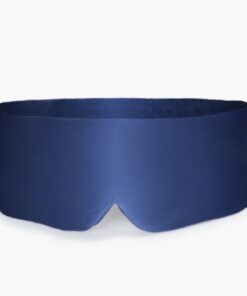
That is easier to get right with a strap you can adjust than with a plain elastic band. Our Deep Sleep Mask’s adjustable Velcro strap lets you choose how firm the fit is, and it won’t degrade or pull your hair. Our guide on how to wear a sleep mask covers fit and keeping it on through the night.
| Sign | What it usually means | What to do |
|---|---|---|
| Red marks on your face or forehead | The strap is pulled too tight | Loosen it a little and check the mask still stays on |
| A dull headache in the morning | The mask is too tight or too small | Loosen the strap or choose a mask that fits |
| Blurry vision for a few minutes after waking | The mask is pressing on your eyes | Loosen the strap and reposition the mask so it doesn’t press on the eyelids |
| Blurred vision lasting more than 24 hours | Something needs checking | See an optometrist |
| Sore, itchy or sticky eyes | Possible irritation or an eye infection | Stop wearing the mask, wash it and ask a pharmacist |
| Eye pain, sensitivity to light, changes in vision or very red eyes | Needs urgent attention | Get an urgent GP appointment or call NHS 111 |
How often should you wash a sleep mask?
Wash a silk sleep mask about once a week, and sooner after a sweaty night, night cream or make-up, because skin oils and skincare build up on fabric that sits against your face for 7 to 8 hours a night. All About Vision notes that a dirty mask over the eyes every night can contribute to an eye infection.
Don’t share your mask. The NHS advice on conjunctivitis is not to share towels and pillows, and a mask belongs in the same category. Wash it if anyone in the house has an eye infection, and stop wearing contact lenses until sore eyes have cleared.
The Deep Sleep Mask is washable at 30 °C, and the silk is listed on our product page as “hypoallergenic”. That describes the material, not what it does for your eyes. Washing keeps any mask fresh, and our guide on how to wash a silk sleep mask walks through the steps.
Should you take out contact lenses before wearing a sleep mask?
Yes. The College of Optometrists advises that you remove your contact lenses before you go to bed, because sleeping in them increases the risk of eye infections, including corneal ulcers. A mask over the top doesn’t make sleeping in lenses any safer.
The only exception is if your optometrist has specifically told you otherwise, as the College’s Look After Your Eyes guidance on contact lenses explains. Take the lenses out, then put the mask on. If your eyes are sore or red, leave the lenses out until they feel normal again.
Can children wear sleep masks?
Sleep masks are not suitable for babies or toddlers. The NHS guidance on sudden infant death syndrome (SIDS) is to keep a baby’s cot clear of anything that could cover their face and head, and All About Vision says masks are not recommended for infants because they pose a suffocation risk.
Older children can use a mask occasionally, on a flight or a long car journey for example, but All About Vision advises against wearing one all night, every night. Our Deep Sleep Mask comes in one adult size, so it isn’t made for children. We don’t give an age at which a mask becomes fine, because none of the guidance we cite sets one.
If noise is what keeps a child awake on a trip, earplugs are a separate question with their own guidance. Our hub on earplugs for kids covers sizing and safe use for children.
Is it safe to wear a sleep mask with earplugs?
Yes. A sleep mask and earplugs are two separate passive items, one for light and one for sound, and wearing them together raises no extra eye-safety issue. This page deals with the eye side only. For the ear side, our guide answering is it safe to sleep with earplugs covers fit and care.
If you want both in one order, the Deep Sleep Duo pairs the silk mask with our Life+ earplugs, which are reusable, made from hypoallergenic silicone and rated SNR 24 dB. Bluetooth masks with built-in speakers are a different product, covered in our guide to a sleep mask with headphones.
When should you see an optometrist or GP?
See an optometrist if blurred vision lasts more than 24 hours, and get urgent help for eye pain, sensitivity to light, changes in your vision or very red eyes. For sore or sticky eyes, a pharmacist is a good first stop.
When to stop wearing the mask and get advice
Optometrist: blurred vision that lasts more than 24 hours after taking the mask off (All About Vision), or before you start if you have glaucoma or have had recent eye surgery. High-street opticians in the UK have optometrists who can examine your eyes.
Pharmacist: sore, itchy or sticky eyes. Stop wearing the mask and your contact lenses, and wash the mask before you use it again.
Urgent GP appointment or NHS 111: pain in your eyes, sensitivity to light, changes in your vision such as wavy lines or flashing, or very red eyes, as listed in the NHS conjunctivitis guidance.
GP: trouble sleeping that has lasted months, or that hasn’t improved after changing your sleep habits, as the NHS advice on insomnia explains. A mask makes a bedroom darker. It is not a substitute for that conversation.
The checklist is short. Set the strap so nothing presses on your eyes, wash the mask weekly, take your lenses out first and keep masks away from babies. If you are still weighing up whether one is worth trying at all, our answer to do sleep masks work looks at what darkness can and can’t do for sleep.