 Sleeping
 Concerts
 Motorcycle
 Swimming
 Work
 Kids

 On stage
 In the studio
 Rehearsals
 Writing music
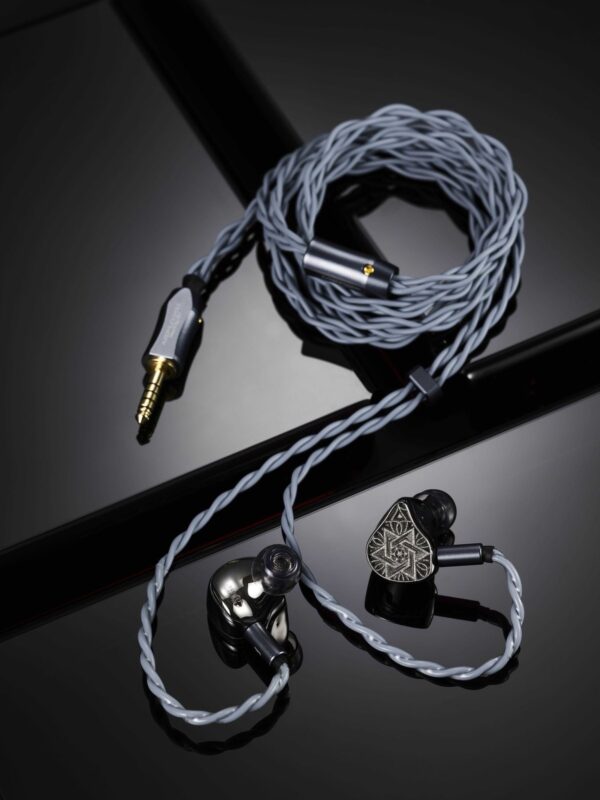 Mixing at home
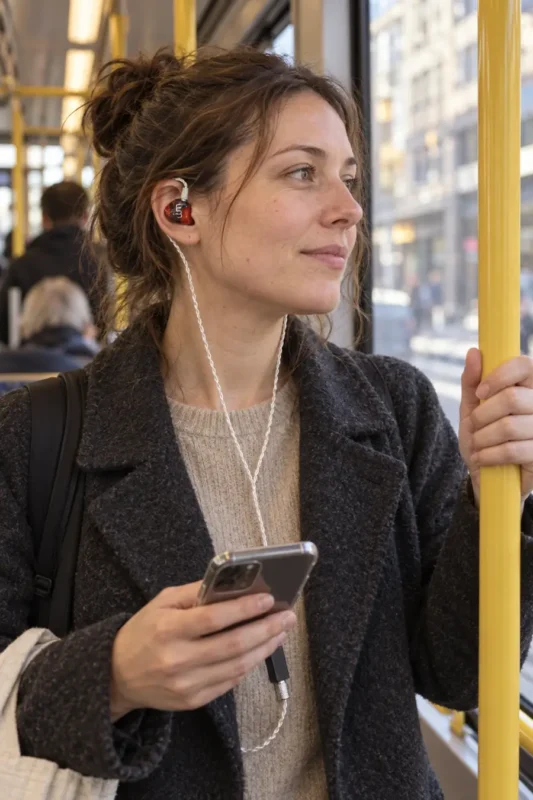 Daily commute
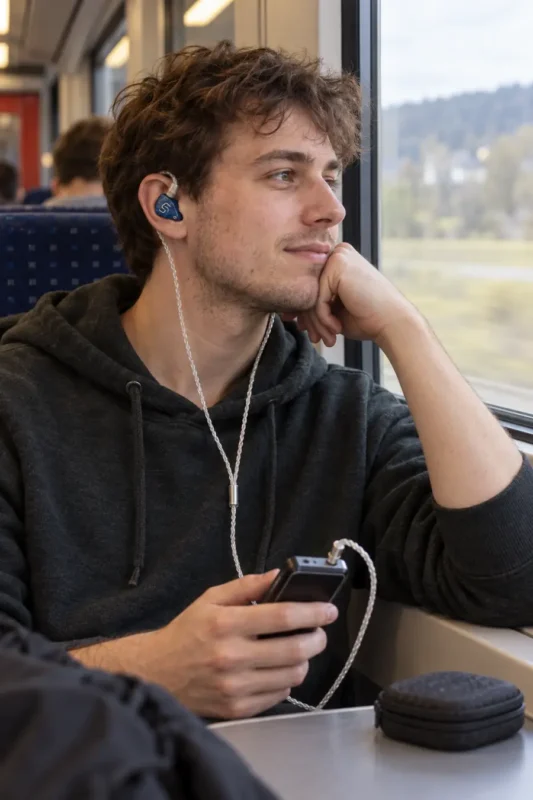 Long journeys
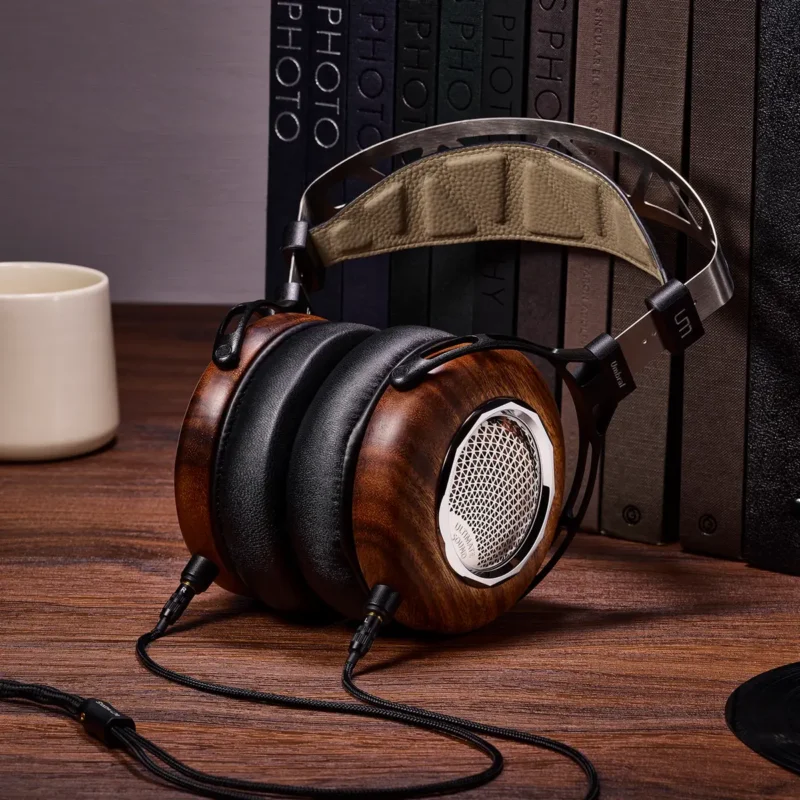 Listening at home

Most of the noise that puts a child’s hearing at risk is ordinary: a fireworks display, a football match, a gig, a long flight. This page is the starting point for every Bollsen guide on protecting children’s ears. Pick your child’s age and situation below. If you already want to compare products, go straight to our buyer guide to children’s ear plugs, which matches each option to an age and a situation.
Which hearing protection suits your child’s age?
Age decides the format more than anything else.
Under 3 years
Over-ear earmuffs only. Earplugs are not suitable for babies and toddlers. Choose a pair of infant-sized over-ear earmuffs that fits snugly without pressing. Ear protection for babies →
3 to 6 years
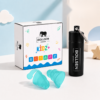
Child-sized earplugs, fitted by a parent. Soft silicone earplugs made for small ear canals, such as Kidz+, can be used from age 3. A parent inserts and removes them until about age 6. How to get kids to wear earplugs →
6 to 12 years
Growing independence. Most children can learn to fit and remove their own earplugs, with a quick check from an adult. Kidz+ is sized for ages 3 to 12.
Still deciding between the two formats? Our earmuffs vs earplugs for kids comparison sets them side by side by age, noise level and activity, and our guide to whether earplugs are safe for kids covers age limits, fit and supervision in detail.

How loud is too loud for a child?
The World Health Organization recommends a lower noise limit for children than for adults: 75 dB averaged over time, compared with 80 dB for adults, and no single peak above 120 dB. A fireworks display, a concert or a stadium can pass those levels quickly. The guides below explain the numbers, what noise does to young ears, and which signs to watch for. If you are worried about your child’s hearing, ask your GP or health visitor about a hearing test.
What situation is your child in?
Each guide gives the specific answer for one situation.
Can children wear earplugs for swimming?
Yes, from age 3. Kidz+ is water-repellent and helps keep water out of the ear canal while your child swims or bathes. It is not a waterproof seal, so it is not a guarantee that the ear stays dry. If your child has grommets (ear tubes), a perforated eardrum or recurring ear infections, ask your child’s ENT specialist or GP whether they should keep their ears dry and what to use.
What about autism and sensory differences?
Some autistic children, and some children with sensory processing differences, find everyday noise overwhelming. Some families use earplugs or earmuffs to make loud places more manageable. Bollsen products are not medical devices and are not a treatment for autism or any sensory condition. For advice about your child, speak to your GP or see the NHS guidance on autism.
Where does Kidz+ fit?
Kidz+ is our earplug for children aged 3 to 12. It is a smaller, soft earplug in hypoallergenic silicone, rated SNR 24 dB and tested in a German laboratory to EN 352-2. Like every passive earplug, it reduces high-pitched sound a little more than low-pitched sound, so your child still hears a raised voice or an alarm, just quieter, because those sounds are loud enough. It is reusable up to 100 times and costs £29.95.
Be clear about what it is not. It is not for children under 3. It is water-repellent, not waterproof. It lowers cabin noise on a flight but does not deal with ear pressure on take-off and landing. And it is not a medical device. To compare Kidz+ with earmuffs and other options, see our buyer guide to children’s ear plugs.
What customers told us
Mother of an eight-year-old with recurring ear pain during swimming, causing him to leave three consecutive summer camps early, including one cut short by four days. Used Bollsen Kidz+ from day one of an 18-day swim camp. Completed the full camp for the first time, finishing every session and earning his 10-metre badge.
Sarah M.ParentPrimary school teacher whose class of 28 pupils struggled to complete homework due to chaotic home environments with sibling noise, TV, and road traffic. Ran a six-week pilot using Bollsen Kidz+ across the class. Homework completion rates improved noticeably within the pilot period, with parents independently messaging to ask what had changed. Now recommends Kidz+ to all new parents at the start of each term.
Claire B.Year 5 teacher