
⏱️ Estimated reading time: 7 min
Key takeaways
Snoring happens when airways get partly blocked, causing throat tissues to vibrate. It can be due to relaxed throat muscles, nasal congestion, allergies, or habits like drinking alcohol or smoking.
Snoring breaks your natural sleep cycle, leading to tiredness, bad moods, and restless nights. Over time, it can cause fatigue, irritability, and even relationship stress.
Yes. Long-term snoring can raise the risk of high blood pressure, heart disease, and daytime fatigue. It also affects mental health by increasing stress and lowering focus.
Use earplugs to reduce noise, play white or pink noise for calm, and try side-sleeping to open airways. Relaxation exercises or guided meditation can also help you ignore snoring.
If snoring is loud, constant, or linked to breathing pauses, see a sleep specialist. They can test for sleep apnea and suggest treatments like CPAP machines or oral devices.
Why Do People Snore and Why Does It Keep You Awake?
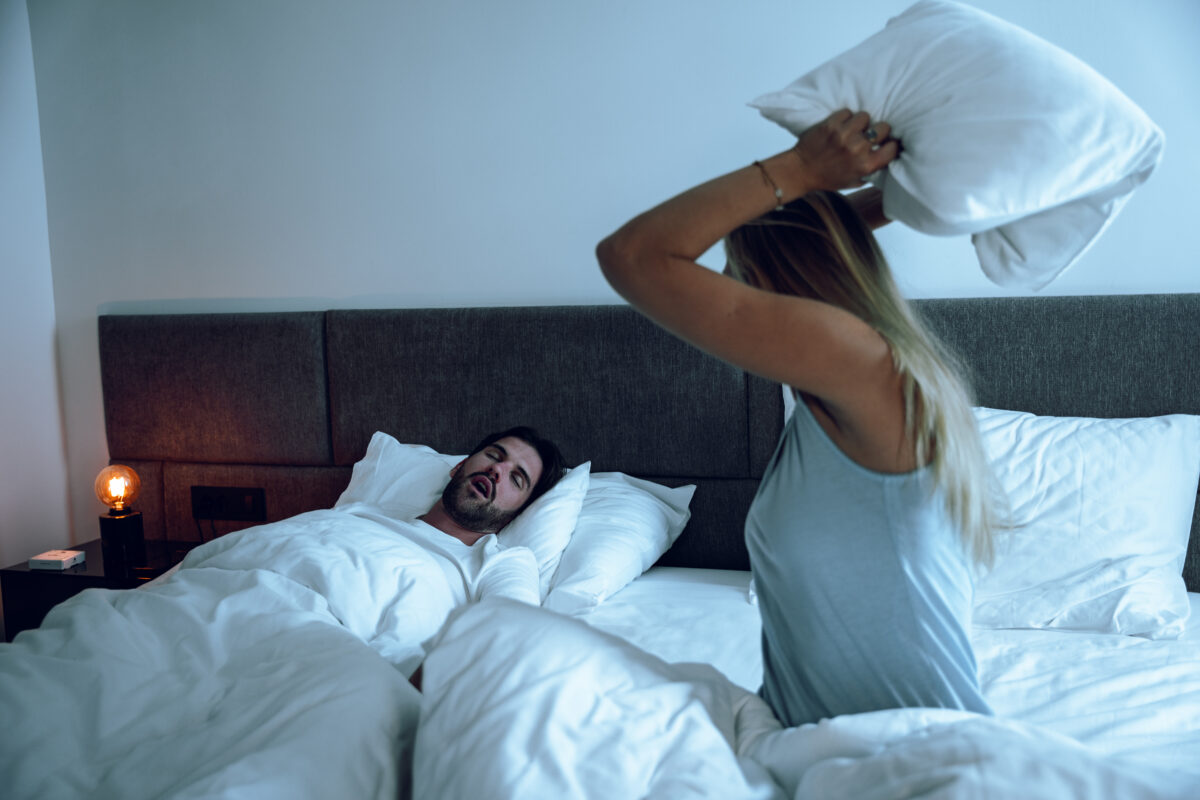
Snoring happens when your airways get partly blocked, making the soft parts of your throat vibrate and create that loud noise that can keep everyone up. It’s not just annoying it’s a sign that your breathing system isn’t working as smoothly as it should. When someone snores, their partner often can’t sleep well either. This broken sleep cycle can cause tiredness, bad moods, and even arguments. Experts like Healthline and the NHS say that loud or frequent snoring can sometimes mean a person has obstructive sleep apnea (OSA), a condition where breathing stops and starts during sleep. The main reasons people snore include:- Muscles in the throat relaxing too much during deep sleep
- Sleeping on the back, which makes it harder to breathe
- Stuffy nose, allergies, or a crooked nose bridge
- Habits like drinking alcohol, smoking, or gaining weight
How Does Snoring Affect Your Health, Mood, and Relationship?
Snoring doesn’t just steal your sleep it can steal your energy, your focus, and even your peace at home. When the constant rumble of snoring breaks your sleep cycle, it stops your body from getting the deep rest it needs to stay healthy and calm. Poor sleep from snoring is linked to problems like high blood pressure, heart disease, and daytime fatigue. It can also affect your mood, making you feel more irritable, stressed, or anxious. Over time, these changes can lead to arguments, less patience, and strain in your relationship. Treating the causes, like nasal congestion, weight gain, or sleep apnea can improve both your health and your connection with your partner. Getting better rest means more energy, a clearer mind, and a happier home.What Actually Helps You Sleep Beside a Snoring Partner?
Snoring can turn bedtime into a battle, but there are proven ways to bring peace back to your nights. These simple, science-backed solutions can help you rest easier and protect your relationship.Use High-Quality Earplugs
Earplugs for sleeping can reduce any kind of noise noise by up to 25–30 dB, making them one of the easiest and most effective fixes. Choose foam, silicone, or wax earplugs for comfort, fit, and easy cleaning. Keeping them clean helps prevent ear irritation and ensures long-lasting use. If you choose the comfortable material and clean the earplugs regularly, than they should be one of the biggest assets that will help you muffle your snoring partner.Mask the Noise with White or Pink Noise
Not all noise is the same, while some noise prevents quality sleep, other can significantly help to improve it. A white-noise machine or app generates a steady, calming sound that masks the unpredictable rhythm of snoring. This steady background noise trains your brain to ignore snores, helping you fall asleep faster and stay asleep longer.Change Sleeping Position
Positional therapy encourages side-sleeping, which helps keep airways open and reduces snoring. Try a supportive pillow or a sleep-position trainer that keeps you from rolling onto your back. Even a tennis ball sewn into the back of a shirt can help!Try Relaxation or Mind-Distraction Techniques
Mindfulness and guided meditation can help you ignore external noise and ease anxiety about not sleeping. Listening to a relaxing podcast, using deep-breathing exercises, or doing gentle stretches before bed can calm your mind and make it easier to rest.Communicate and Seek Medical Help if Needed
Open communication with your partner can address the root cause of snoring and keep both of you on the same team. If a partner is severe snorer or linked to sleep apnea, seeing a sleep specialist can lead to professional treatments like CPAP therapy, oral appliances, or even lifestyle adjustments that improve sleep for both of you.

Hearing Protection


Hearing Protection


Hearing Protection
Earplugs for Sleeping Life+ Pink Edition | Special Edition by BOLLSEN


Hearing protection With Measurement
Pingback: Can Snoring Damage Your Hearing?