
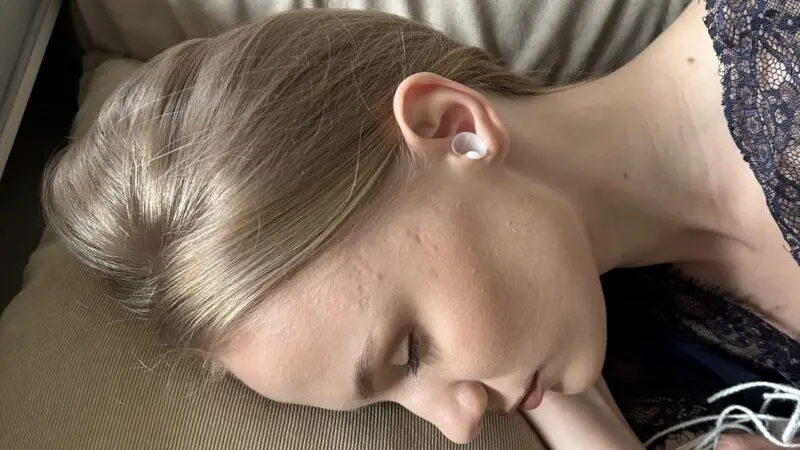
 Sleeping
 Concerts
 Motorcycle
 Swimming
 Work
Work Kids
Kids

Earplugs for Work: Hearing Protection for Different Professions
Noise at work is not always loud, sudden, or obvious.
For many professio1
-
Task-specific, not random
-
Frequently combined with cognitive load, communication, and concentration
A dentist, a teacher, and a plumber may all experience “noise”, but:
-
the frequencies
-
the intensity patterns
-
and the need for speech clarity
are completely different.
This is why hearing protection for work should be profession-specific, not one-size-fits-all.
How earplugs protect hearing at work
Modern earplugs are not just about blocking sound.
Depending on design and filters, they can:
-
Reduce harmful sound pressure
-
Smooth sharp or piercing frequencies
-
Lower background noise while preserving speech
-
Reduce listening fatigue during long shifts
The goal is protection without isolation especially in professions where communication and awareness are critical.
Choosing the right earplugs for your job
When selecting earplugs for work or profession, consider:
-
Noise type: continuous, sudden, high-frequency, or low-frequency
-
Duration: short tasks vs. full-day wear
-
Communication needs: speech clarity, awareness, teamwork
-
Comfort: pressure, fit, and long-term wearability
The best earplugs are the ones you can actually wear consistently without discomfort or disruption to your work.
Earplugs for specific professions
Construction, trades & industrial work
(physically active jobs with tools, machinery, or impact noise)
Logistics, transport & mechanical work
(mixed environments, engines, alarms, safety awareness)
Healthcare & animal care
(close-range sound, high cognitive load, communication-critical)
Education, office & people-focused work
(continuous background noise, speech, mental fatigue)
Wellness & sound-sensitive professions
(sound awareness, calm environments)